





Australian household spending bounced back in September, rising 0.6 per cent to A$82.6 billion, according to new official figures that came in well ahead of expectations.
The Australian Bureau of Statistics’ monthly household spending indicator rose after a 0.1 per cent fall in August. Analysts had looked for a rise of only around 0.2 per cent, so the September result was roughly three times the expected gain.
Higher petrol prices played a central role. As fuel costs climbed, they ate up a larger share of household budgets, pushing up the total amount spent even before any increase in the quantity of goods and services bought. Air travel also received a boost from major sporting events during the month, adding to the headline rise.
Over the year, spending growth remained robust at 6.8 per cent. In real terms, after adjusting for price changes, spending rose 0.7 per cent in the third quarter as a whole, led by air travel.
The resilience is notable given the pressure on household finances. Borrowing costs have risen sharply through 2026, and on Tuesday the Reserve Bank of Australia lifted its cash rate to 4.85 per cent, its highest level since 2008, after inflation proved hotter than expected. The September spending figures predate that decision, so they do not yet show how households will respond to the latest rise.
That timing matters for how the figures should be read. A spending total lifted in part by petrol prices is not the same as a broad surge in discretionary buying, and one strong month does not by itself settle whether consumers are coping comfortably with higher rates or simply paying more for essentials. What the data do show is that, at least through September, household outlays had not buckled under the tightening already in place.
For the Reserve Bank, the picture is therefore mixed. Stronger spending supports economic activity, but if it persists alongside elevated inflation it could reinforce the case for keeping policy tight for longer. The bank’s next decision is scheduled for 8 December, and officials will have further spending and inflation data by then to judge whether September’s bounce was a blip or the start of a stronger trend.
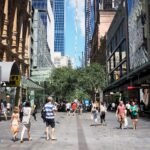
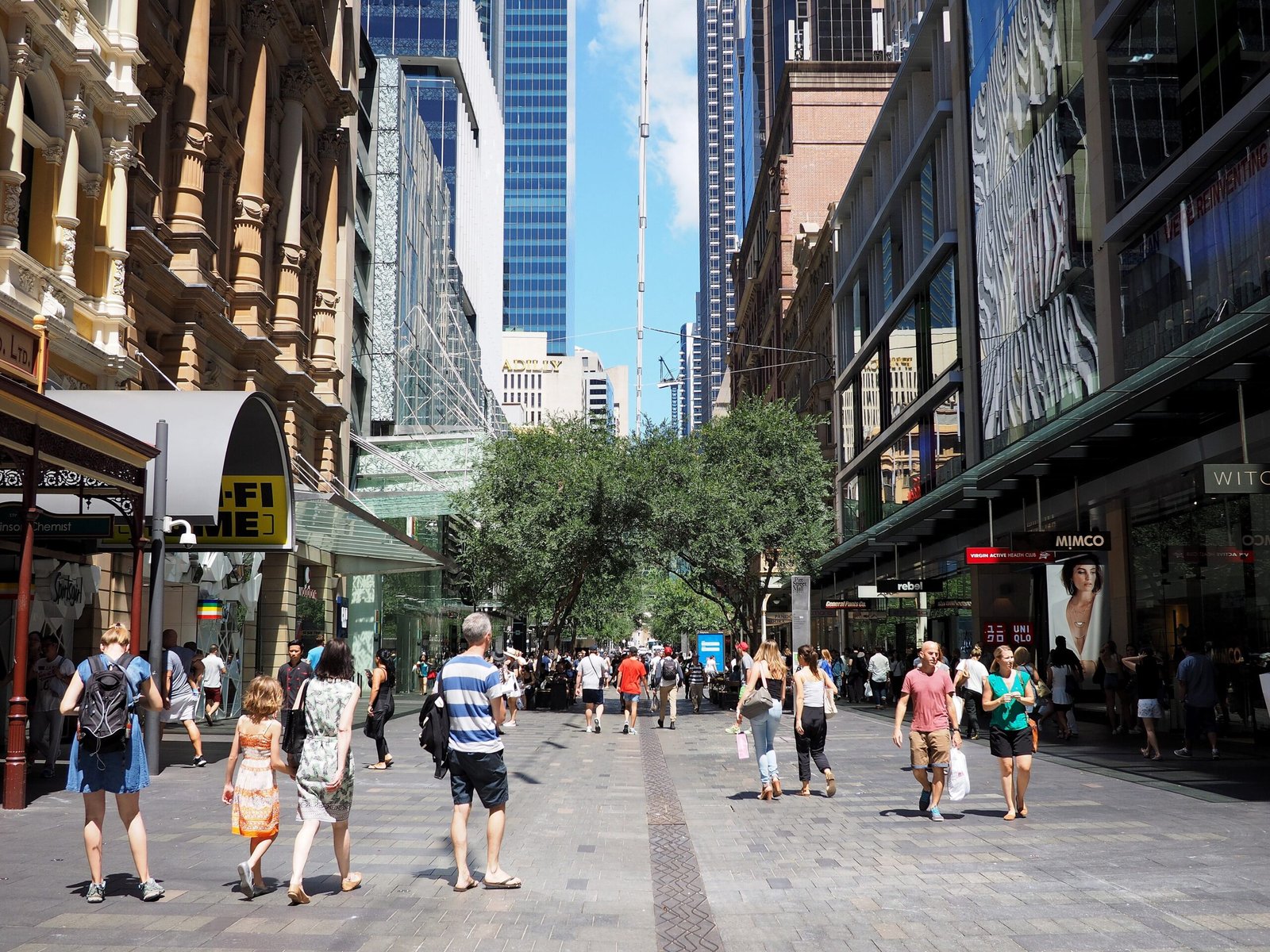
Note: the featured image is a file photo of Pitt Street Mall in Sydney, taken in February 2016, not a photograph from September 2026.
Sources: Reuters, “Australia September household spending rises 0.6%”, 4 November 2026, https://www.reuters.com/world/asia-pacific/australia-september-household-spending-rises-06-2026-11-04/