







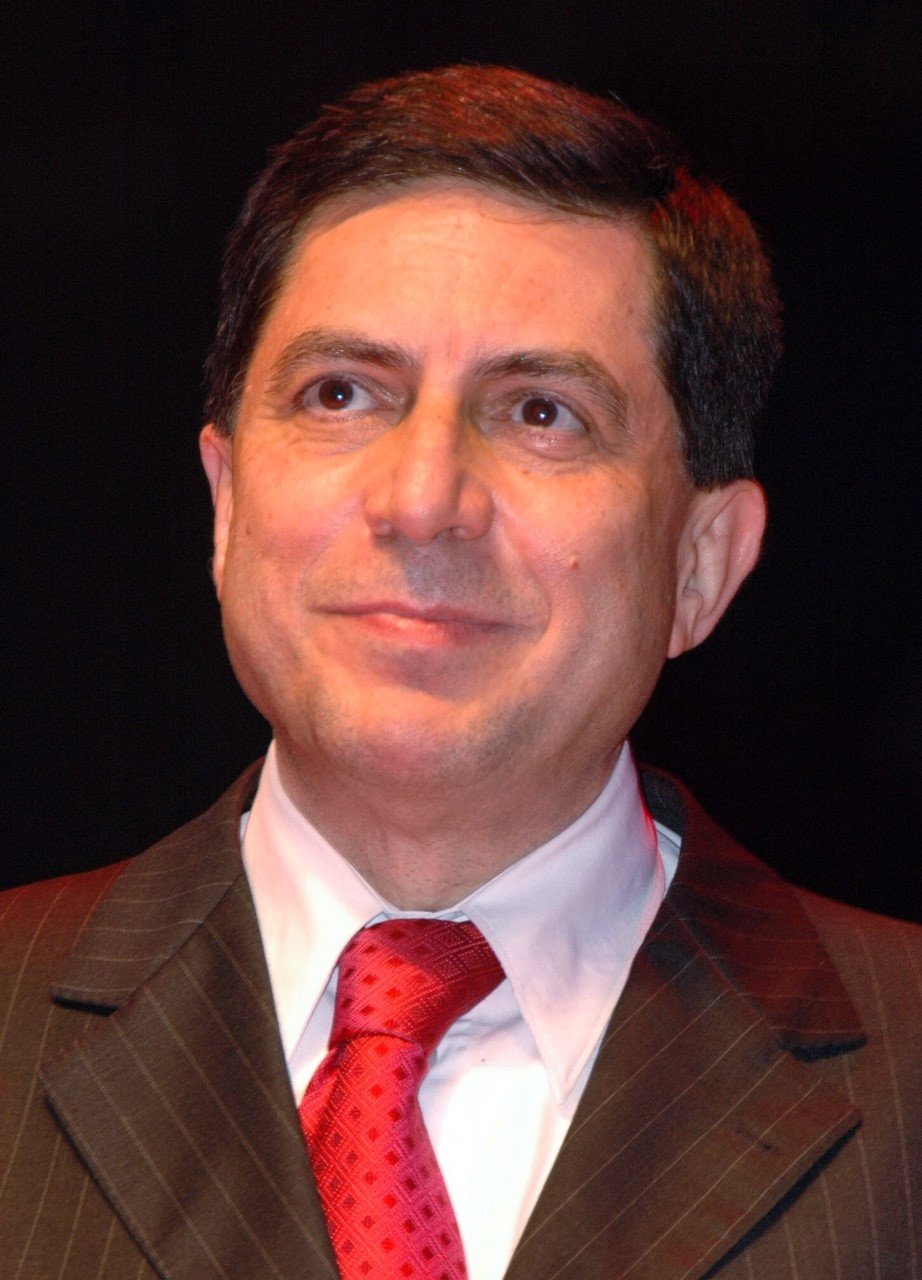
Brazilian markets rallied sharply on Friday after President Luiz Inácio Lula da Silva chose Luiz Carlos Trabuco, the chairman of Bradesco, to be his next finance minister, a pick investors read as a signal of a more market-friendly approach in Lula’s fourth term.
Trabuco, 75, accepted Lula’s invitation on Thursday afternoon after travelling to Brasília to meet the president, with whom he has shared a close relationship for years. Bradesco is Brazil’s second-largest private lender and its fourth-largest bank by assets.
The real strengthened as much as 4.7% to 5.47 per US dollar in spot trading before paring some of its gains to trade at 5.55, while the benchmark Bovespa stock index jumped as much as 3.9%. Interest rate futures fell sharply and international bonds rallied, with longer-dated maturities adding around 2 cents on the dollar and broadly clawing back all the losses they had suffered since Lula’s re-election.
Brazil’s financial markets have deteriorated since Lula beat right-wing rival Flávio Bolsonaro in October’s presidential election, pushing the leftist leader to court a more market-friendly figure to head the finance ministry and ease investor fears. Markets had already responded positively when rumours of Lula’s interest in Trabuco began circulating earlier in the week: on Thursday, even before the government confirmed the nomination, the Bovespa closed 6% higher and the real strengthened 1.2% on reports that the two men were meeting.
“Given his strong reputation within the financial community and longstanding experience in the banking sector, the appointment could be interpreted as a signal of a somewhat more market-friendly approach,” analysts at Citi said.
Other names initially considered for the finance ministry were Vice President Geraldo Alckmin, who reportedly told allies he would like the post, and Rafael Fonteles, the re-elected governor of Piauí state. Lula has instead tapped Alckmin to head a new Public Security Ministry, according to sources familiar with the matter.
Trabuco’s most urgent job as minister will be to convince investors he can slow the rise in public debt, now near 83% of GDP and up about 11 percentage points since the start of Lula’s third term. Fiscal worries since Lula’s unexpected re-election, after he campaigned to boost social spending, have weakened the real, while high official interest rates at 13.75% add to the pressure on the president to turn the fiscal situation around.
The government has announced fiscal measures targeting savings of 0.5% of GDP in 2027, but analysts argue further spending cuts are needed to stabilise debt and borrowing costs. “I believe Trabuco will focus on long-term fiscal sustainability, which means tackling some bitter issues, including further pension reform and revisiting indexation mechanisms,” said economist Roberto Troster, partner at consultancy Troster & Associados.
Trabuco joined Bradesco as a clerk at 17 and spent more than four decades rising through its ranks before being appointed chief executive in 2009, a position he held until 2018. His tenure at the helm was marked by the acquisition of HSBC’s Brazilian operations in 2015. Treasury Secretary Daniel Leal said on Friday that Trabuco is expected to have a say in discussions over additional fiscal measures currently under consideration.
Sources: Reuters, “Brazilian markets rally after Lula taps Bradesco chairman for finance chief”, https://www.reuters.com/world/americas/brazilian-markets-rally-after-lula-taps-bradesco-chairman-finance-chief-2026-11-27/