






Britain has put a second military satellite into orbit, giving the Armed Forces what the Ministry of Defence calls a new pair of eyes in space.
Titania, a British-built spacecraft weighing about 100 kilograms, was launched last month and is now circling the Earth every ninety minutes at around 27,000 kilometres per hour. It will be operated by UK Space Command as part of the ISTARI programme, which is building a constellation of satellites for military intelligence, surveillance and reconnaissance.
Titania follows Tyche, the first satellite in the constellation, which launched in October. Together they are intended to improve the Armed Forces’ ability to observe military activity on Earth from space and to coordinate operations on the ground and above it.
The satellite was designed and built in Hampshire by the Defence Science and Technology Laboratory and BAE Systems under a £9.5 million contract. Two more satellites are to follow: Juno, being built with Surrey Satellite Technology, and Oberon, with Airbus Defence and Space.
The announcement also launched Project Inaros, a trial of advanced ground sensors designed to watch for threats to British satellites. Three neuromorphic sensors, developed by British-Australian company Optera, will be placed at sites in the UK, Australia and Cyprus. The technology mimics biological processes by detecting changes in light, and could act as an early warning system for unusual or threatening activity near UK satellites.
Defence Secretary Wes Streeting said space underpinned everything from weather forecasts and financial transactions to sat-navs and mobile phone connections. “Having Titania now in orbit and Project Inaros stepping up how we watch over our satellites means we can see threats sooner, making the UK safer,” he said.
Air Chief Marshal Sir Harv Smyth, Chief of the Air Staff, said the ability to observe the Earth from space was critical to both national resilience and military advantage, and would be demonstrated by Tyche and Titania alongside Juno and Oberon in the years ahead.
The work is part of more than £3 billion of defence investment in space capabilities over the next four years, set out in the Defence Investment Plan, which the Ministry of Defence says has committed £298 billion of spending over the same period. The Strategic Defence Review identified space as increasingly vital to national security and daily life.
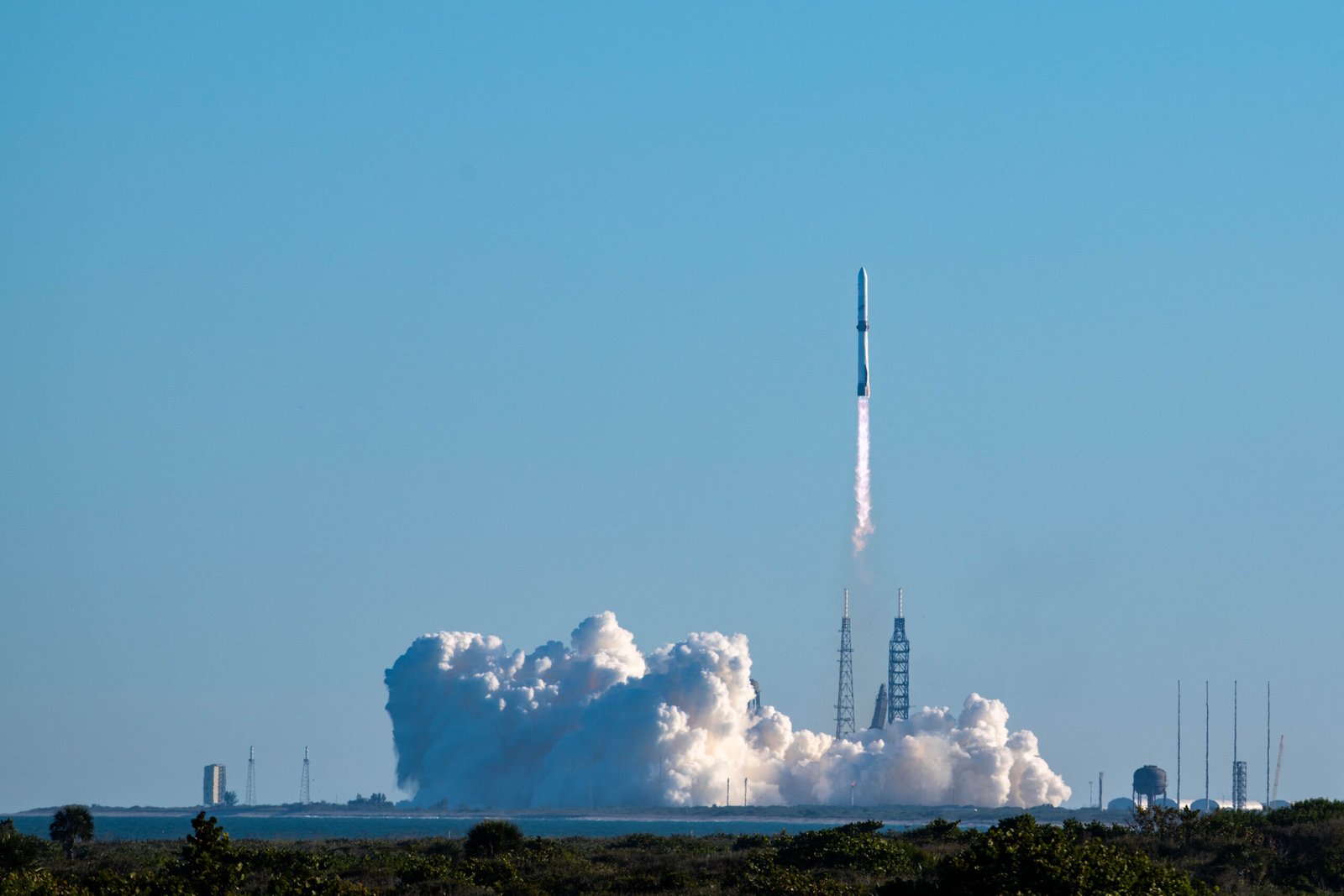
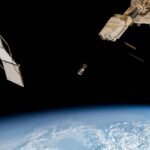
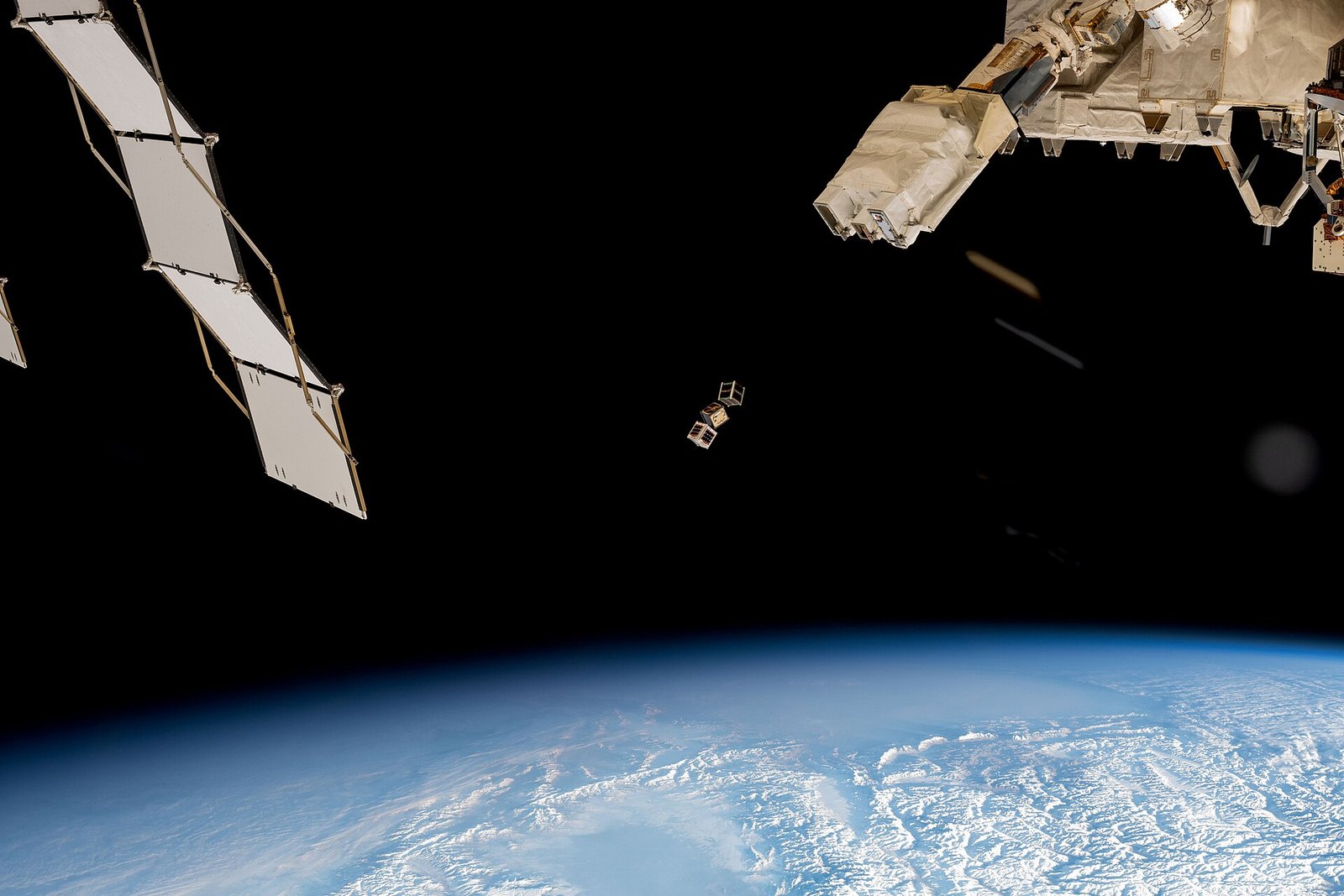
Note: The launch took place last month, according to the Ministry of Defence; satellite catalogues record it as 1 October 2026, launched from California aboard a SpaceX Falcon 9 rocket. The featured image is a file photo of small satellites being released into orbit, not of Titania itself.
Sources: UK Government (Ministry of Defence), “UK military satellite Titania launches into orbit following £3bn space investment into defence of space” (https://www.gov.uk/government/news/uk-military-satellite-titania-launches-into-orbit-following-3bn-space-investment-into-defence-of-space)