







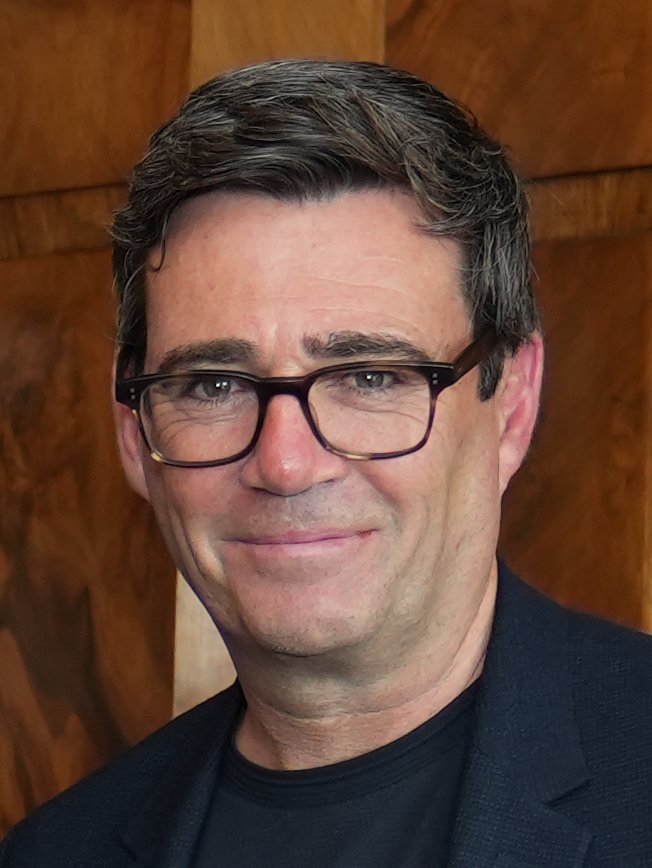
Prime Minister Andy Burnham has promised to work for a new food and farming deal with the European Union, saying it could bring down the cost of the weekly shop.
Speaking at the Welsh Labour conference on Saturday, Burnham said the government would be “willing to take difficult decisions to get the cost of living down” and that he would push hard for the agreement at the next UK-EU summit in Brussels on 20 November.
“It’s why, in a few days’ time, I will head to the next UK-EU summit and I will be working hard as we move towards it to get to a new deal on food and farming between the UK and the EU,” he told delegates.
The average UK household now spends about £119 a week on groceries, according to data from Confused.com, and food prices have become one of the most visible measures of the cost-of-living squeeze. Burnham accused the previous Conservative government of having “burned all of our bridges” with the EU after the 2016 referendum, and said closer cooperation could support exporters as well as shoppers.
The proposed agreement would align relevant British food safety and animal and plant health rules with EU standards. In return, many of the checks, certificates and paperwork imposed on food and agricultural products since Brexit would be removed, making trade easier for British farmers and food producers selling into Europe, and for European suppliers selling into Britain.
The government has previously said the wider package of agreements it hopes to secure at the summit, covering food and farming, emissions trading and a youth mobility scheme, could raise GDP by 0.4 per cent. Reports have put the potential trade benefit of the food and farming deal alone at £5.1 billion a year, though that figure has not been confirmed in a published government assessment, and the first changes would not be expected before 2028 at the earliest.
Whether shoppers would feel the benefit is not guaranteed. Any savings from lower trading costs would depend on businesses passing them on through prices, and food prices are also shaped by production costs, energy, transport and exchange rates. The deal itself is not yet agreed, and negotiations on its precise terms are still to come.
Burnham is due to meet European Commission President Ursula von der Leyen and European Council President António Costa in Brussels on 20 November. The summit is the second between the UK and the EU since the reset of relations, and the food and farming agreement is expected to be among its most significant items, alongside cooperation on emissions trading and a scheme allowing young people to live, work and study abroad.
Sources: LADBible, “Andy Burnham announces major Brexit plan that could make weekly food shop cheaper amid cost of living fears” (https://www.ladbible.com/money/andy-burnham-government-eu-money-cost-of-shopping-437591-20261115); The Fox Daily, “Andy Burnham Says UK Has Lost More Than Gained From Brexit” (https://thefoxdaily.com/world/andy-burnham-says-uk-has-lost-more-than-gained-from-brexit/28716/). Note: the £5.1 billion trade figure and the 2028 timing are as reported by other outlets and have not been confirmed in a published government assessment.