







The United States has moved to close the loophole that let Chinese companies rent access to America’s most powerful artificial intelligence chips from data centres abroad, issuing a new export rule on Monday that reaches far beyond physical shipments.
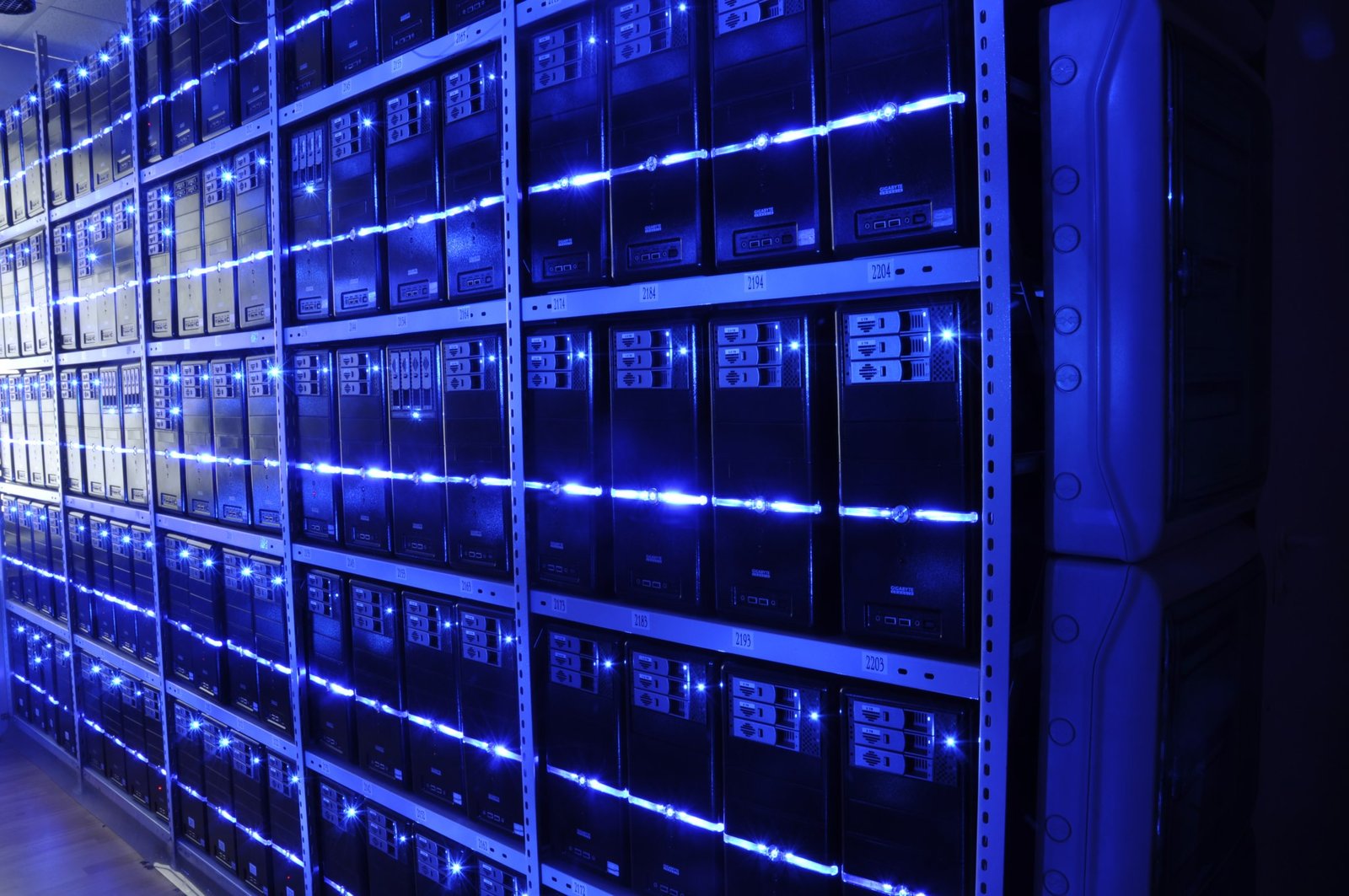
The Commerce Department’s Bureau of Industry and Security issued an interim final rule requiring a licence before advanced AI chips can be supplied to any data centre, anywhere in the world, that provides large amounts of computing power to companies headquartered in China, Macau or other restricted countries. The rule is designed, the department said, to ensure existing restrictions “cannot be circumvented through remote computing arrangements involving data centers in third countries”.
The trigger is scale. A licence is needed when a data centre supplies more than 12 million aggregate total processing performance — the export-control measure of computing power — to a firm headquartered in a Country Group D:5 country, or whose ultimate parent is. That group includes China, Russia, Iran and North Korea. The threshold works out at roughly 750 of Nvidia’s H100 chips, or about 330 of its newer Blackwell B200 chips.
The rule also covers indirect access through intermediaries and brokers, and requires exporters and data centre operators to carry out due diligence on their customers’ ownership structures and activities. Operators already providing that level of computing power to covered customers will have 90 days from the rule taking effect to obtain a licence. The one carve-out is computing used exclusively for commercial recommender systems, such as those that rank products or posts online.
Separately, the rule imposes a new licence requirement on exports of advanced semiconductors to five countries the department says present a higher-than-normal risk of diversion: Indonesia, Malaysia, Singapore, Thailand and Brazil. End users that are, or are owned by, US-headquartered companies are exempt from that requirement.
The rule also formally rescinds the Biden administration’s AI Diffusion Rule of January 2025, which would have sorted the world into tiers for chip access. That rule was never enforced, and the Trump administration announced in May that it would be discarded.
The timing is pointed. The rule was issued as President Donald Trump departed for an Asia trip that includes a meeting with Chinese President Xi Jinping in China, and it follows weeks of heightened scrutiny of semiconductor exports after an alleged espionage scandal involving Nvidia. The department said the rule was written at the direction of the Treasury Department and the National Security Council.
One detail remains to be confirmed: the rule takes effect when it is published in the Federal Register, and the version released on Monday left the publication and effective dates as placeholders. Comments will be due 60 days after publication.
Sources: Reuters, https://www.reuters.com/legal/litigation/us-issues-rule-protect-advanced-ai-chips-being-accessed-remotely-2026-11-16/ ; TechCrunch, https://techcrunch.com/2026/11/16/us-tightens-ai-chip-export-controls-to-deter-chinese-companies-from-accessing-compute-remotely/