









Democrats won the offices of attorney general in five states in Tuesday’s midterm elections, and the change of leadership could reshape a series of high-profile lawsuits on abortion, transgender rights, immigration and voting that outgoing Republican attorneys general have championed.
Democrats will take over in Georgia, Iowa, Ohio, Kansas and Texas, according to Reuters, with the new attorneys general due to take office in January. None of the changes has taken effect yet, and the attorneys general-elect have in most cases spoken only in general terms about reviewing inherited cases. But the scope of the litigation now in their hands is wide.
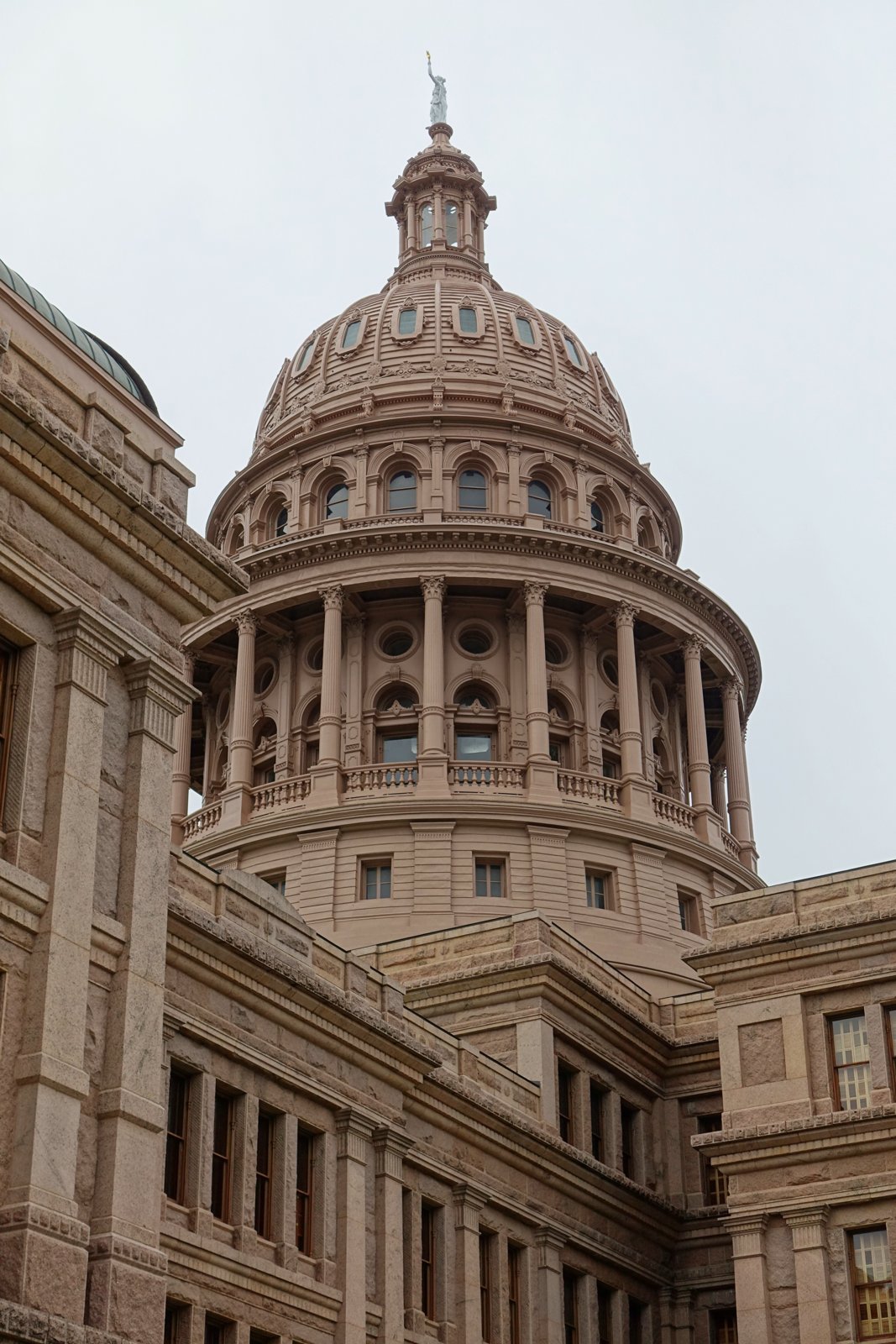
In Texas, Democrat Nathan Johnson will succeed Ken Paxton, one of the most litigious Republican attorneys general in the country. Johnson told Reuters he would assess the lawsuits Paxton’s office brought. “Everything will be examined,” he said.
Texas is among the states suing the US Food and Drug Administration over its approval of the abortion drug mifepristone, arguing the agency failed to properly evaluate the drug’s safety and effectiveness. If Texas withdrew, Florida — where Republican Attorney General James Uthmeier won a new term on Tuesday — would be the remaining plaintiff. In Kansas, Democrat Chris Mann, who narrowly defeated Republican Kris Kobach, could withdraw the state from a separate challenge to regulations that expanded access to mifepristone, which would leave Missouri and Idaho as plaintiffs.
Johnson could also decline to defend the state’s near-total abortion ban in a lawsuit brought by the family of Tierra Walker, a Texas woman who died from a pregnancy-related condition after doctors refused to perform an abortion. The state could likewise back away from at least three pending cases seeking to enforce a 2023 law banning gender-affirming treatments such as puberty blockers and hormone therapy for minors. In Georgia, Democrat Tanya Miller’s election could affect the state’s defence of HB 481, the 2019 law banning abortion after six weeks, with litigation continuing after the Georgia Supreme Court revived the law in 2024.
The new attorneys general could also revisit cases against drugmakers. Johnson may scrutinise Texas’s case against Kenvue, which alleges the Tylenol maker concealed purported links between acetaminophen use during pregnancy and autism and attention deficit hyperactivity disorder in children. Kenvue has denied any wrongdoing, and doctors and medical groups regard acetaminophen as the preferred treatment for pain and fever during pregnancy, with no firm scientific evidence of a link to autism or ADHD. Paxton also sued Pfizer in 2023, accusing it of misrepresenting the efficacy of its Covid-19 vaccine — a claim Pfizer has said has no merit — and Kobach brought a similar case in Kansas.
On the environment, Texas and 12 other Republican-led states are suing asset managers including BlackRock, accusing them of violating antitrust law through climate activism that reduced coal production and pushed up energy prices. Kansas is among the plaintiffs. BlackRock has denied any wrongdoing, and Vanguard settled claims against it in the lawsuit for $29.5 million in February.
On immigration, Johnson could drop Texas’s defence of SB4, the Republican-backed law allowing state authorities to arrest and prosecute people suspected of illegally crossing the US-Mexico border. The 5th US Circuit Court of Appeals allowed the law to take effect in April while a challenge proceeds. In Iowa, Democrat Nate Willems could decline to defend a state law allowing officials to arrest people in the US illegally if the Supreme Court agrees to hear the case.
Voting-rights litigation could also shift. Paxton’s office is appealing a Boston federal judge’s order halting its lawsuit against Democratic fundraising platform ActBlue, which a judge blocked in June after the platform argued the suit violated its free-speech rights. In Georgia, a federal judge on Thursday paused a fight over the state’s congressional maps, citing “impending changes” in the attorney general’s office.
At the US Supreme Court, the new Texas attorney general could revisit the state’s defence of a 2025 law requiring the Ten Commandments to be displayed in public school classrooms. Several Texas families, backed by the American Civil Liberties Union, have asked the justices to strike the law down. The Supreme Court has not decided whether to take up the case.
Sources: Reuters — “Democratic attorney general wins could reshape US lawsuits on abortion, immigration and more” (https://www.reuters.com/legal/litigation/democratic-attorney-general-wins-could-reshape-us-lawsuits-abortion-immigration-2026-11-08/)