








Hunger is set to worsen significantly in 16 places around the world over the next six months, with famine threatening parts of Africa, the United Nations’ food agencies warned on Friday.
The Food and Agriculture Organization (FAO) and the World Food Programme (WFP) said Sudan, South Sudan, Somalia, northern Nigeria and Yemen faced the gravest threats, driven by conflict, displacement, economic hardship and extreme weather. Their twice-yearly Hunger Hotspots report, covering December 2026 to May 2027, lists 16 hotspots, up from 13 in the previous report published in June.
Chad, Uganda, parts of southern Africa and parts of Central America have been added to the list, while Lebanon has been removed. Conflict and violence are the main driver of worsening hunger in 12 of the 16 hotspots. “The most important driver of all of them is conflict and violence,” said Rein Paulsen, director of FAO’s Office of Emergencies and Resilience.
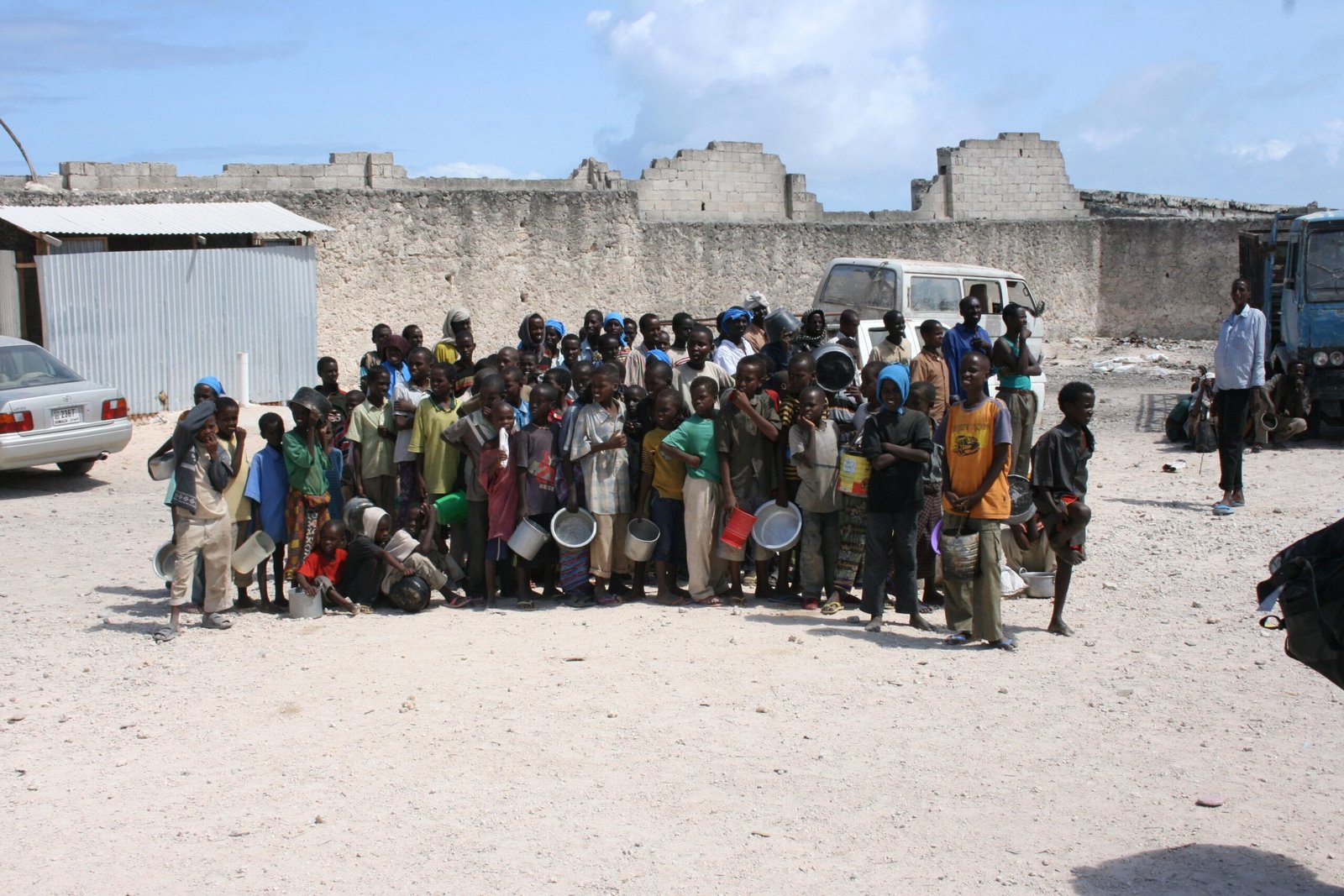
In Sudan, famine is a risk in 13 areas of North Darfur and South Kordofan through January 2027, with fighting disrupting food production, markets and aid deliveries. Acute malnutrition has already passed famine thresholds in two camps for displaced people in South Darfur. Famine risks were also identified among displaced people in Somalia’s Baidoa region and in parts of South Sudan, where escalating violence has compounded an already desperate humanitarian situation.
A developing El Niño weather pattern could make the crisis worse. The agencies said it could bring drought and extreme temperatures to southern Africa and parts of Central America, and potentially destructive flooding to parts of eastern Africa. El Niño is behind three of the four newly added hotspots: southern Africa, the Central American Dry Corridor and north-eastern Uganda. Up to 3 million people in Zimbabwe, 2.6 million in Malawi and 1.8 million in Mozambique are projected to face high levels of acute food insecurity through March 2027. In the Dry Corridor, the 2026 Primera crop season was the driest in four decades, with crop losses topping 75 per cent in many areas; in Guatemala alone, 3.2 million people are projected to face high levels of acute food insecurity between October 2026 and February 2027.
The agencies also warned that shrinking humanitarian funding is undermining efforts to avert catastrophe. Aid for the five countries facing the gravest hunger threats fell by two-thirds between 2022 and 2025, said Conor Elliott, a senior official in FAO’s emergencies and resilience office. “These are huge changes in international support,” he said, warning that the cuts were also undermining the collection of data needed to assess the scale of the crisis. A joint FAO-WFP El Niño anticipatory action plan aims to protect 9 million people in 22 countries.
Afghanistan, Haiti, the Democratic Republic of Congo and Gaza were also classified as areas of very high concern. Gaza was downgraded from the highest level of concern following improvements in food security since an October 2025 ceasefire, although the agencies warned that conditions remained severe and fragile.
Sources: Reuters, “UN warns famine risks rising as hunger hotspots increase” (https://www.reuters.com/business/environment/un-warns-famine-risks-rising-hunger-hotspots-increase-2026-11-27/); United Nations, “FAO / Hunger Hotspots Report” (https://media.un.org/unifeed/en/asset/d369/d3695328); ReliefWeb, “Hunger Hotspots: FAO-WFP early warnings on acute food insecurity, December 2026 to May 2027 outlook” (https://reliefweb.int/report/world/hunger-hotspots-fao-wfp-early-warnings-acute-food-insecurity-december-2026-may-2027-outlook).