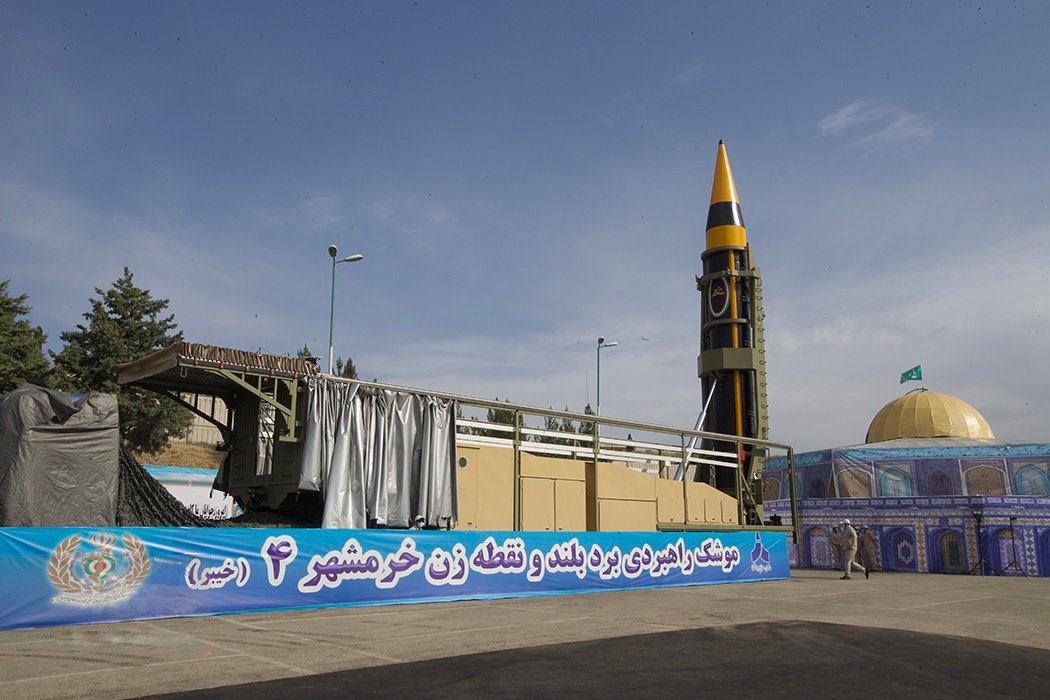









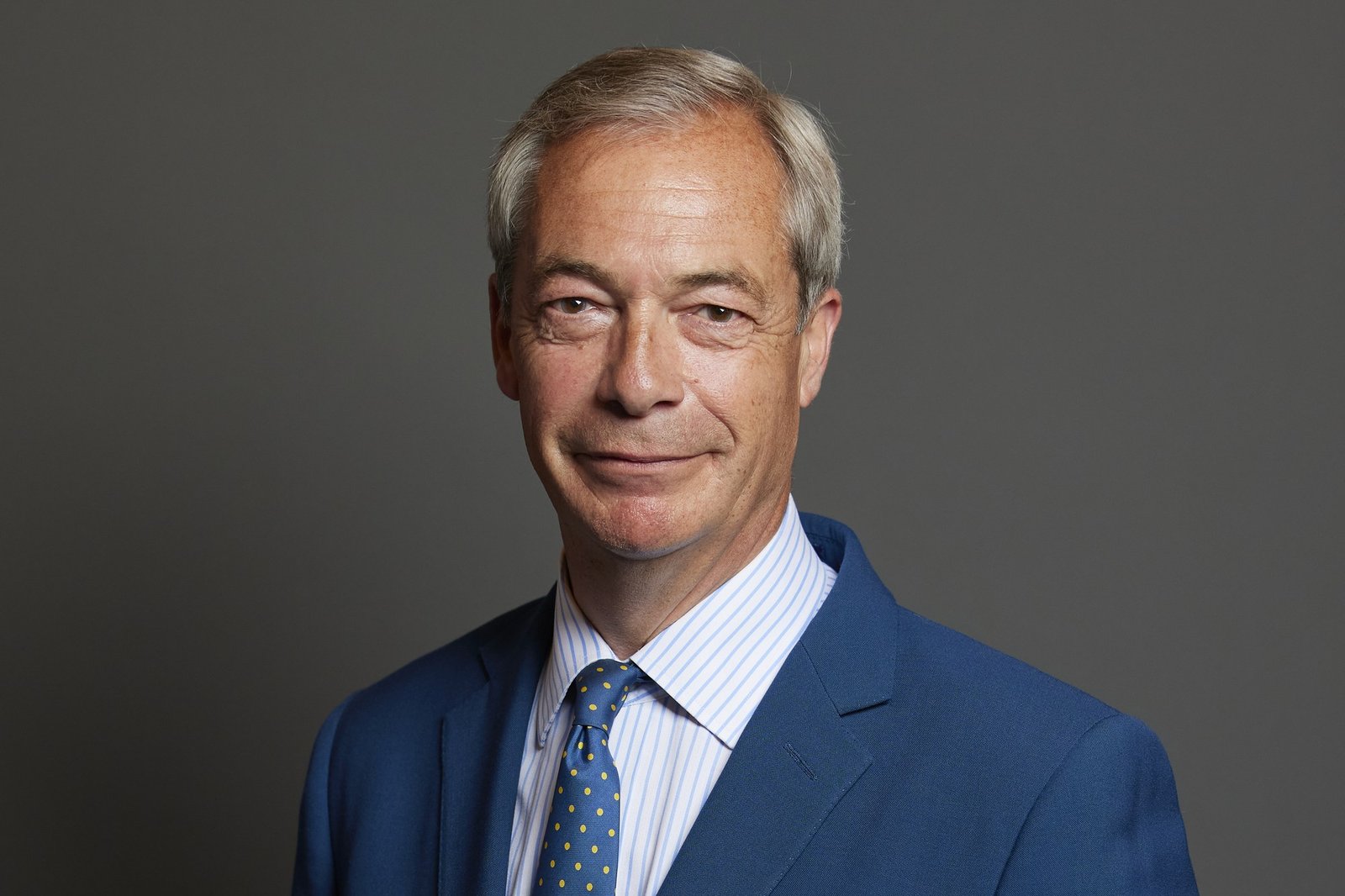
Reform UK leader Nigel Farage has set out his party’s defence and foreign policy programme, warning that the threats facing Britain from Iran, Russia and China are no longer abstract and that successive governments have allowed the country’s global influence to wither.
Writing in the Daily Express on Sunday, Farage said Britain must be “back in the driving seat at home, in our region and around the world”, and set out a National Security Review led by the party’s new Shadow Armed Forces Minister, Angus MacIntyre, a Royal Air Force wing commander with a 40-year military career.
At the centre of the plan is a pledge to spend 3 per cent of gross domestic product on defence by 2030, rising to 3.5 per cent by 2035. The review’s terms of reference, published this week, describe those figures as “a floor, not a ceiling”. Farage said the increase would be paid for in part by placing a hard £1 billion cap on the foreign aid budget.
Border security is the review’s top-tier priority. The document calls the situation in the Channel a “national security emergency” and restates Reform’s plans to stop small-boat crossings within its first 100 days in government, with the Royal Navy intercepting vessels and returning those on board to their country of departure, alongside a five-year programme to identify, detain and deport illegal migrants and a suspension of the asylum system for a full parliamentary term.
On alliances, the review says Britain’s policy should be “NATO First, not NATO Only”, and that the UK must keep a sovereign reserve of forces ready for national tasks rather than promising them all to the alliance. It calls Russia “the greatest immediate state threat” to the UK, already waging hybrid warfare, and describes Iran as the largest state sponsor of terrorism in the world, including inside Britain. It also warns that China must be resisted, arguing that Beijing’s ambitions over Taiwan could crash the global economy.
Farage also set out a shift in priorities for the nuclear deterrent, undersea defence, and cyber and space-based threats, and said the party would invest heavily in airports, hospitals, energy and food security so that attacks on national infrastructure fail. He said the Falkland Islands, Gibraltar and the Chagos Islands are British, that Reform would reverse the Chagos deal, and that Britain will not pay reparations to anyone.
At home, the plan would ban the Muslim Brotherhood and refocus the Prevent programme on Islamist terrorism. Abroad, Farage said the UK should use its United Nations Security Council veto in pursuit of explicitly British interests. Reform would leave the European Convention on Human Rights, repeal the Human Rights Act, disapply the Refugee Convention and refuse to let any international court override British law.
The spending pledge itself was first set out when MacIntyre was unveiled as Reform’s defence spokesman on 5 November; today’s Express piece is the fullest public presentation of the programme so far. The government’s own position is also to reach 3 per cent of GDP on defence by 2030, a commitment restated in the House of Lords Industry and Regulators Committee report published on 11 November, which warned that spending alone would not deliver readiness without faster procurement and a stronger industrial base.
Sources: Brit Brief report of the Daily Express commentary (Nigel Farage, 15 November 2026) — https://britbrief.co.uk/politics/westminster/farage-sets-out-reform-uk-plan-to-restore-britains-power.html ; The National Pulse via Freedom Square (National Security Review terms of reference) — https://freedomsquare.com/reform-uks-national-security-review-makes-britain-principal-power-focused-on-security-sovereignty-and-resisting-china/ ; The Times (5 November launch) — https://www.thetimes.com/uk/politics/article/reform-britain-military-decayed-nigel-farage-angus-macintyre-dpzfw8mmd ; House of Lords Industry and Regulators Committee, “Ready for action in 1,000 days?” (11 November 2026) — https://publications.parliament.uk/pa/ld5902/ldselect/ldindreg/83/83.pdf