








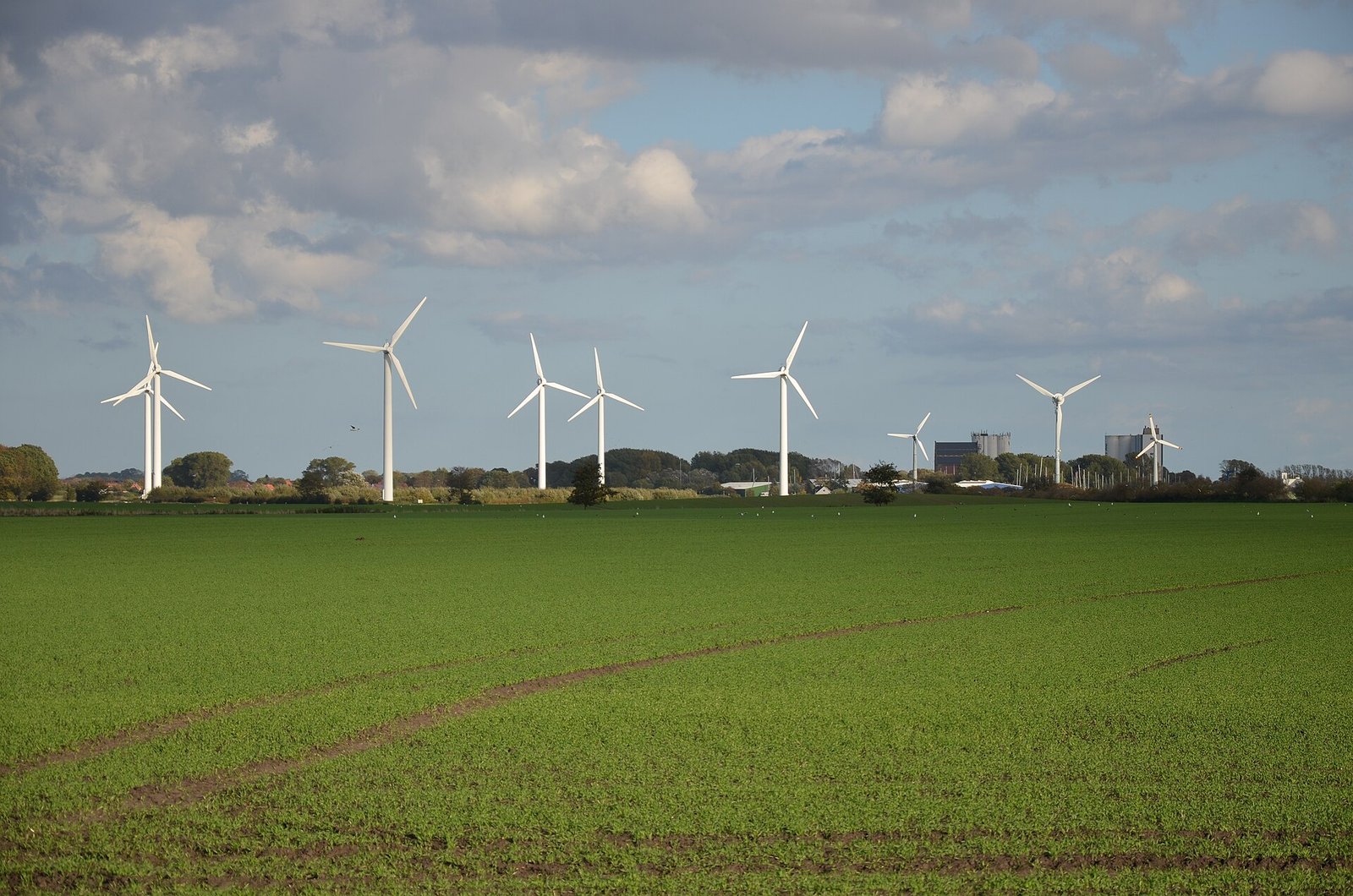
Germany’s power market has spent much of the autumn waiting for the wind to return — and in the first three weeks of November, it finally did. Wind generation surged from less than 100 gigawatt hours to more than 1,100 GWh, lifting wind’s share of total electricity production from just 6% to 65%, according to data from Germany’s federal network agency, the Bundesnetzagentur, as analysed by Reuters.
The turnaround was dramatic. Between 8 and 10 November, wind averaged under 92 GWh a day and supplied less than a tenth of output, forcing fossil-fuel plants to run hard: generation from coal and gas climbed above 800 GWh a day, peaking at more than 910 GWh on 10 November, when gas plants alone produced nearly 418 GWh.
Within days the picture reversed. By 13 November wind output had climbed above 790 GWh; two days later it supplied 56% of all electricity, and on 18 November it exceeded 1,100 GWh — almost two-thirds of total generation. Clean power output reached more than 1.3 terawatt hours that day, the highest level of the period.
Coal took the biggest hit. Hard coal output fell from more than 136 GWh on 11 November to 43 GWh by 15 November, while lignite dropped from over 316 GWh on 10 November to below 149 GWh by 18 November. Gas-fired generation fell by roughly three-quarters in five days, from more than 417 GWh on 10 November to 106 GWh on 15 November — though gas plants remain the system’s shock absorber, able to ramp up and down far faster than coal when the wind fades.
The swing is a glimpse of where Europe’s power sector is heading. Within little more than a week, Germany moved from a system in which fossil fuels supplied nearly three-quarters of electricity to one in which clean power dominated and wind alone provided most of it. Forecasters at LSEG expect German wind generation to stay close to or above the long-term average for the next several weeks — a sharp reversal from early-November forecasts that had it running well below normal.
The figures in this story come from a single Reuters analysis of the federal network agency’s data, so they should be read as that analysis’s reading of the official figures rather than a separate official release. The broader lesson it draws is that, as renewable capacity grows, fossil-fuel demand is increasingly set by the weather rather than by policy or fuel prices: when the wind drops, coal and gas can surge within hours, and when it returns, they can lose market share just as fast.
Sources: Reuters — “The wind has finally shown up in Germany, and fossil fuels feel it” (https://www.reuters.com/commentary/reuters-open-interest/wind-has-finally-shown-up-germany-fossil-fuels-feel-it-2026-11-23/); generation data: Germany’s Federal Network Agency (Bundesnetzagentur).