








A third wave of hoax bomb threats disrupted at least 18 more flights across Europe on Friday and spread beyond aviation to newsrooms, forcing Ireland’s national broadcaster to evacuate its Dublin headquarters while police searched the building.
The Guardian counted at least 18 flights affected on Friday, travelling to or from Bulgaria, Cyprus, Czechia, France, Hungary, Italy, Portugal, Romania and the United Kingdom. The European Union’s transport commissioner, Apostolos Tzitzikostas, separately said 11 further threats against flights were reported that day. Every affected aircraft landed safely, and searches found no explosive devices on any plane.
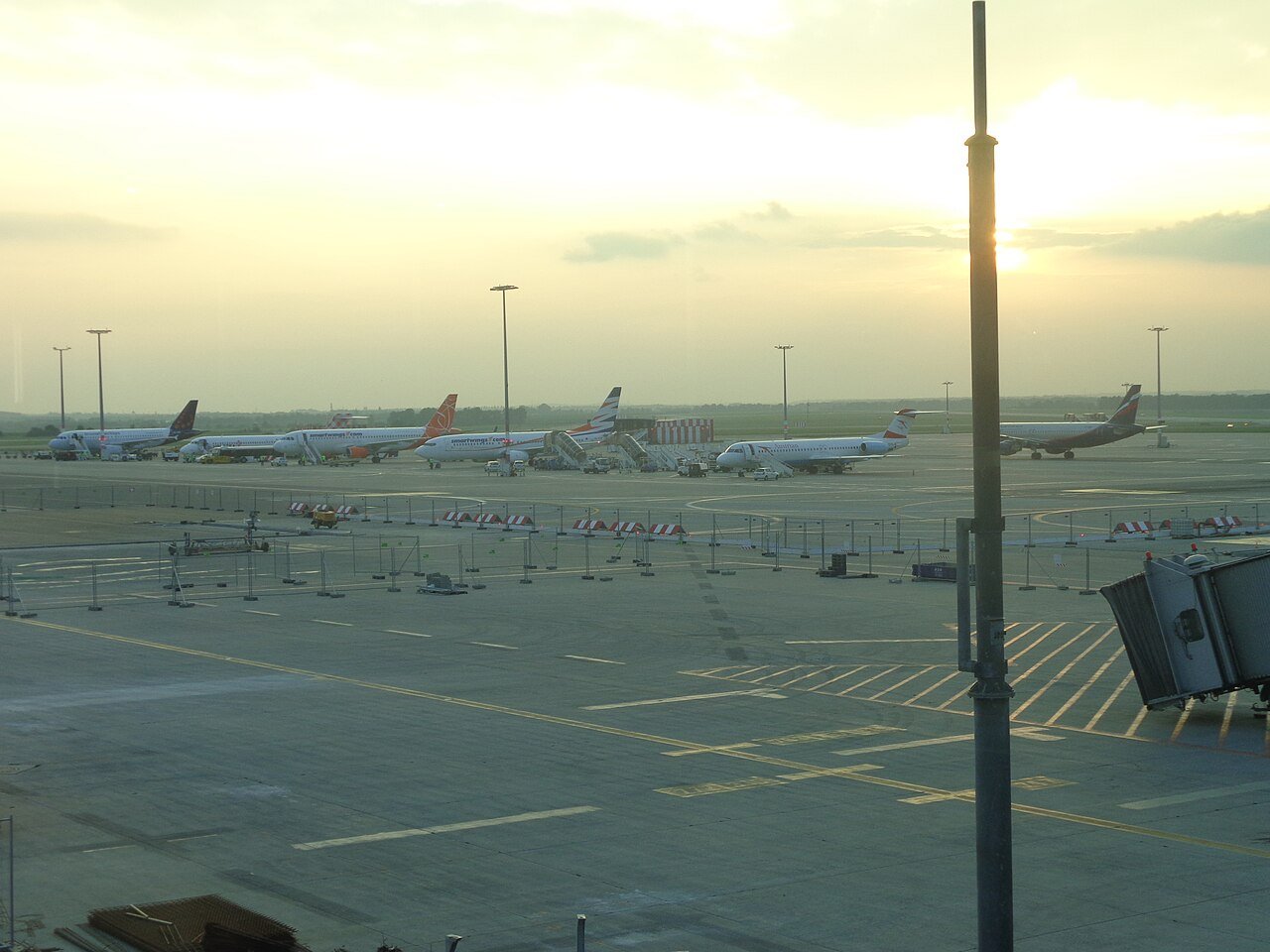
Prague was the hardest hit, with nine flights to or from Vaclav Havel Airport affected. A Wizz Air jet bound from Prague to Rome diverted to Venice, where passengers were evacuated after landing. Hungarian fighter jets escorted three passenger flights after threats were received, and French authorities reported four threats against aircraft over France.
The disruption is the third wave in four days. Seven flights were hit on Tuesday and at least 25 across 16 countries on Thursday, taking the week’s total past 50 flights. Eurocontrol, which coordinates air traffic across the continent, said 26,709 flights were scheduled in Europe on Friday, meaning the affected services accounted for about 0.07 per cent of the total.
Friday’s threats were not limited to aviation. RTE, Ireland’s national broadcaster, evacuated its Donnybrook headquarters in Dublin after receiving a threat by email before 9 a.m. Armed gardai with sniffer dogs swept the campus while staff waited in safe areas, and the broadcaster ran pre-recorded programming for hours. Virgin Media, Newstalk and the Irish Independent’s publisher, Mediahaus, also received threats, and British broadcaster Sky said it had received a security threat and reported it to the authorities.
Taoiseach Micheal Martin said after RTE Radio 1 resumed scheduled broadcasting that the threats had to be taken seriously and were an attempt to sow fear and anxiety. He said they showed how easily disruption could undermine the normal running of society.
Spain’s foreign minister, Jose Manuel Albares, said the identical methods used across so many countries could not be coincidence and spoke of suspected hybrid aggression. Investigators, however, have found no evidence so far that a hostile state or a terrorist group is directing the hoaxes, and inquiries are continuing across several countries.
Emails sent to media outlets on Friday were signed by a “Mikhail Andropov”, who claimed to lead the group behind the week’s aviation hoaxes and warned that “this is only the beginning”. Reuters said it could not independently verify the sender’s identity, the emails’ origin or any connection to the aviation threats, and the claim should be treated as unverified.
Aviation-security experts are expected to meet in Brussels next week to discuss the response, as officials warn that further disruption remains possible while those responsible have not been identified.
Sources: The Guardian (https://www.theguardian.com/world/2026/nov/06/further-bomb-threats-disrupt-at-least-another-18-flights-across-europe) and Associated Press, via reporting on the European bomb-threat campaign (https://apnews.com).