






Israel’s election has ended in deadlock, with final results published on Friday leaving no political bloc with the majority needed to form a government.
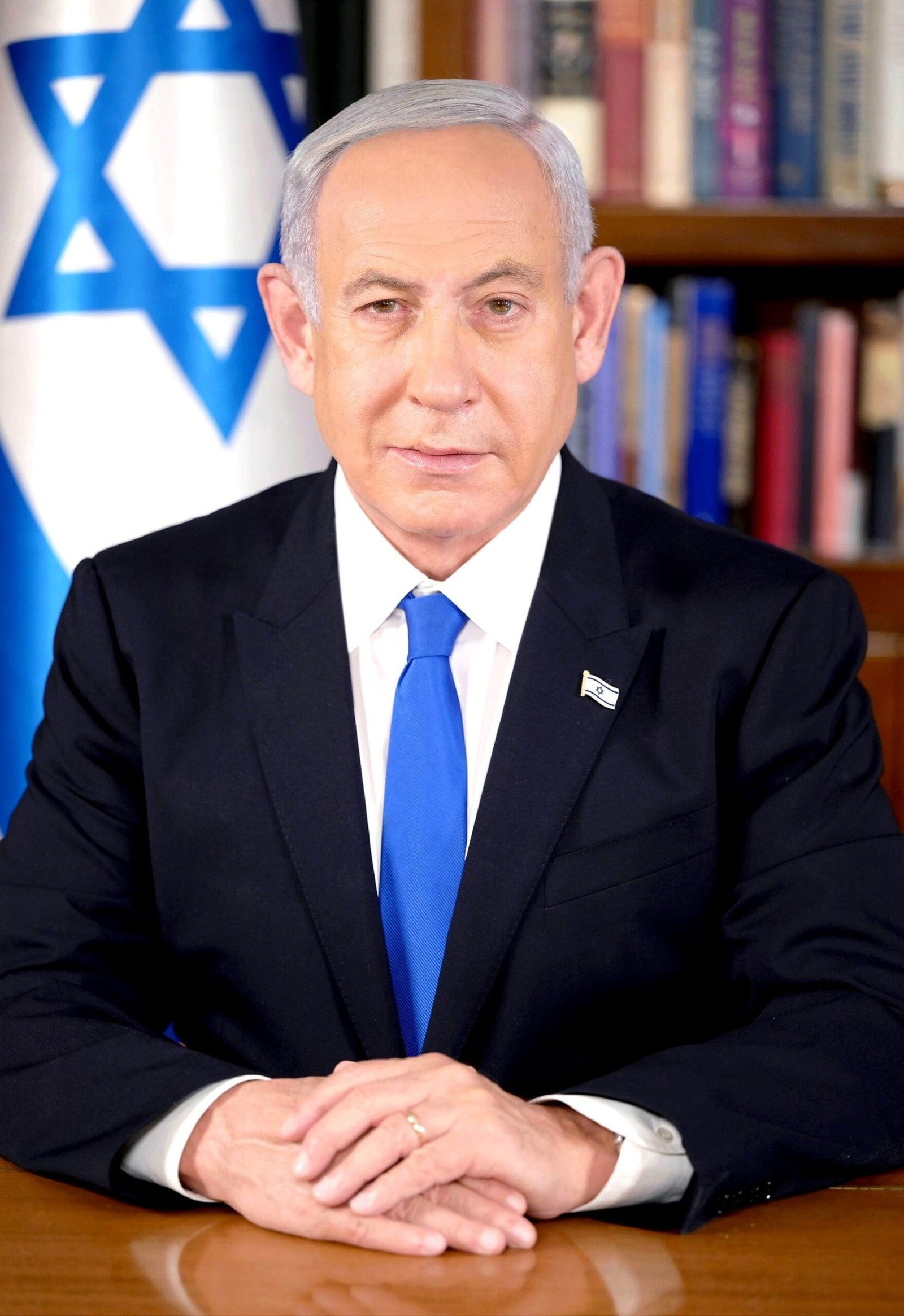
Prime Minister Benjamin Netanyahu’s nationalist-religious bloc finished first with 53 seats in the 120-member Knesset, eight short of the 61 required to govern. The opposition bloc led by former military chief Gadi Eisenkot won 48 seats, while parties representing Israel’s Arab minority secured a record 19 seats between them.
Netanyahu’s Likud party remained the largest single party with 27 seats, ahead of Eisenkot’s Yashar party on 21. Turnout reached 77.9 per cent, the highest in decades, with more than 5.7 million ballots cast in Tuesday’s vote.
The results will be formally submitted to President Isaac Herzog on 4 November. Herzog will then consult party leaders and choose the candidate he believes has the best chance of building a coalition. That person will have 28 days, extendable by 14, to assemble a government, and the new Knesset is due to be sworn in on 10 November.
The arithmetic leaves both main camps dependent on parties they have so far refused to work with. Eisenkot’s bloc could reach a majority only with broad Arab backing, an option he has so far ruled out, although a minority government supported from outside by Arab parties remains possible. Netanyahu’s partners, meanwhile, have resisted any cooperation with Arab parties.
The deadlock follows a bitter end to the campaign. On Thursday Netanyahu alleged, without providing evidence, that Arab parties’ gains were driven in part by voter fraud, a charge Arab leaders rejected as incitement. Police said they had arrested at least seven people in the south of the country on suspicion of voter fraud, while the Central Elections Committee said there was no basis for claims that the election’s integrity had been systematically harmed. The committee’s head also asked the Shin Bet domestic intelligence service to investigate suspicions of foreign interference, an allegation Likud linked to Qatar, which denied it.
Herzog, urging calm, said the allegations must be investigated but added: “We must not tarnish an entire community that sought to exercise its right to vote and take an active part in democracy.”
If neither side can assemble a majority, Israel could face another general election early next year — a prospect that would extend a period of political instability at a moment when the country is still grappling with the aftermath of war.
Note on sourcing: the fraud allegations described above are unproven and denied by the Arab parties; the Central Elections Committee has said there is no basis for claims of systematic harm to the election’s integrity.
Sources: Reuters, “Netanyahu, at risk of losing power, steps up attacks on Israel’s Arab parties” (https://www.reuters.com/world/middle-east/netanyahu-risk-losing-power-steps-up-attacks-israels-arab-parties-2026-10-29/); New York Post, “Netanyahu’s right-wing bloc wins Israeli election but he’s eight seats short of majority” (https://nypost.com/2026/10/30/world-news/netanyahus-right-wing-bloc-wins-israeli-election-but-hes-eight-seats-short-of-majority/).