







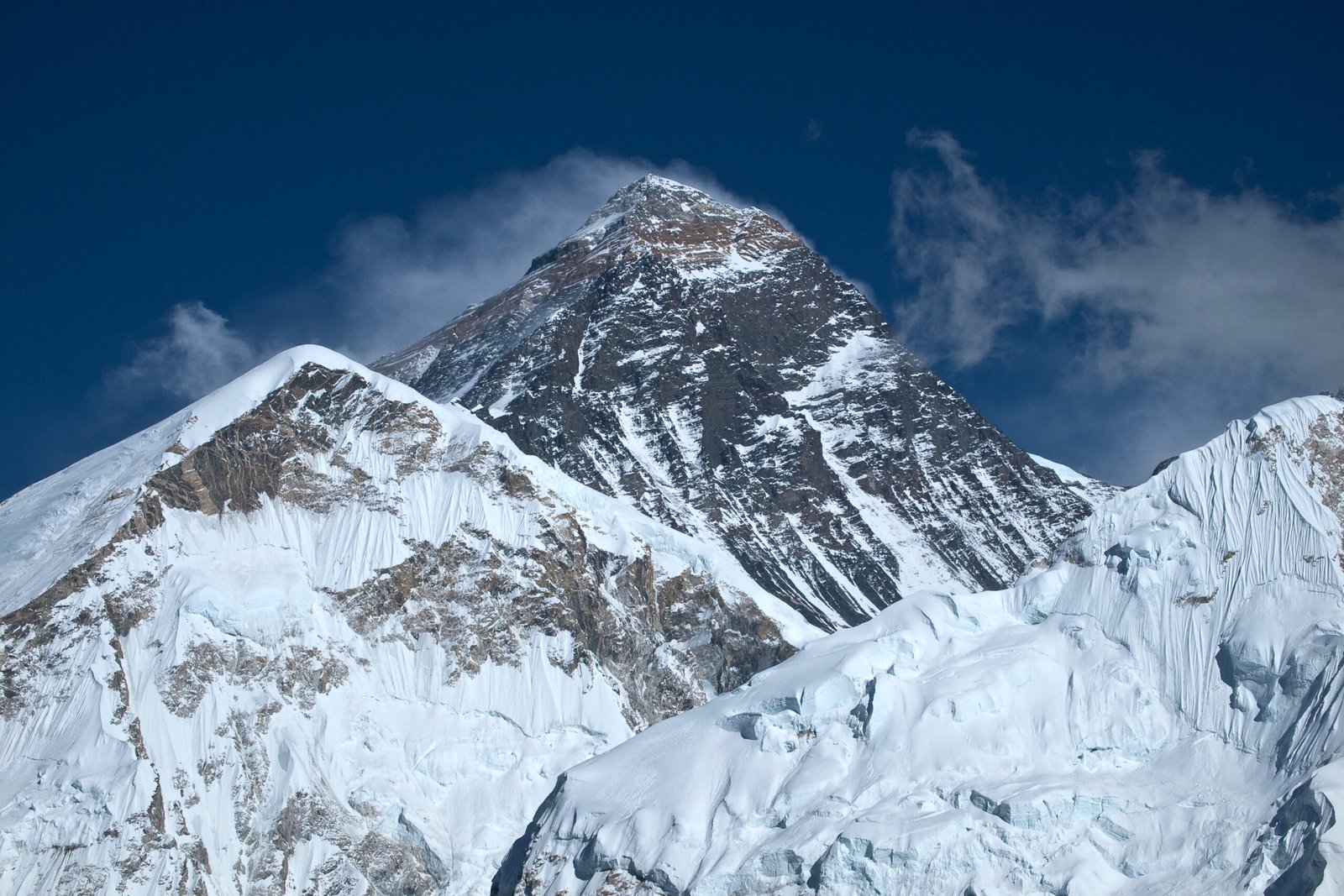
Nepal and Bhutan have jointly proposed that the Himalayas be given a dedicated place on the agenda at next month’s United Nations climate summit, arguing that mountain regions are bearing climate damage far out of proportion to their emissions.
The two countries want an item titled “1.5-Degree Temperature Rise in the Himalayan Region” added to the agenda for COP31, which runs in Antalya, Turkey, from 9 to 20 November. Nepal’s Minister for Agriculture, Forests and Environment, Geeta Chaudhary, submitted the joint proposal under Rule 12 of the conference’s draft rules of procedure, according to a statement from her secretariat issued on Saturday.
Under the proposal, governments would commission scientific studies on warming in the Himalayan region and on what happens if temperature targets are overshot. It also calls for an annual high-level dialogue on mountains and climate change, and for work to begin on an action plan for Himalayan ecosystems under the UN Framework Convention on Climate Change.
Mountain priorities, the proposal argues, should also be woven into the summit’s wider discussions on adaptation, climate finance, and loss and damage — the compensation paid for climate harm that cannot be adapted away.
The push follows a brutal season of mountain disasters. On 26 August, floods in Nepal’s Bhotekoshi and Trishuli river systems, triggered when an avalanche dammed a river, caused an estimated $2.7 billion in damage, with recovery and reconstruction expected to cost $4.7 billion, according to a Rapid Disaster Needs Assessment prepared by the Nepali government.
Days before the proposal, Bhutan was hit by its own glacial lake outburst flood on Thursday night, when the Shintaphu glacial lake burst and washed away infrastructure at the Gasa Tshachu natural hot springs. No casualties had been reported as of Friday, according to reports cited by IANS.
The two countries warn that rising temperatures are accelerating glacier melt, increasing water insecurity and exposing communities to more extreme weather, with risks of irreversible damage to ecosystems. Rivers rising in the Himalayas provide water, food and energy to more than two billion people downstream, while the region holds nearly half of the world’s important biodiversity areas, the proposal says.
The move builds on Nepal’s wider COP31 platform, set out at a National Climate Summit in Kathmandu on Thursday, where Foreign Minister Shishir Khanal listed Himalayan protection, loss and damage, accessible climate finance and climate justice as the country’s four priorities. Nepal’s third Nationally Determined Contribution puts its adaptation needs at around $18 billion to $20 billion between 2025 and 2035.
The details of the joint submission rest on a statement from the minister’s secretariat, as reported by IANS; the proposal document itself has not been published, and no response from the COP31 presidency had been reported at the time of writing.
Sources: IANS, “Nepal, Bhutan seek dedicated Himalayan climate agenda at COP31”, https://ianslive.in/nepal-bhutan-seek-dedicated-himalayan-climate-agenda-at-cop31–20261031203452 ; The Newswire, “Nepal Steps Up Push for Himalayan Climate Justice Ahead of COP31”, https://thenewswire.in/nepal-steps-up-push-for-himalayan-climate-justice-ahead-of-cop31/