








Nearly a million New Zealanders have already voted in the country’s general election, with early turnout running well ahead of the last election. New Zealand’s Electoral Commission said 913,762 votes were cast between October 26 and November 1, the first week of early voting, a rise of 28% compared with the same period in 2023.
Saturday was the busiest day so far, with more than 190,000 votes issued, the commission said. The surge suggests a high level of engagement in a contest that polls show remains tightly fought, with no party or coalition grouping yet holding a clear lead.
“Voting has got off to a good start, and there are still six more days to vote,” Chief Electoral Officer Karl Le Quesne said. Around 600 voting places will be open each day this week, rising to more than 2,300 on election day itself, Saturday, November 7.
The strong early turnout has come despite a change to the rules that critics say could have suppressed participation. The government ended enrolment 13 days before election day, a move opponents argued would deter some voters, particularly those who would previously have enrolled late or on the day. The commission has not said whether the rule change affected the early figures, and the turnout so far gives no sign of a deterrent effect at the national level.
The election is being fought against a backdrop of cost-of-living pressure, which has dominated the campaign. The governing National Party is seeking a second term after winning power in 2023 on promises to cut inflation and government debt, while Labour and smaller parties are pitching a bigger government role in easing household pressures and tackling housing affordability. Polls have shown no clear path back to government for any potential coalition, leaving the result genuinely open.
That uncertainty makes the early-voting figures worth watching, though they do not by themselves predict the outcome. High early turnout can reflect enthusiasm, organisation, or simply a shift in when people vote rather than how many will vote overall. The final test will be the total turnout on and before November 7, and whether the early surge is matched on election day itself.
Readers should note that the turnout figures in this story come from New Zealand’s Electoral Commission as reported by Reuters, with no second source cited for the numbers.
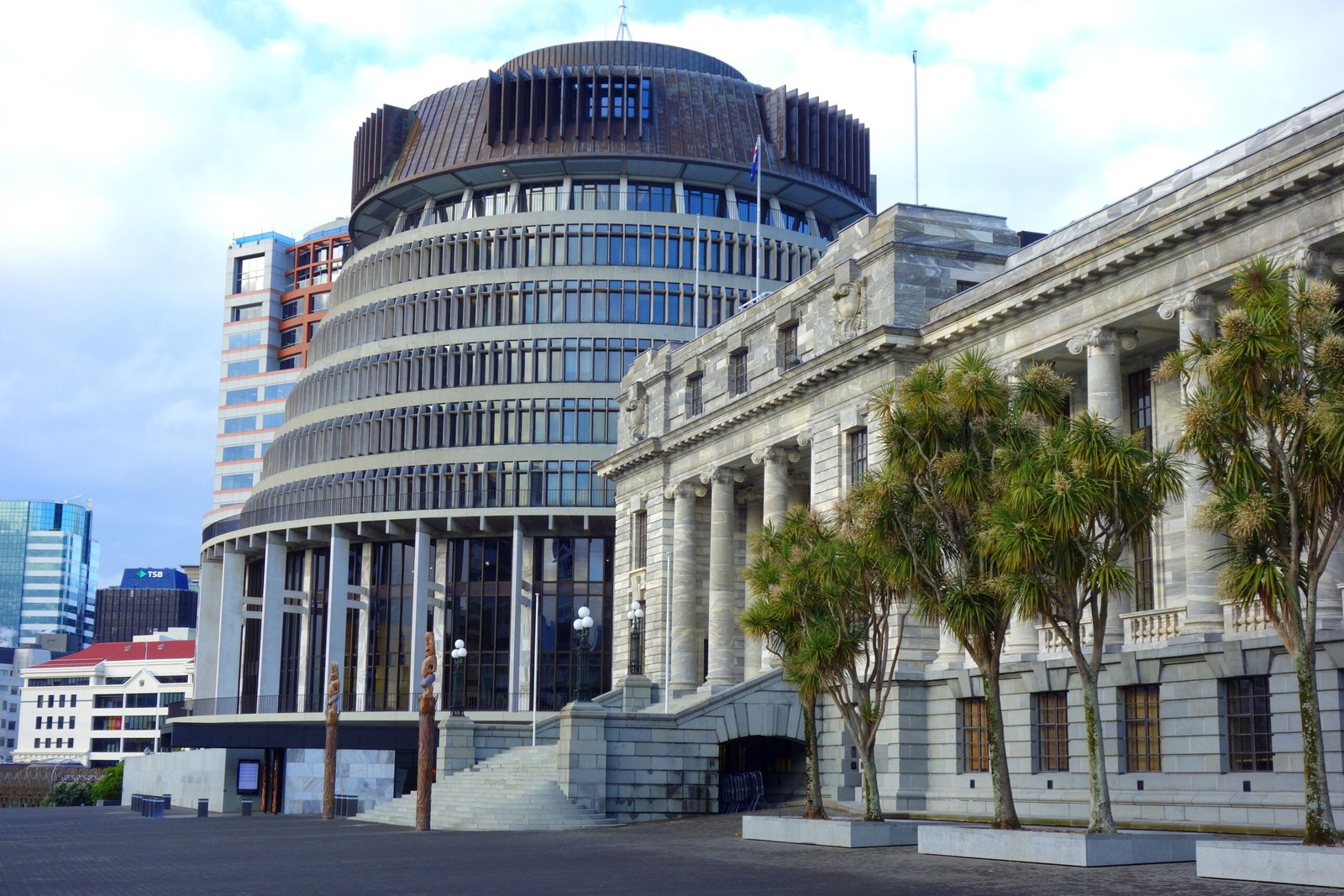
Note: the featured image is a file photo of Parliament Buildings in Wellington, not a photograph of a polling place.
Sources: Reuters, “New Zealand early voting surges ahead of November 7 election”, 2 November 2026, https://www.reuters.com/world/asia-pacific/new-zealand-early-voting-surges-ahead-november-7-election-2026-11-02/