







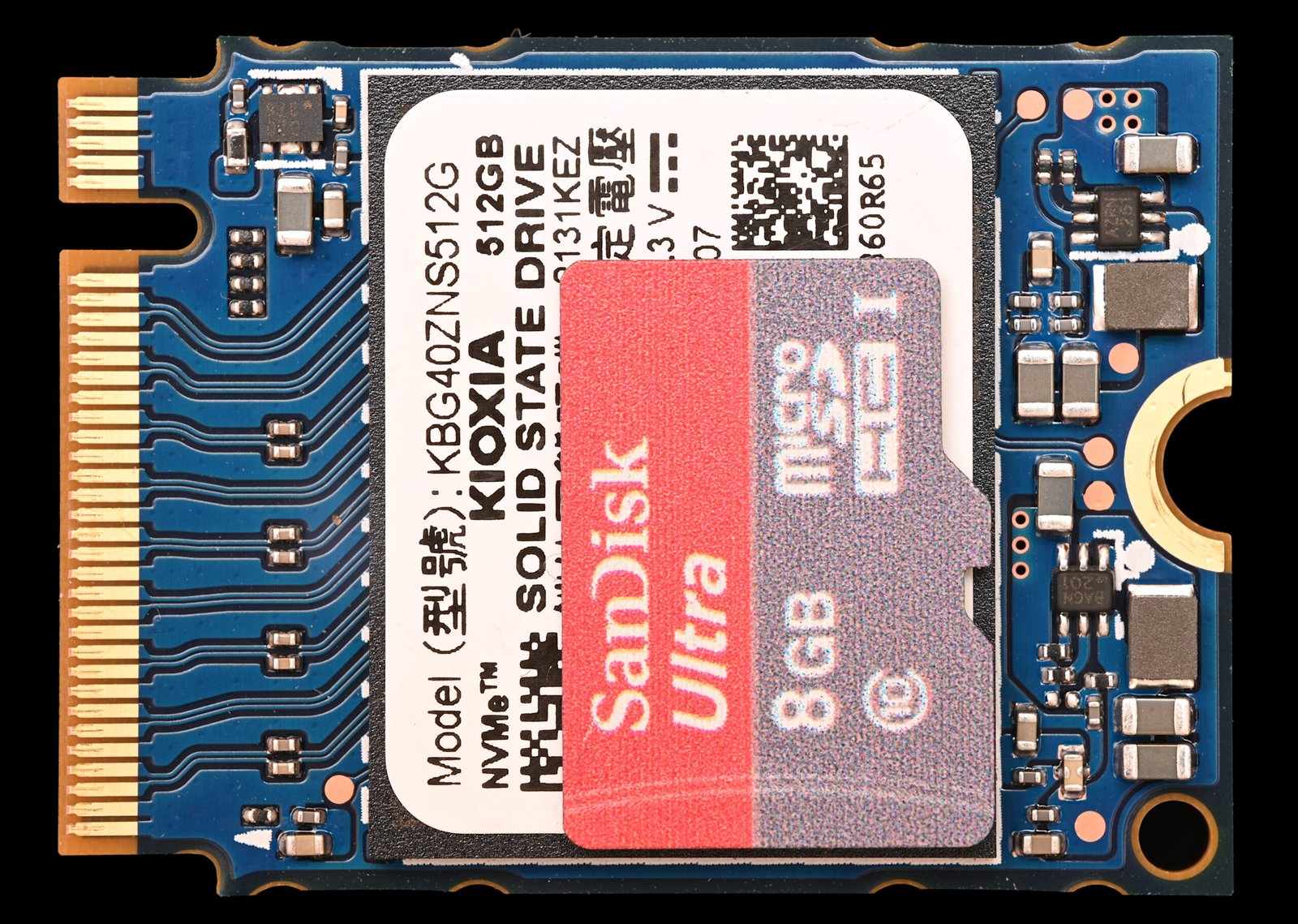
Kioxia Holdings, Japan’s largest maker of NAND flash memory, has delivered one of the stock market’s cruellest verdicts of the year: a record quarter, punished.
Shares in the Tokyo-listed chipmaker fell as much as 15% on Monday, the first trading session after results released late on Friday showed operating profit of nearly 2 trillion yen for the three months to the end of September — the highest in the company’s history. The stock had already signalled trouble before Tokyo opened: Kioxia’s American depositary receipts dropped 17% in US trading on Friday.
The disappointment was not about the past quarter. It was about the next one. For October to December, Kioxia guided to operating profit of about 2 trillion yen, roughly $12.7 billion, and revenue of 2.5 trillion yen — barely above the September quarter and well short of analyst expectations of around 2.35 trillion yen in operating profit. In other words, after months in which surging memory prices drove profits sharply higher, the company is now telling investors to expect a plateau.
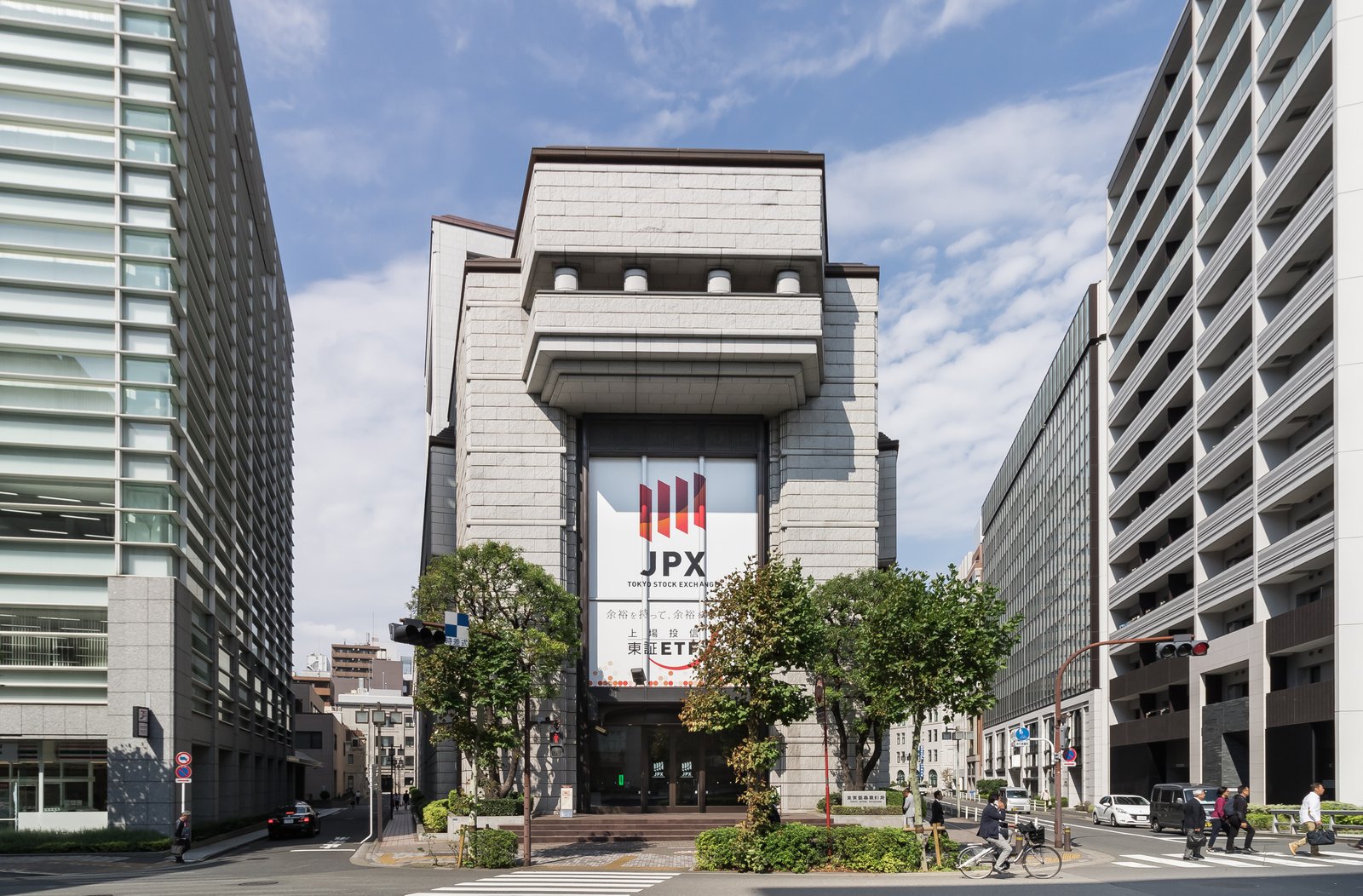
That message landed badly because expectations had run so far ahead of it. Kioxia’s shares had more than halved from their highs since the Nikkei’s June record, yet the stock remained one of the most crowded trades on the Tokyo exchange, with margin-financed purchases reported at roughly 920 billion yen in mid-October. When a crowded trade disappoints, the exit is rarely orderly.
The company pointed to a stronger yen as one drag on the outlook: it assumes 157 yen to the dollar for the current quarter, against 161 yen in the previous three months, which reduces the yen value of dollar-denominated sales. It also said it was unclear whether NAND prices would keep rising into the fiscal year starting in April 2027, even though demand from data-centre operators remains strong and its 2027 production capacity is already spoken for.
The sell-off spread beyond Kioxia. The Nikkei 225 fell 0.7% in early trading on Monday and the broader Topix index dropped 0.8%, with chip-related shares including Ibiden and Sumco leading the decline, after a tech-led rout on Wall Street on Friday in which the Philadelphia Semiconductor Index fell 7.2%. Strategists warned the disappointing outlook could deepen doubts about profitability across Japan’s technology sector, just as investors globally are taking a harder look at the returns on vast AI spending.
There is an important distinction in Kioxia’s numbers. Nothing in the guidance suggests memory prices are falling — only that their rise is slowing, and that the translation into profit is flattening. Company management has also indicated it expects growth to resume in the March quarter. For now, though, the market has decided that a flattening is enough: in a trade built on acceleration, standing still counts as a miss.
Sources: Bloomberg reporting on Kioxia’s results and outlook, via https://www.europesays.com/japan/116773/ and https://aistockwire.com/blog/kioxia-285a-stock-falls-outlook-nand-prices-stall-november-2026 ; Kioxia’s October 30 results coverage via https://stocktwits.com/news-articles/markets/equity/mu-sndk-dram-inch-higher-overnight-after-mixed-week-japan-s-kioxia-plunges-after-cautious-memory-outlook/cNG9K4wR92O