







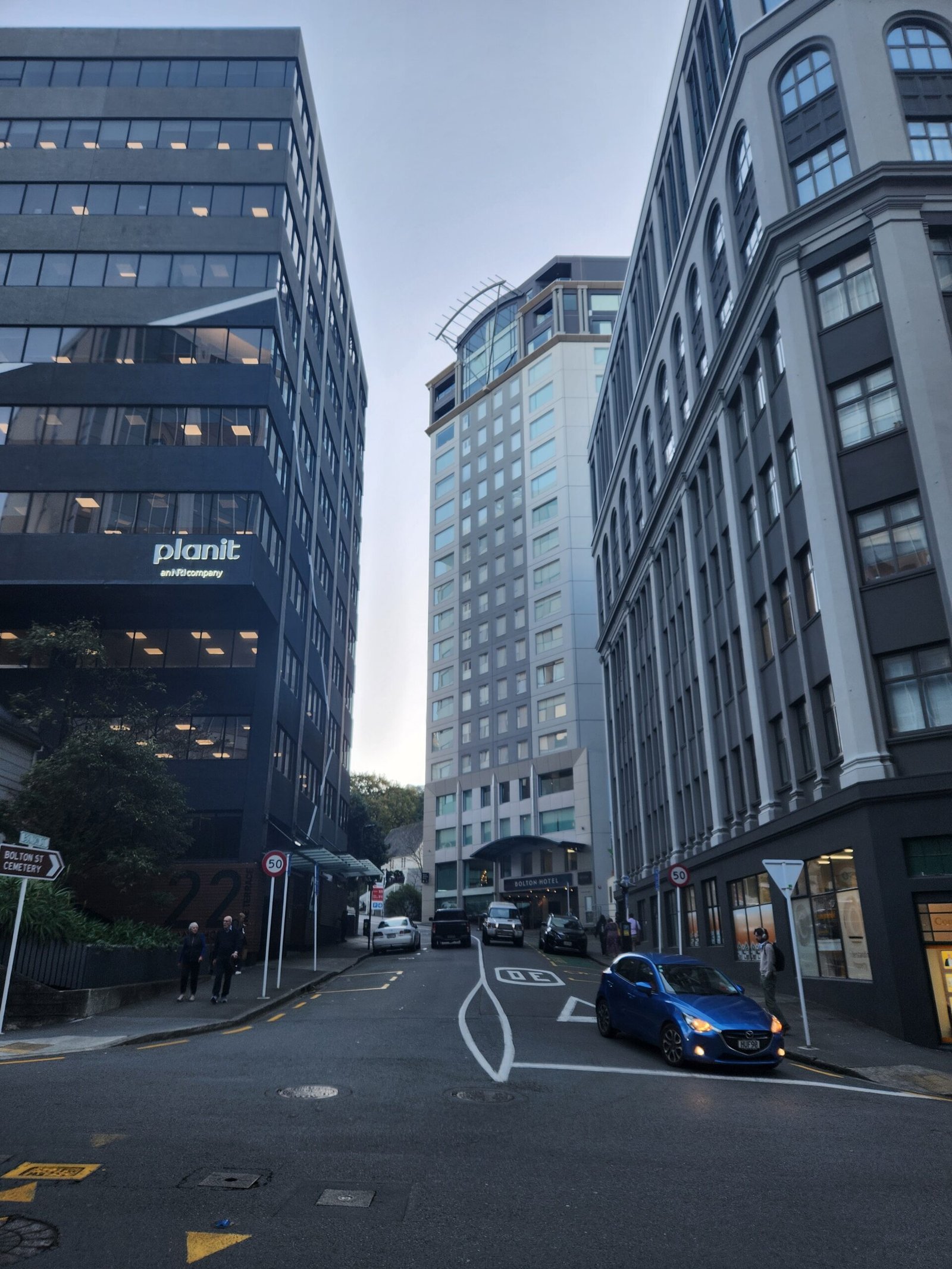
New Zealand goes to a general election on 7 November with the cost of living at the centre of the campaign, and the governing National Party facing an awkward geographical split: parts of the country are recovering, while the cities where most voters live are still feeling squeezed.
In Lower Hutt, a city north-east of Wellington, that squeeze is personal. A 70-year-old part-time bus driver queuing at a riverside market said she was working to pay for extras and small treats, and planned a tactical vote in the Hutt South constituency aimed at denying re-election to Chris Bishop, one of the government’s most senior figures.
Three years ago, urban voters helped National win power on promises to cut inflation and government debt. The party argues it has since laid the foundations for stronger growth, but New Zealand has yet to shake off its recession fully, and critics say Prime Minister Christopher Luxon made economic promises before the 2023 election that he could not keep. Successive shocks, economists say, have repeatedly pushed the promised recovery further away.
The divide is stark in the economic data. Tourism and higher agricultural exports have supported rural areas, especially on the South Island, where second-quarter retail spending rose 8.6% on the year. In urban centres such as Auckland and Wellington, on the more populous North Island, consumer spending rose by a smaller 5.8%. Unemployment fell by 0.6 percentage points on the South Island over the same period but rose by 0.7 points on the North Island. House prices, another major concern for voters, are down almost 30% from their peak in Wellington and 24.7% in Auckland, against a 17% fall nationally, eroding middle-class wealth. Kiwibank chief economist Jarrod Kerr summed up the pattern as roughly a third of the economy doing well while two-thirds were still finding their feet.
Bishop told Reuters that voters in his constituency wanted a plan to move the country forward and drive prosperity, and that the government’s economic plan was beginning to work but needed more time. Political commentators argue that message is becoming harder to sell after three years in which voters have been asked to wait for the benefits of fiscal restraint and infrastructure investment.
Polls show no clear path back to government for any potential coalition. Voters are looking again at Labour and at smaller parties, including the centrist Opportunity Party, which could become the first new party in government since 1996 and is drawing urban professionals disillusioned with the left-right divide. A left-wing coalition is pitching a bigger government role to ease household pressures, support public services and tackle housing affordability. Yet memories of weak growth under the previous Labour government mean many voters are shopping around rather than returning automatically.
The cities of 30,000 or more that are home to about 65% of New Zealand’s 5.5 million people are therefore likely to be decisive. As Infometrics chief economist Brad Olsen put it in essence, the old adage that it is the economy that decides elections still holds. For voters working into retirement age and finding savings exhausted by rising prices, that is not an abstraction.
Polling and voter-level detail in this story come from Reuters reporting; no second poll source was cited.
Sources: Reuters, “New Zealand’s two-speed economy poses election dilemma for ruling National party”, 1 November 2026, via https://www.reuters.com/world/asia-pacific/new-zealands-two-speed-economy-poses-election-dilemma-ruling-national-party-2026-11-01/