







Nuclear safety regulators from 38 countries have warned that the risk of a nuclear accident in Ukraine is increasing this winter, as Russian attacks on the country’s power grid grow more intense.
The regulators, in a joint statement issued on Monday, urged Russia to stop striking Ukraine’s energy infrastructure, warning that the attacks are undermining the safe operation of the country’s nuclear plants. “Together we express our deep concern about the increasing risks to nuclear safety arising from Russia’s war against Ukraine, and its continued attacks on the country’s energy infrastructure,” the statement said.
The central danger is electricity. Nuclear reactors need a steady supply of power from the grid to keep their fuel cool. If that supply fails, plants must fall back on emergency diesel generators, and a prolonged loss of power raises the risk of a meltdown and a release of radioactivity into the air — the kind of disaster last seen at Chornobyl in 1986, the worst civil nuclear accident in history.
Per Strand, head of HERCA and NORA, two of the three bodies behind the statement, told Reuters that Russian attacks had become deadlier in recent weeks, with drones carrying bigger payloads and striking with greater precision. “Because of this new tactic of the Russians … clearly the highest risk will be this winter for a nuclear accident,” he said.
The worst case, Strand said, would be a nationwide blackout hitting all nine of Ukraine’s producing reactors at the same time. “Nine reactors at the same time with the potential of (radioactive) releases would be quite a severe situation,” he said. He stressed the danger could still be avoided if Russia was pressed to stop its attacks — and that European countries should otherwise prepare together for the consequences of a possible accident.
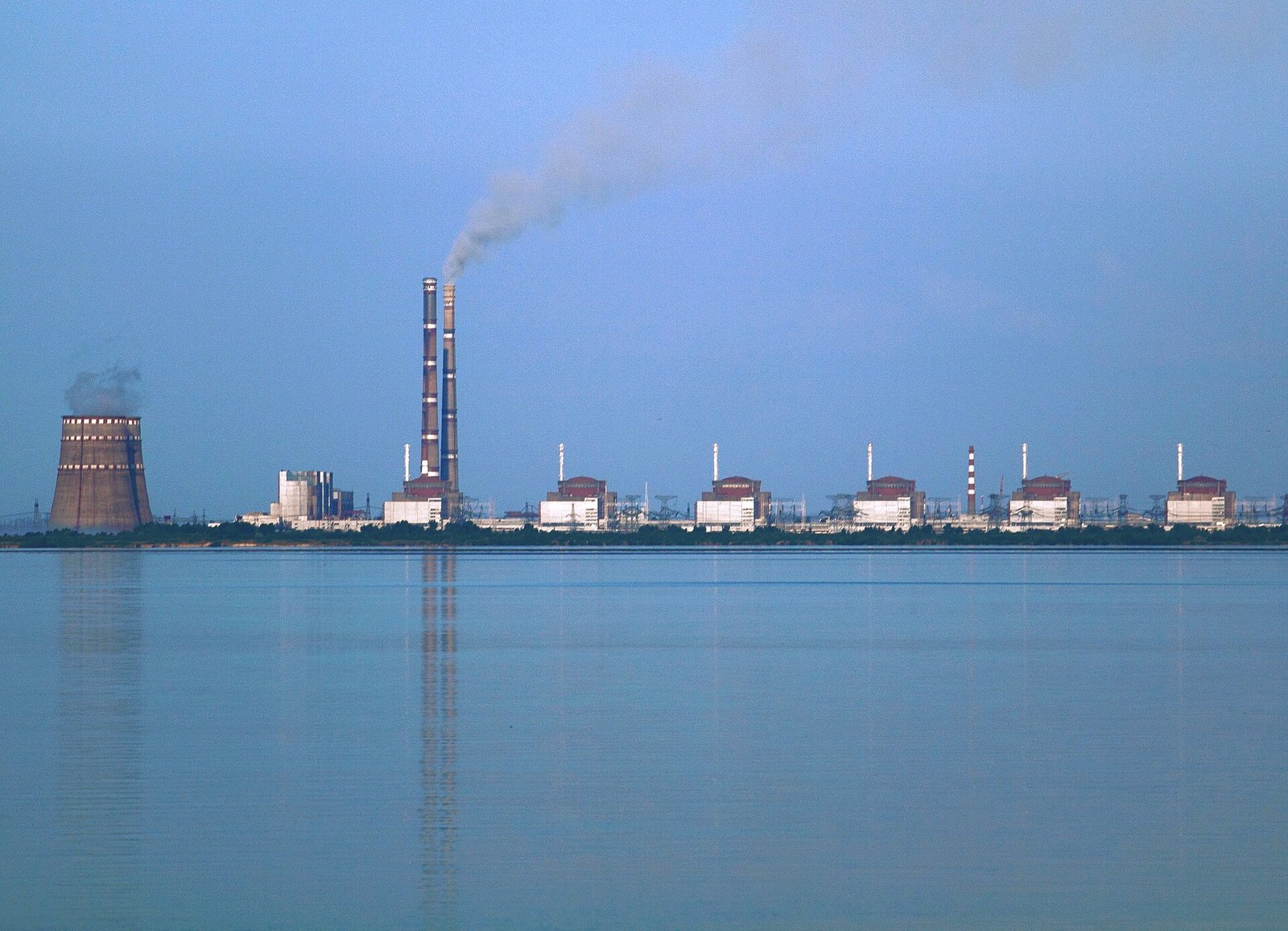
The warning follows a difficult week for Ukraine’s grid. The International Atomic Energy Agency said on Saturday that military activity had caused instability in the electricity supply, forcing power reductions at some operating nuclear units. Ukraine has four nuclear power plants, three of which are in operation and provide about 80% of the power used this winter. The fourth, Zaporizhzhia — Europe’s largest — is under Russian control near the front line. It is not generating electricity but still needs external power to keep its nuclear material cool, and it has lost off-site power 27 times since the war began, most recently relying on a single power line since late March.
Russia and Ukraine blame each other for strikes on the Zaporizhzhia plant and for severing the power lines that feed it.
Note: The featured image is a file photo of the Zaporizhzhia nuclear power plant, taken before the war.
Sources: Reuters — “Risk of nuclear accident in Ukraine increasing this winter, atomic safety regulators say” (https://www.reuters.com/business/energy/risk-nuclear-accident-ukraine-increasing-this-winter-atomic-safety-regulators-2026-11-16/)