








Record flooding has swamped two small towns straddling the Georgia–Tennessee border, forcing more than 140 rescues after overnight storms pushed the river between them to its highest level in more than 35 years.
Thunderstorms dropped between eight and ten inches of rain across the mountains of northern Georgia late on Wednesday and into Thursday, sending the Toccoa River surging through McCaysville, Georgia, and Copperhill, Tennessee. The river, which becomes the Ocoee River as it crosses into Tennessee, rose about 16 feet in 12 hours and crested at 18.05 feet at the gauge in Copperhill on Thursday morning, passing the previous record of about 17.8 feet set in February 1990.
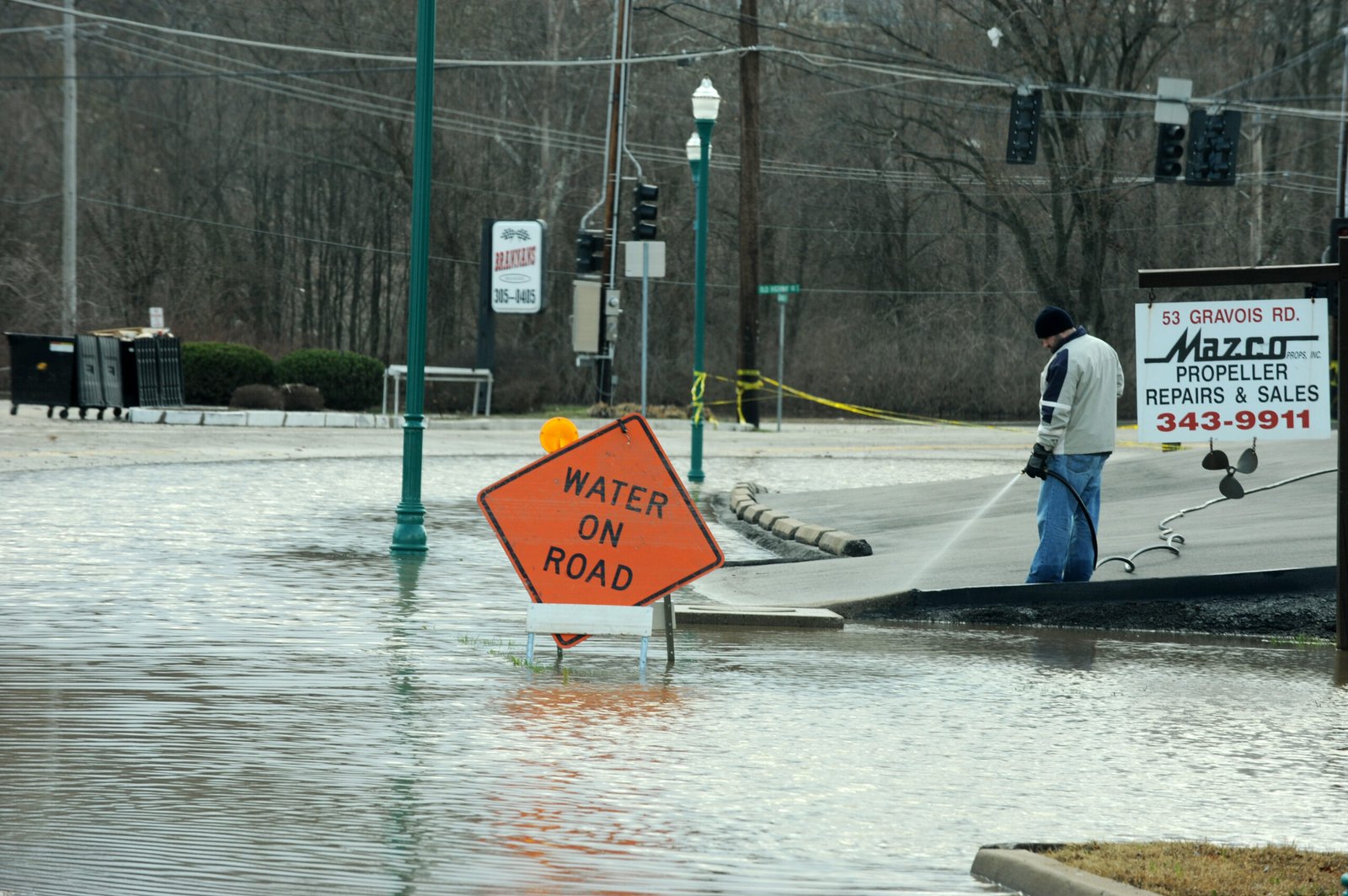
Water reached six to seven feet deep in parts of downtown McCaysville, a town of about 1,000 people, submerging some buildings to their rooflines and flooding shops and homes. Across the river in Copperhill, home to fewer than 500 people, streets were left under water and the town was closed to visitors as the clean-up began.
Emergency crews carried out at least 80 rescues in Georgia’s Fannin County, where 13 swift-water teams using nine boats worked through the night with help from US Army Rangers from Camp Merrill. In Tennessee’s Polk County, the Tennessee Highway Patrol and the National Guard coordinated a further 68 rescues. Some of those pulled from the water were treated for hypothermia. Officials said no deaths had been confirmed by Thursday afternoon and no major injuries had been reported.
Georgia Governor Brian Kemp declared a state of emergency on Thursday for Fannin, Gilmer, Murray and Union counties, unlocking state resources for the response and recovery. The Tennessee Emergency Management Agency activated its State Emergency Operations Center, and a state of emergency was also declared in Polk County.
The National Weather Service issued flash flood emergencies — its highest level of flood warning — for both towns in the early hours of Thursday, warning of an immediate threat to life. The Tennessee Valley Authority, which manages high water at three hydroelectric dams on the river, said the flooding was driven by runoff from uncontrolled streams after heavy rain fell between the north Georgia towns of Blue Ridge and Ellijay.
McCaysville’s water treatment plant was shut down during the flooding, and the town declared a local state of emergency, closing itself to unauthorised visitors while crews assessed damaged buildings and cleared streets buried under mud and debris. The floodwaters had largely receded by Thursday afternoon, and residents and emergency workers spent Friday clearing up and counting the damage. No comprehensive estimate of the financial losses was available.
The flooding followed a powerful cross-country storm system that brought heavy rain and severe weather to much of the eastern United States this week.
Sources: Associated Press, “Heavy rains flood towns, dozens rescued on Georgia-Tennessee border” (https://nowgeorgia.com/heavy-rains-flood-towns-dozens-rescued-on-georgia-tennessee-border/); Fox Weather, “State of emergency declared as flash floods force 140 rescues near GA-TN border” (https://www.foxweather.com/weather-news/state-of-emergency-rescues-flash-floods-georgia-tennessee-border.amp). River crest figures are provisional gauge readings from the US Geological Survey and the National Weather Service, and rescue totals combine counts reported by agencies at different points during the response.