









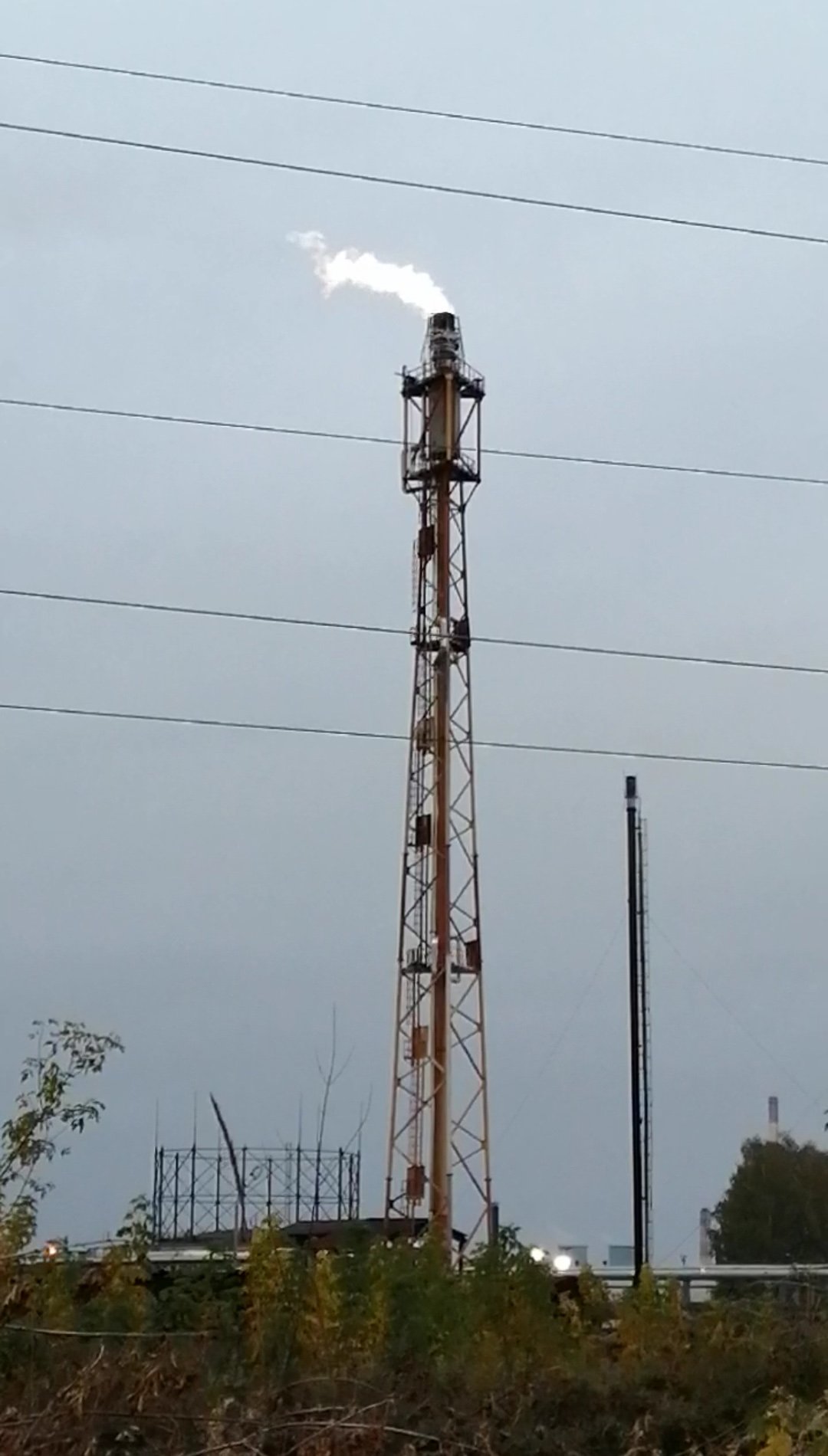
A fire broke out at the Slavyansk ECO oil refinery in Russia’s southern Krasnodar region on Thursday after a drone attack inflicted serious damage on the plant, the refinery’s operator said.
The company said the attack struck during a maintenance stoppage that has been in place since a drone strike in September, meaning the refinery was not operating when the latest attack hit. It said an atmospheric crude oil distillation unit sustained significant damage, storage facilities for heavy petroleum products were destroyed, and pipelines carrying heavy petroleum products and gasoline fractions were damaged.
Ukraine’s military intelligence service said its long-range drones carried out the strike on the plant in Slavyansk-on-Kuban, hitting key production units, the tank farm and transport pipelines. Regional officials reported that four people were injured in the wider Slavyansky district during the overnight attack.
The strike is part of a sustained Ukrainian campaign against Russian oil infrastructure. Kyiv has intensified attacks on refineries since late October, after an energy truce declared by US President Donald Trump in the middle of that month failed to hold. Ukrainian forces also struck a Transneft oil transportation and storage hub in Bashkortostan and the Marinovka airbase in the Volgograd region in the same overnight wave, according to Ukraine’s General Staff.
The campaign is taking a heavy toll on Russia’s fuel industry. According to estimates from two industry sources cited by Reuters, Ukrainian drone attacks have cut Russian refineries’ combined crude processing volumes by 45% since late October. The figure is an industry estimate rather than an official statistic, and neither side’s claims about the scale of the damage have been independently verified.
The repeated strikes on the same plants underline a shift in the campaign’s logic. Rather than hitting refineries once and moving on, Ukraine is returning to facilities while they are still being repaired, prolonging outages and forcing Moscow to divert air defences to protect energy sites far from the front line. For Russia, the loss of refining capacity is feeding through into fuel supplies at home and export earnings abroad, even as the Kremlin insists the damage is manageable.
Note: the damage details in this report come from the refinery operator and from Ukrainian military sources, and have not been independently verified.
Sources: Reuters, “Russian oil refinery in Krasnodar region on fire after drone attack” (https://www.reuters.com/business/energy/russian-oil-refinery-krasnodar-region-fire-after-drone-attack-2026-11-26/); The Gaze, “Ukrainian Drones Hit Slavyansk-ECO Oil Refinery in Kuban Again, Sparking a Fire” (https://thegaze.media/news/ukrainian-drones-hit-slavyansk-eco-oil-refinery-in-kuban-again-sparking-a-fire).