







For the first time in decades, babies in the United States are being born already infected with measles. Thirteen cases of congenital measles were reported to the US Centers for Disease Control and Prevention between the start of 2025 and 28 September 2026, according to preliminary figures published in a public health alert in NEJM Evidence.
Congenital measles occurs when a pregnant woman passes the virus to her foetus in the womb. It can cause serious complications and can be deadly for newborns. The same alert recorded 112 confirmed cases of measles during pregnancy across 16 jurisdictions in the same period, almost all among women who had not been vaccinated against measles or whose vaccination status was unknown.
Six of the 13 infants developed symptoms including fever, rash, conjunctivitis, a runny nose or a cough, and one showed signs of meningoencephalitis, an inflammation of the brain and its surrounding membranes, according to the CDC researchers behind the alert.
“This is a brand new phenomenon,” said Michael Osterholm, who directs the University of Minnesota’s Center for Infectious Disease Research and Policy, which partnered with NEJM Evidence on the alert. He said many women of childbearing age were not vaccinated over the last 25 years and never encountered measles either, because the disease had been beaten back. “Now, this group is highly susceptible to measles.”
The cases are the latest marker of how far measles has returned in the United States. The Pan American Health Organization announced on 17 November that the country had lost the measles-free status it had held since 2000, after the virus spread continuously for more than a year. The CDC had confirmed 5,412 measles cases in 2026 as of 12 November, the highest annual total since 1991, and more than 7,500 cases over the past two years.
Vaccination coverage has slipped below the level needed to stop outbreaks. In the 2025-26 school year, 92.4 per cent of kindergartners had received the measles, mumps and rubella (MMR) vaccine, short of the roughly 95 per cent threshold considered necessary to prevent sustained transmission. The vaccine is about 97 per cent effective in two doses, but it is a live vaccine and is not given during pregnancy, so protection depends on immunity built up before conception. Infants aged six months and older in outbreak areas can be vaccinated.
The risks for newborns are severe. The American Academy of Pediatrics says an estimated 25 to 30 per cent of babies born to someone who contracts measles shortly before delivery may become infected. Infected mothers are more likely to be hospitalised, develop pneumonia or die, while their babies face a higher risk of premature birth, low birth weight and admission to a neonatal intensive care unit. Children who develop congenital measles also face a greater risk of subacute sclerosing panencephalitis, a rare brain disorder that is almost always fatal.
The Washington Post has reported that US health officials last month blocked CDC scientists from issuing a nationwide alert to doctors through the agency’s Health Alert Network about the growing threat of measles in pregnancy. That report has not been independently verified by The Hourly News.
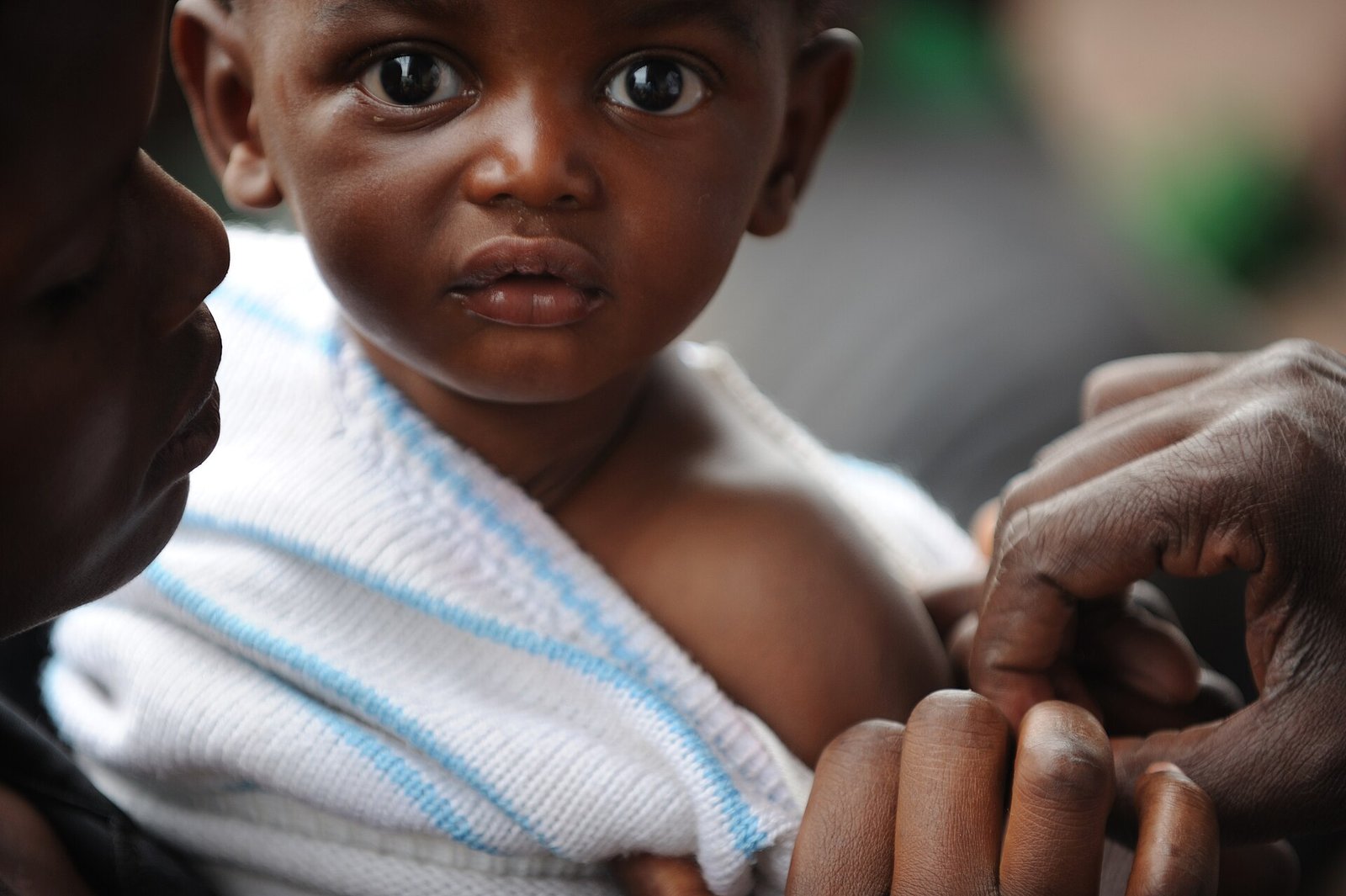
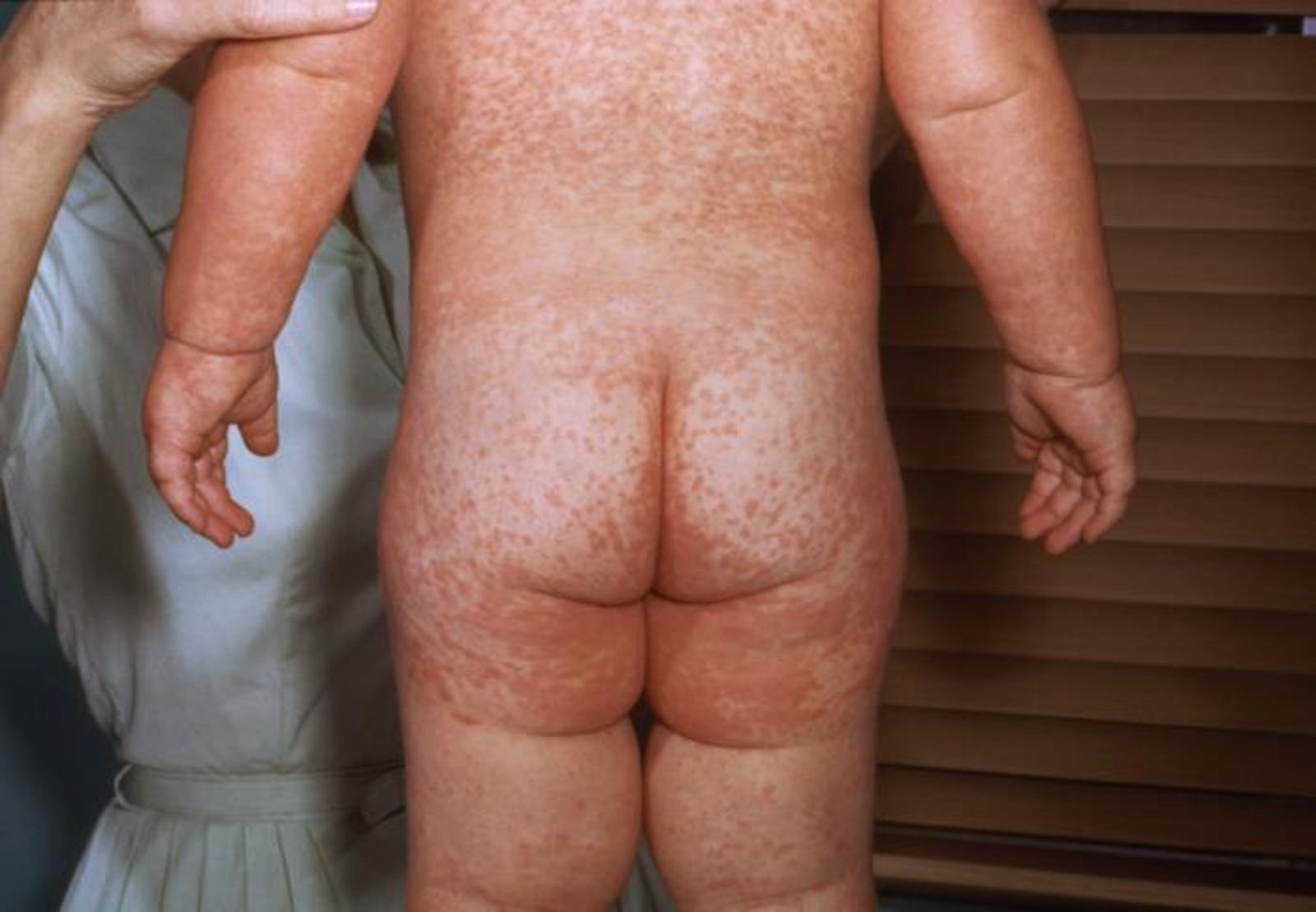
This is a file photo from the CDC’s Public Health Image Library (image PHIL 4497), not one of the infants in the reported cases.
Sources: Associated Press — “Doctors raise concerns about babies being born in U.S. with measles” (https://medicalxpress.com/news/2026-11-doctors-babies-born-measles.html); NEJM Evidence public health alert on measles in pregnancy, published 16 November 2026.