




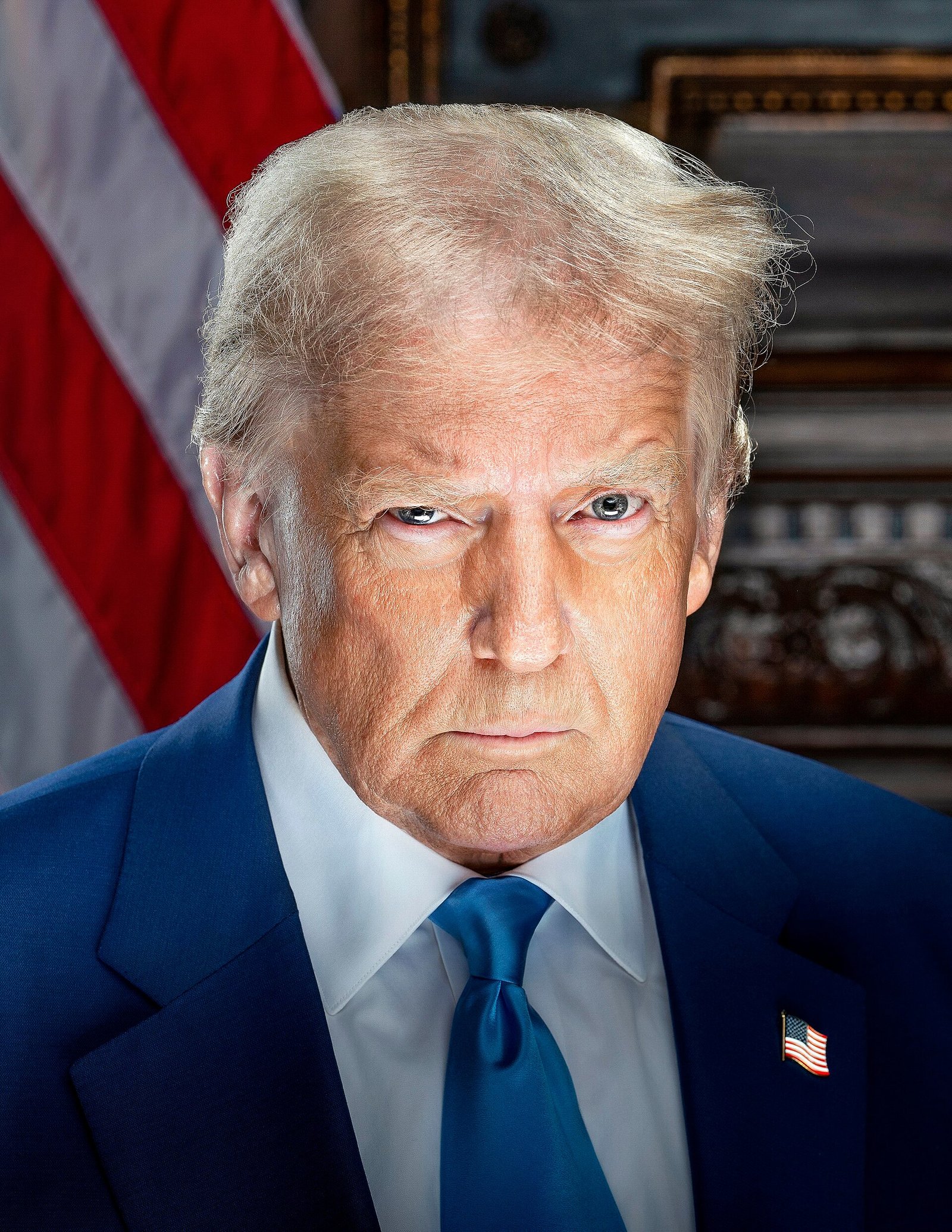
A federal judge in Florida has ordered President Donald Trump to sit for a deposition by 22 January in his $10 billion defamation lawsuit against the BBC, setting a new timetable for a case that has already forced Britain’s public broadcaster into an apology.
US District Judge Jeffrey Kuntz, sitting in Fort Lauderdale, gave both sides more time to exchange evidence after they jointly asked for an extension ahead of a possible trial. Discovery will now close on 29 January, and the parties must be ready for trial by 3 May.
The ruling replaces an earlier deadline of 11 December for Trump’s deposition. The BBC has accused the president of dragging his feet over sitting for questioning, but said in a court filing that it accepted his offer to be deposed at some point between 11 and 22 January. Trump’s personal lawyers deny he is seeking delays and say his official duties and security requirements make scheduling unusually difficult.
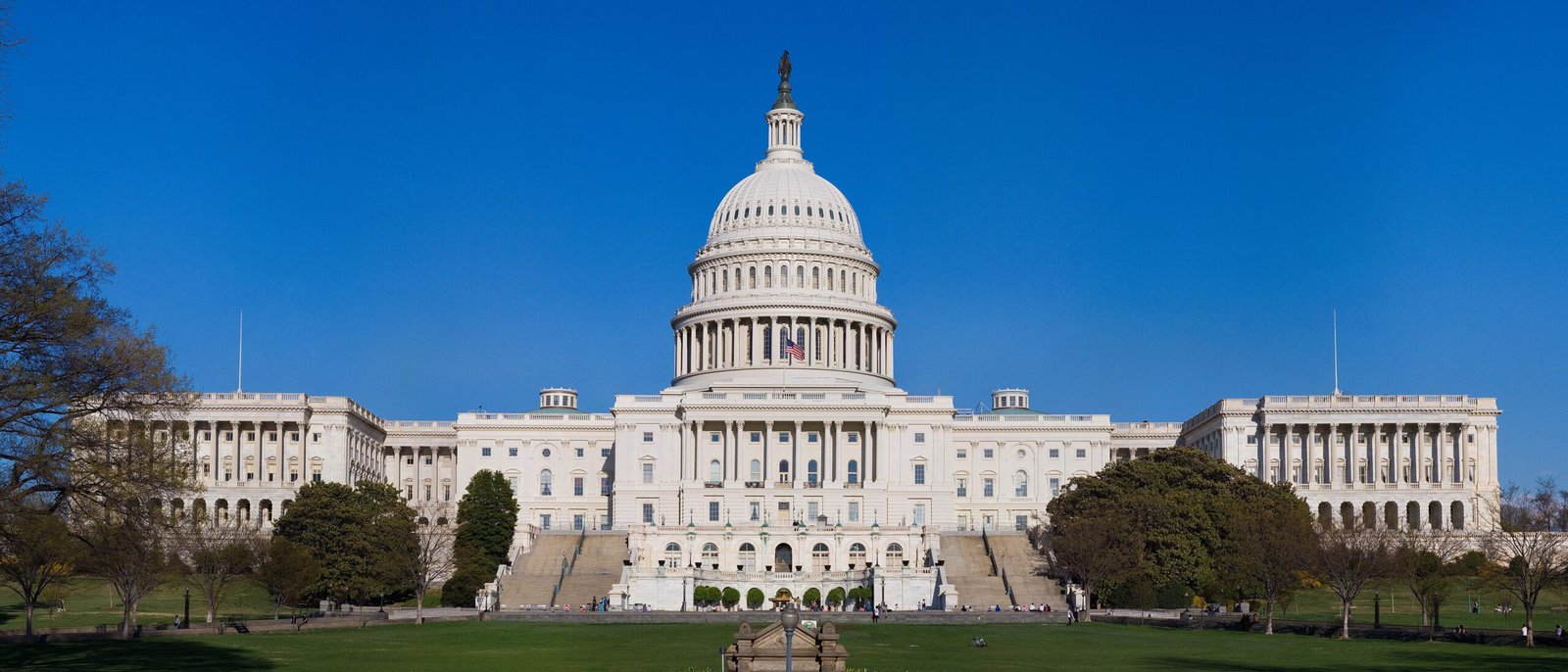
At the heart of the case is a BBC programme that spliced together clips of a speech Trump gave on 6 January 2021, the day supporters stormed the US Capitol after his election defeat by Joe Biden. Trump says the edit made it appear he had directed the crowd to march on Congress. The BBC has admitted the clip was misleading and apologised, but denies it is liable for defamation.
Kuntz rejected the BBC’s attempt to have the case dismissed on 10 November, while throwing out Trump’s separate claim of unfair trade practices. The ruling keeps the defamation claim alive and puts the president’s own account of the events of 6 January 2021 on a path to being tested under oath.
The case is unusual in several respects. A sitting US president pursuing a foreign public broadcaster through an American court is rare, and the $10 billion figure sought in damages is far larger than typical defamation awards. Legal experts will be watching whether the deposition, if it goes ahead in January, produces any material that shapes the trial or a settlement.
For the BBC, the stakes are reputational as well as financial. The broadcaster has already conceded the edit was wrong, and its defence will turn on whether the mistake amounts to defamation under US law, where public figures must show a publisher acted with knowledge of falsity or reckless disregard for the truth.
Sources: Reuters — “US judge extends deadline for Trump deposition in BBC defamation case” (https://www.reuters.com/legal/litigation/us-judge-extends-deadline-trump-deposition-bbc-defamation-case-2026-11-17/)