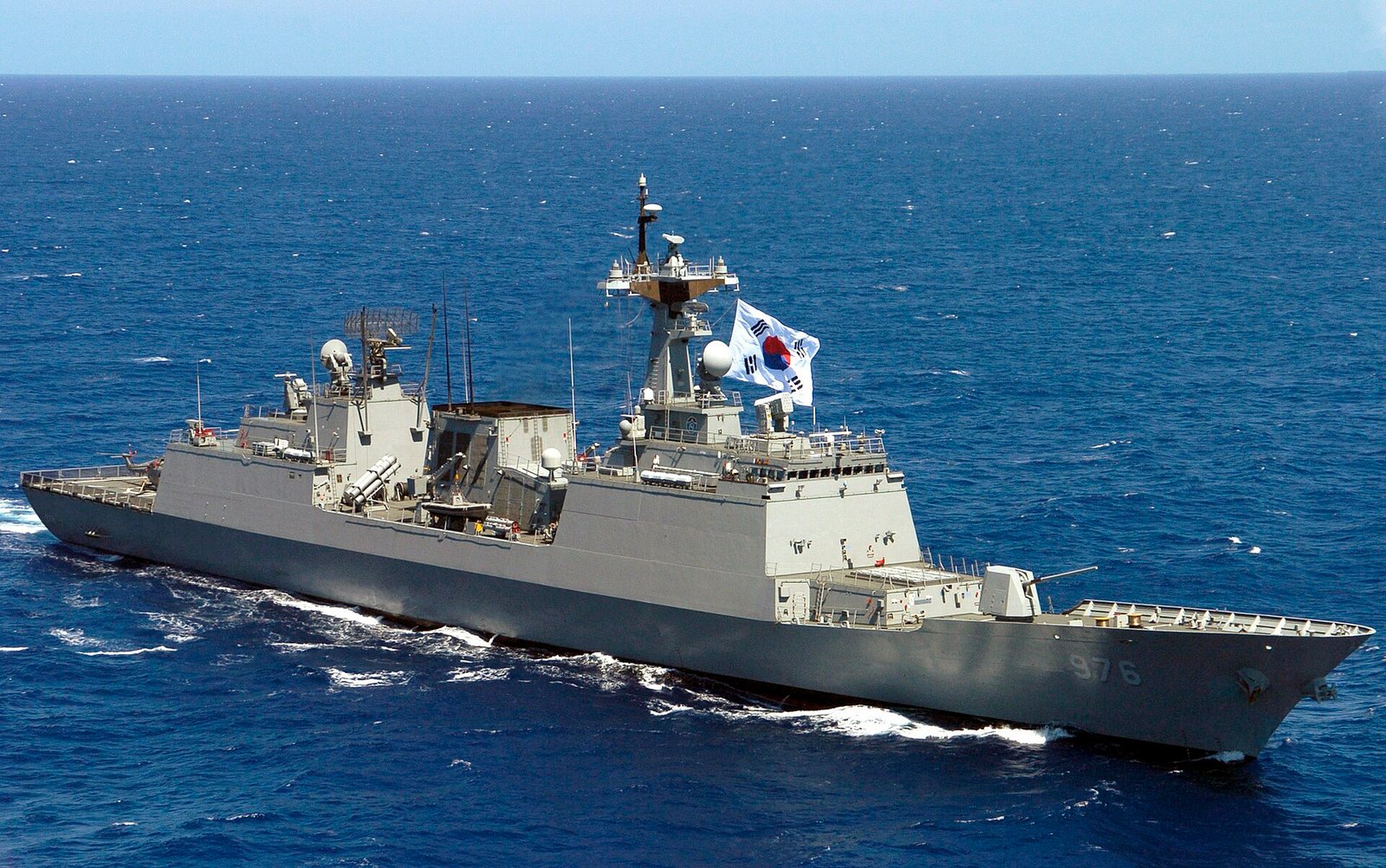







Iran’s Islamic Revolutionary Guard Corps said on Thursday that two oil tankers and a tugboat had caught fire in separate incidents after attempting to use unauthorised routes through the Strait of Hormuz.
One tanker struck a mine while attempting to cross a passage south of the strait, the IRGC said, while another supertanker caught fire while exiting the route in the eastern part of the waterway. A tugboat that approached the second vessel to help extinguish the fire also caught fire, the IRGC said.
The account so far comes from the IRGC alone, and it has not been independently verified. That single-source status matters: the strait is at the centre of a drawn-out war between the United States and Israel on one side and Iran on the other, and claims about shipping incidents there carry immediate political and market consequences.
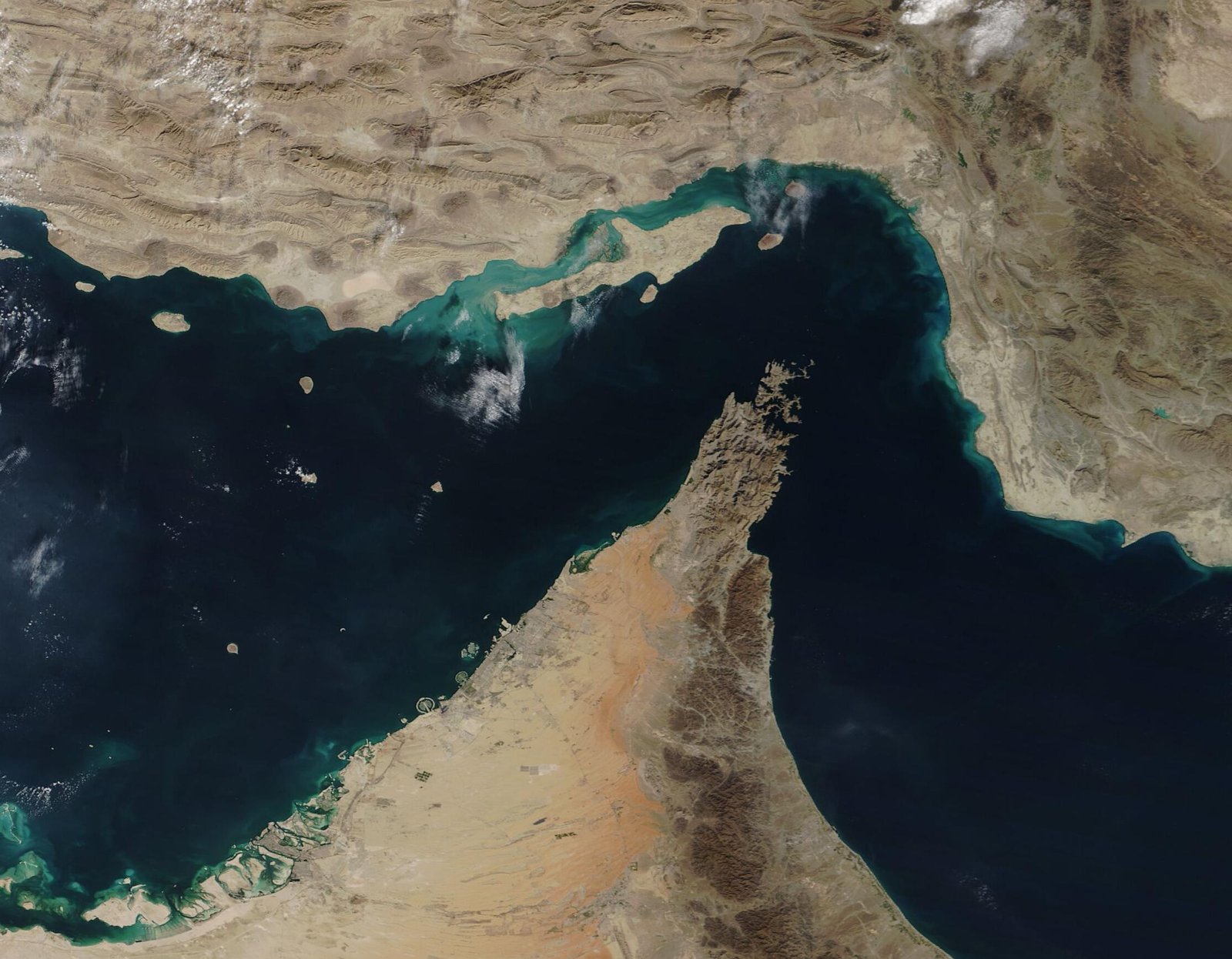
The Strait of Hormuz is the narrow waterway between the Persian Gulf and the Gulf of Oman, separating Iran to the north from the Arabian Peninsula to the south. It is one of the world’s most important oil transit chokepoints, and any disruption to traffic through it can quickly feed into global energy prices and shipping costs.
The incidents were reported on a day when oil prices were falling, not rising. Brent crude futures fell 97 cents, or 1.03%, to $93.65 a barrel as of 0211 GMT on Thursday, while US West Texas Intermediate crude fell $1.14, or 1.29%, to $86.98, extending a fourth day of declines. Both benchmarks had tumbled by more than 8% in the previous session to their lowest since 31 August.
Traders attributed the slide to expectations that the losses suffered by US President Donald Trump’s Republican Party in this week’s congressional elections could reduce the risk of further escalation of the war on Iran, and could push Trump towards a negotiated exit. A weakened president facing a Democratic Congress able to constrain his military options, analysts said, made a full-scale assault on Iran look less likely.
That market logic sits alongside a more cautious reading. Crude shipments through the Strait of Hormuz have recovered to close to pre-war levels, according to analysts, though at a higher cost, and JPMorgan said the global oil market had returned to a surplus of 1.1 million barrels per day in September, widening to 1.4 million barrels per day in October. At the same time, analysts cautioned that the incoming Congress would not take office until January, meaning US policy options had not immediately changed, and that geopolitical risks remained difficult to predict.
Thursday’s reported fires are a reminder of that uncertainty. Even as headline oil prices fall on hopes of de-escalation, the physical risks to vessels moving through the strait have not gone away, and shipping firms, insurers and governments will be watching for any independent confirmation of what happened, and for any sign that transit through the waterway is being disrupted.
Sources: Reuters, “Iran’s IRGC says two tankers and tugboat caught fire in Strait of Hormuz” (https://www.reuters.com/world/middle-east/irans-irgc-says-two-tankers-tugboat-caught-fire-strait-hormuz-2026-11-05/); Reuters, “Oil falls for a fourth day on expectations for lower risk of Iran war escalation” (https://www.reuters.com/business/energy/oil-falls-fourth-day-expectations-lower-risk-iran-war-escalation-2026-11-05/).