





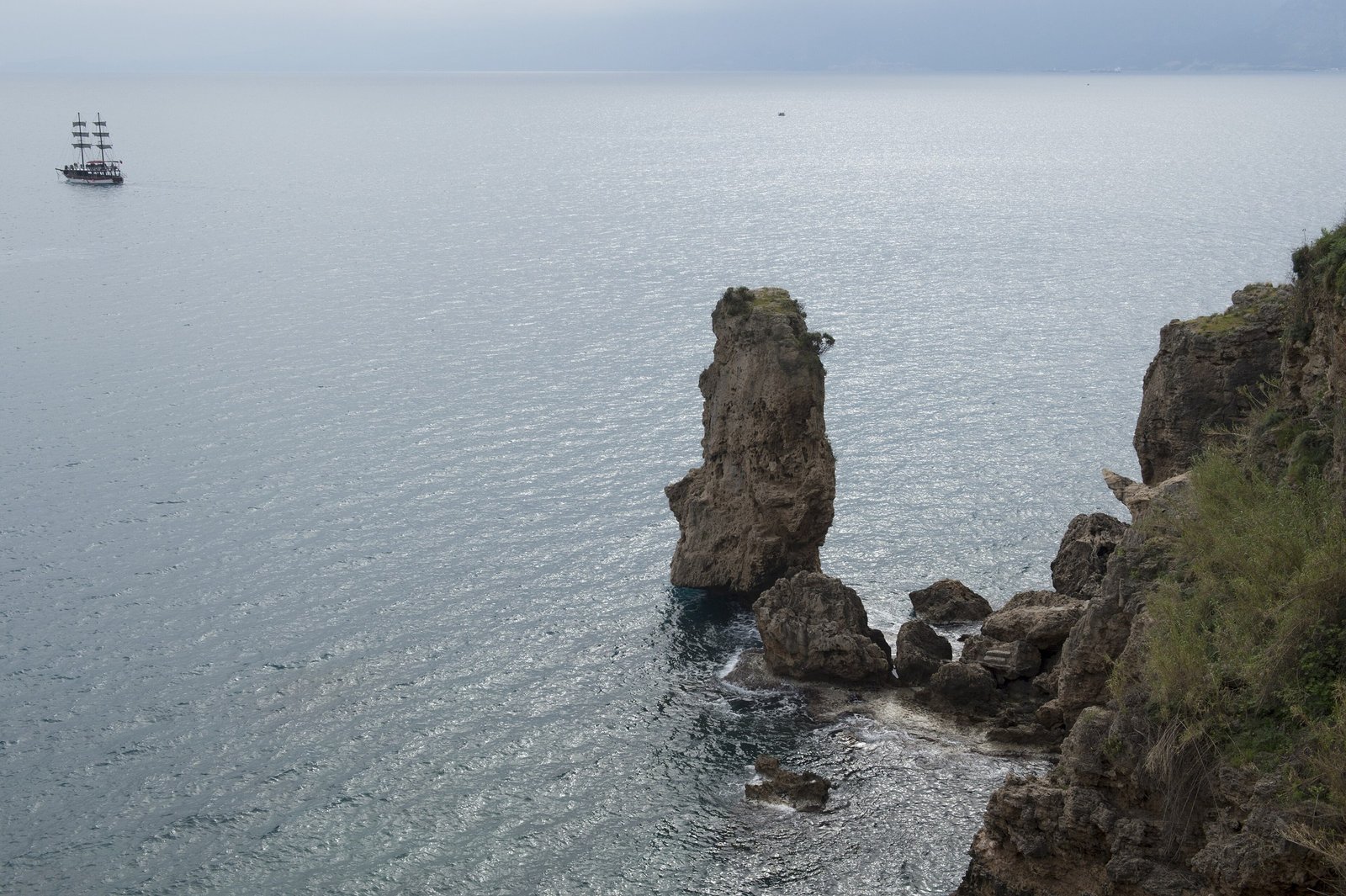
The 31st United Nations climate conference opens in Antalya on Monday, bringing delegations from nearly 200 countries together for two weeks of negotiations against a backdrop of war, record heat and an energy crisis that has reshaped the politics of fossil fuels.
The summit, known as COP31, runs from 9 to 20 November in the Turkish Mediterranean resort city. Around 60,000 people are expected to attend, with a leaders’ summit scheduled for Wednesday and Thursday. The opening plenary is set for 10am local time.
COP31 has an unusual leadership arrangement. Turkey holds the official presidency and hosts the conference, while Australia is responsible for leading the formal negotiations. Turkish environment minister Murat Kurum serves as conference president, with Australian climate and energy minister Chris Bowen chairing the talks.
Expectations for the outcome are modest. No landmark decision is expected at what negotiators describe as a transitional COP, with the focus instead on whether the meeting can send concrete signals on the energy transition, climate finance and adaptation. The COP30 presidency in Brazil has prepared a roadmap for moving away from coal, oil and gas, which is set to be presented in Antalya.
One of the headline proposals comes from the Turkish and Australian presidencies: a commitment to raise electricity’s share of global final energy consumption to 35 per cent by 2035, up from about 23 per cent today. The European Union backs the target, but has ruled out new climate finance pledges at this summit.
The talks open in a difficult moment for multilateral climate action. It is the first COP since the outbreak of war in Iran at the end of February and the closure of the Strait of Hormuz, which triggered one of the gravest energy crises in years. The United States is expected to be absent after its withdrawal from the Paris Agreement took effect on 27 January 2026, and French President Emmanuel Macron is not attending the leaders’ summit.
The conference also follows a year of extreme weather. Last week, the EU’s Copernicus service said 2026 was almost certain to breach 1.5°C of warming above pre-industrial levels, the threshold at the heart of the Paris Agreement, after October set a new global heat record.
Australia’s Bowen, who will chair the negotiations, has said the summit has to produce something visible. Whether a divided world can deliver even that will become clear over the next two weeks.
Sources: Le Monde, “COP31 conference: Turkey aims to move climate up the agenda in a crisis-rocked world” (https://www.lemonde.fr/en/environment/article/2026/11/08/cop31-conference-turkey-aims-to-move-climate-up-the-agenda-in-a-crisis-rocked-world_6775243_114.html) and “COP31: Can global climate conferences be reformed?” (https://www.lemonde.fr/en/environment/article/2026/11/08/cop31-can-global-climate-conferences-be-reformed_6775144_114.html); The Guardian, “Climate talks open in Turkey with finance and fossil fuels at stake” (https://worldrightnowlive.com/story/cop31-must-deliver-climate-progress-that-people-can-see-is-real-host-s).