




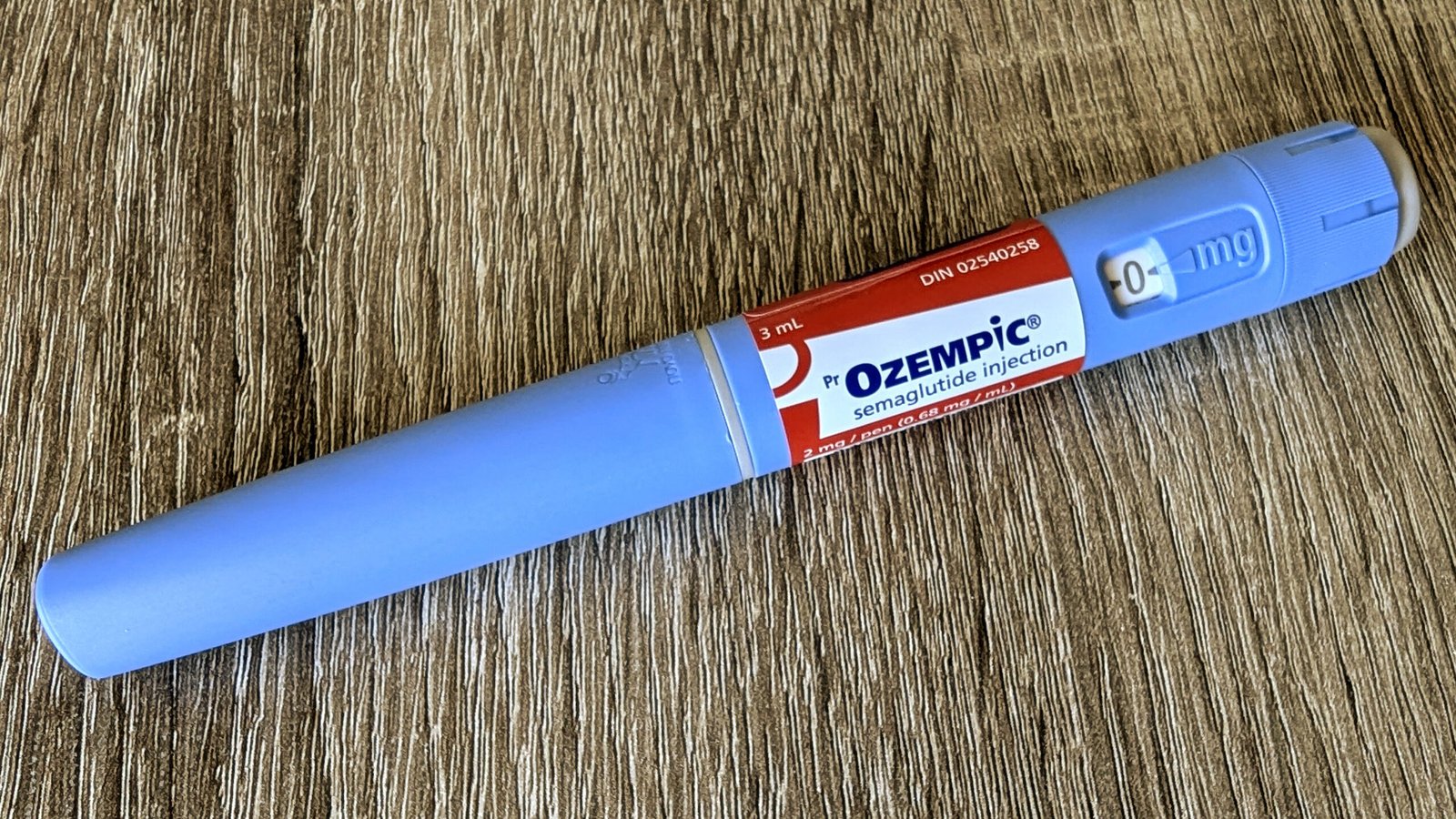
The US Food and Drug Administration has ordered a new warning on every GLP-1 weight-loss and diabetes drug sold in the United States, after finding a potential increased risk of a rare eye condition that can cause sudden and permanent vision loss.
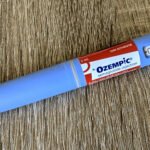
The regulator said on Monday that makers of all glucagon-like peptide-1 receptor agonists — about a dozen products including Ozempic, Wegovy, Mounjaro and Zepbound — must add information about non-arteritic anterior ischemic optic neuropathy, known as NAION, to the Warnings and Precautions section of their labels.
NAION is caused by reduced blood flow to the front of the optic nerve. It typically strikes without pain, causing sudden decreased vision in one eye, and the damage is usually permanent. Patients may also notice blind spots, tunnel vision, distorted colours or hazy patches. The FDA said anyone taking a GLP-1 drug who notices such symptoms should contact a health care professional immediately.
The decision follows a review prompted by a 2024 study in JAMA Ophthalmology that first linked semaglutide, the active ingredient in Ozempic and Wegovy, to the condition. The FDA examined clinical trial data, animal studies, adverse event reports, observational research and its own real-world evidence, and concluded there was enough evidence of a possible association to require the warning.
The numbers involved are small. Across a meta-analysis of 126 randomised controlled trials covering 134,253 patients, the FDA found 15 probable cases of NAION — 10 in patients taking a GLP-1 drug and five in patients given a placebo. That works out at 6.4 cases per 100,000 person-years among GLP-1 users, against 3.8 per 100,000 in comparison groups. The agency was clear that it has not established that the drugs cause the condition, and its review of animal data found no mechanism by which they would.
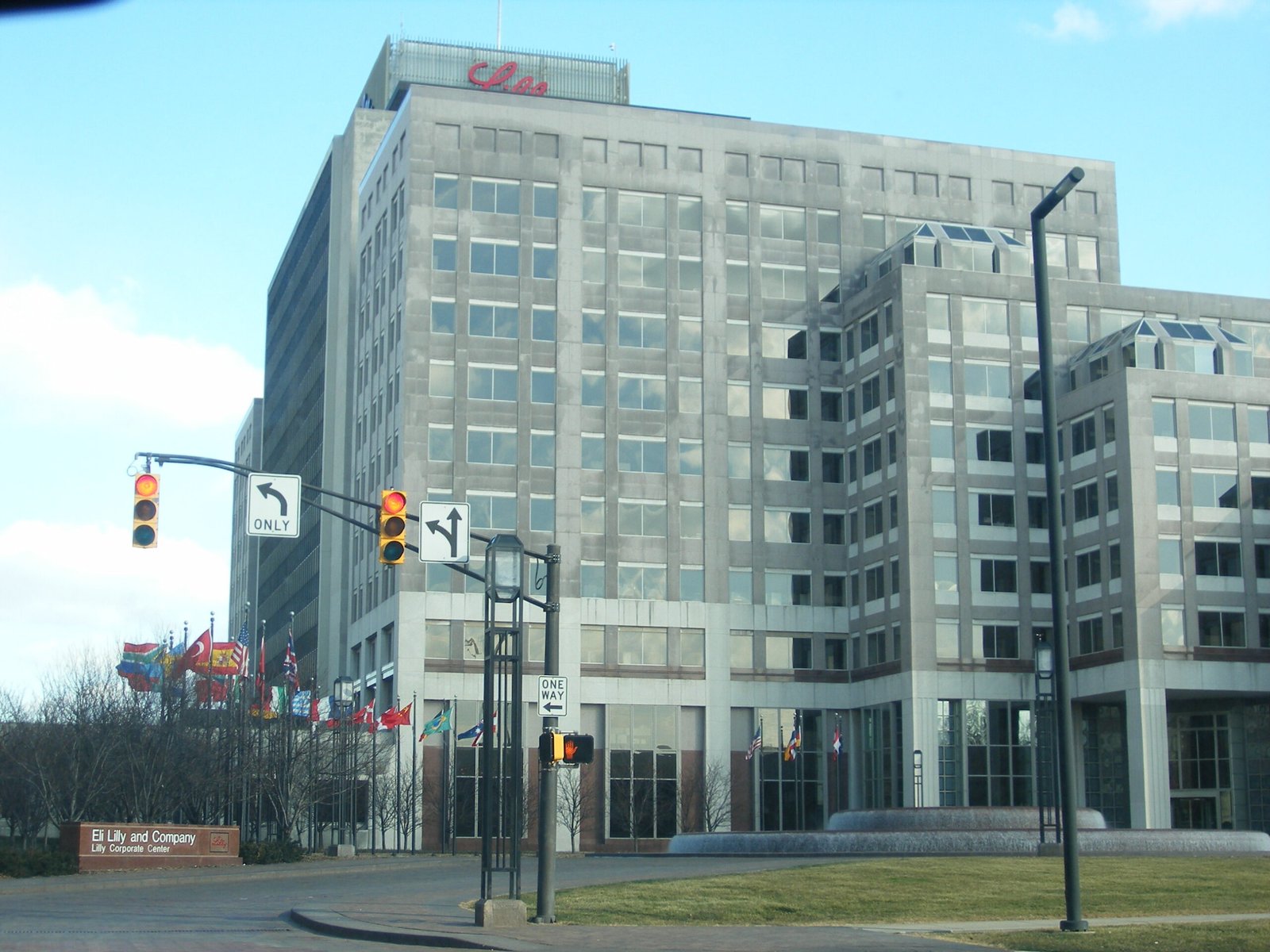
The drugmakers have pushed back on the idea of a causal link. Novo Nordisk, which makes Ozempic and Wegovy, said the available research does not establish that its medicines cause NAION. Eli Lilly, maker of Mounjaro and Zepbound, has likewise denied a significant link, and both companies are facing lawsuits from patients who say the drugs damaged their eyesight.
The warning is not the first of its kind. Europe’s medicines regulator listed NAION as a very rare side effect of semaglutide in 2025, saying it may affect up to 1 in 10,000 people taking the drug for at least a year. Similar warnings already appear on labels in the UK, the European Union, Australia and Japan. The US move extends the requirement to the whole class, from older drugs such as liraglutide and dulaglutide to orforglipron, a newer oral GLP-1 approved this year.
Sources: US Food and Drug Administration, “FDA requires safety labeling changes for glucagon-like peptide-1 receptor agonists (GLP-1 RAs) due to potential increased risk of rare but serious eye condition”, 9 November 2026 — https://www.fda.gov/drugs/drug-safety-communications/fda-requires-safety-labeling-changes-glucagon-peptide-1-receptor-agonists-glp-1-ras-due-potential ; USA Today, “FDA says popular GLP-1 drugs linked to rare risk of vision loss, blindness”, 9 November 2026 — https://www.usatoday.com/story/money/personal-finance/healthcare/2026/11/09/glp-1-warn-users-vison-loss-blindness-fda/92692011007/