







The Trump administration has promised more than $15 billion in payments and initiatives to American agriculture producers in the final weeks before Tuesday’s midterm elections, in a push aimed at easing the cost pressures that have squeezed farm incomes this year.
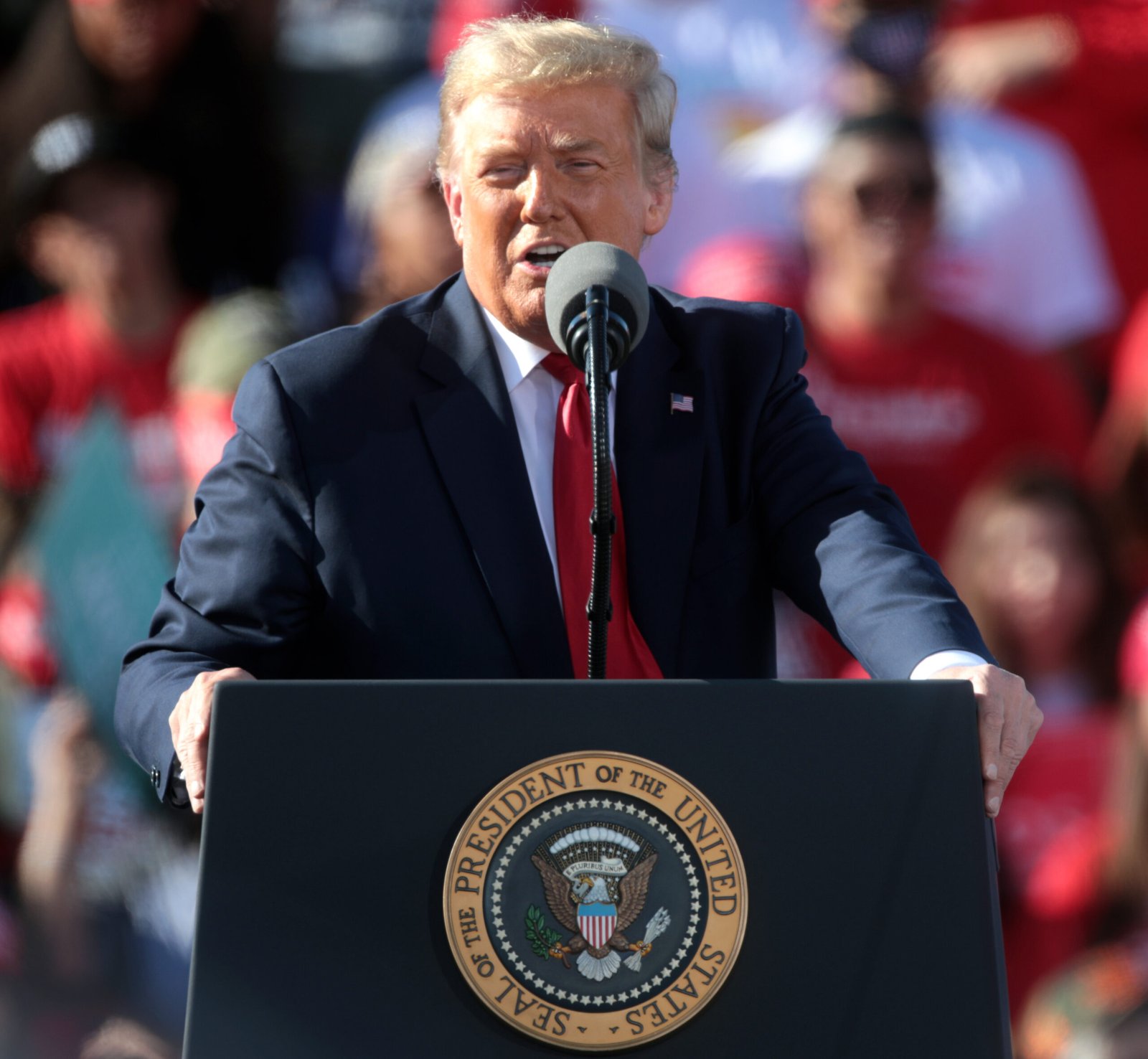
The package is designed to offset sharply higher diesel and fertiliser costs, which farmers have blamed largely on the administration’s tariffs and the war in Iran. Whether it persuades more voters to turn out in agricultural states where traditionally Republican seats are now seen as competitive remains unclear — but it may help explain President Donald Trump’s increased attention to rural areas, including visits on Sunday to Iowa and Kansas, two days before the election.
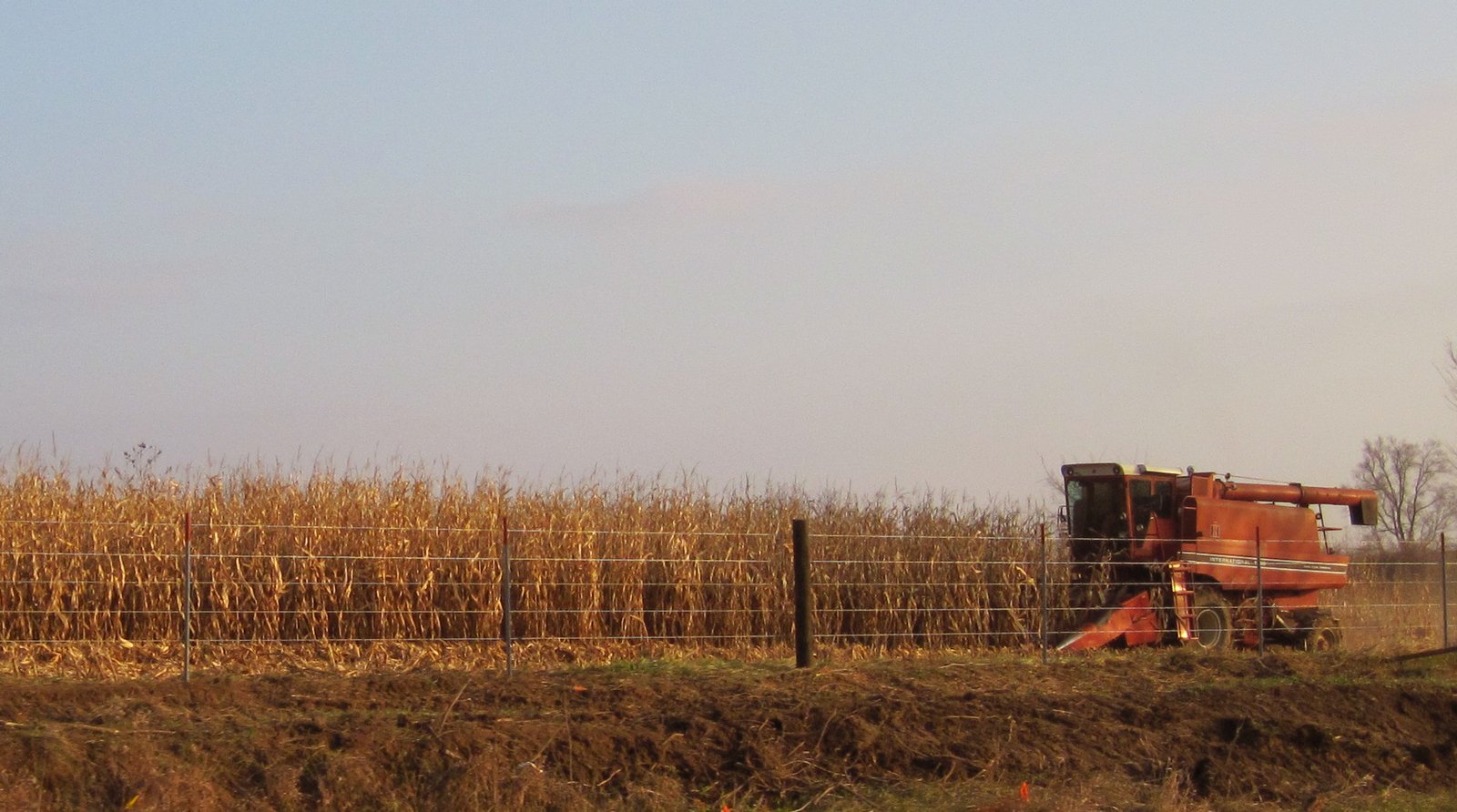
More than half of the $15 billion will go to a one-time, $8 billion Harvest Fuel Relief payment for farmers hit by soaring diesel prices. The Department of Agriculture (USDA) has said it will release more details about the payments this month, but it is not yet clear when the money will actually reach farmers, who rely on diesel for trucks, tractors and combines.
The rest of the package includes at least $5 billion in guaranteed loans for ranchers and fishermen, $1.8 billion for producers and landowners in conservation programmes, $573 million for fertiliser manufacturing projects, $86.6 million in grants for specialty crop innovation and $57 million to expand meat processing capacity. On Thursday the USDA also said it would buy up to $472.5 million in agricultural commodities to support producers and supply charitable programmes.
Separate from the $15 billion, the USDA plans $13.8 billion in safety-net payments for eligible producers for the 2025 crop year, covering shortfalls for growers of key crops such as corn, soybeans, wheat and rice.
The scale of the squeeze is stark. Diesel averaged $6.32 a gallon on Friday, according to motor club AAA — down slightly from its September peak, but about 70% higher than a year ago. Filling a 100-gallon tank now costs $260 more than it did twelve months ago.
Farm management specialists say the payments should more than cover this year’s increase in fuel costs and help with fertiliser bills, and could be the difference between profit and loss for many farms this year. But they caution that one-off payments do not fix the underlying problems: tariffs that raised equipment costs last year, and a trade dispute with China that has brought a near-boycott of US agricultural goods.
The politics are finely balanced. Rural voters, including farmers and those who depend on the agricultural economy, have been one of Trump’s most important voting groups. Yet some of his policies have hurt the industry: deportations have threatened the farm labour force, and cuts to foreign aid and food assistance have reduced markets for farm products.
Political scientists in Kansas say they hear mixed reactions from farmers — relief that their businesses may survive this year, alongside frustration that the programmes are one-time bailouts rather than a lasting solution. With cost of living and access to health care ranking as top issues for rural voters, some frustrated voters may not switch parties, but could sit the election out or vote independent — and in tight races, independent voters may decide the outcome.
Note: the timing of the farm payments is not yet confirmed; the USDA has said further details will follow this month.
Sources: Associated Press, “Trump administration promises US farmers $15 billion in weeks before the midterms”, 1 November 2026, https://www.tricityrecordnm.com/articles/associated-press-new-mexico/trump-administration-promises-us-farmers-15-billion-in-weeks-before-the-midterms/