








The Federal Communications Commission has authorised SpaceX to deploy up to one million satellites designed to operate as data centres in orbit, in the first approval of its kind in the United States.
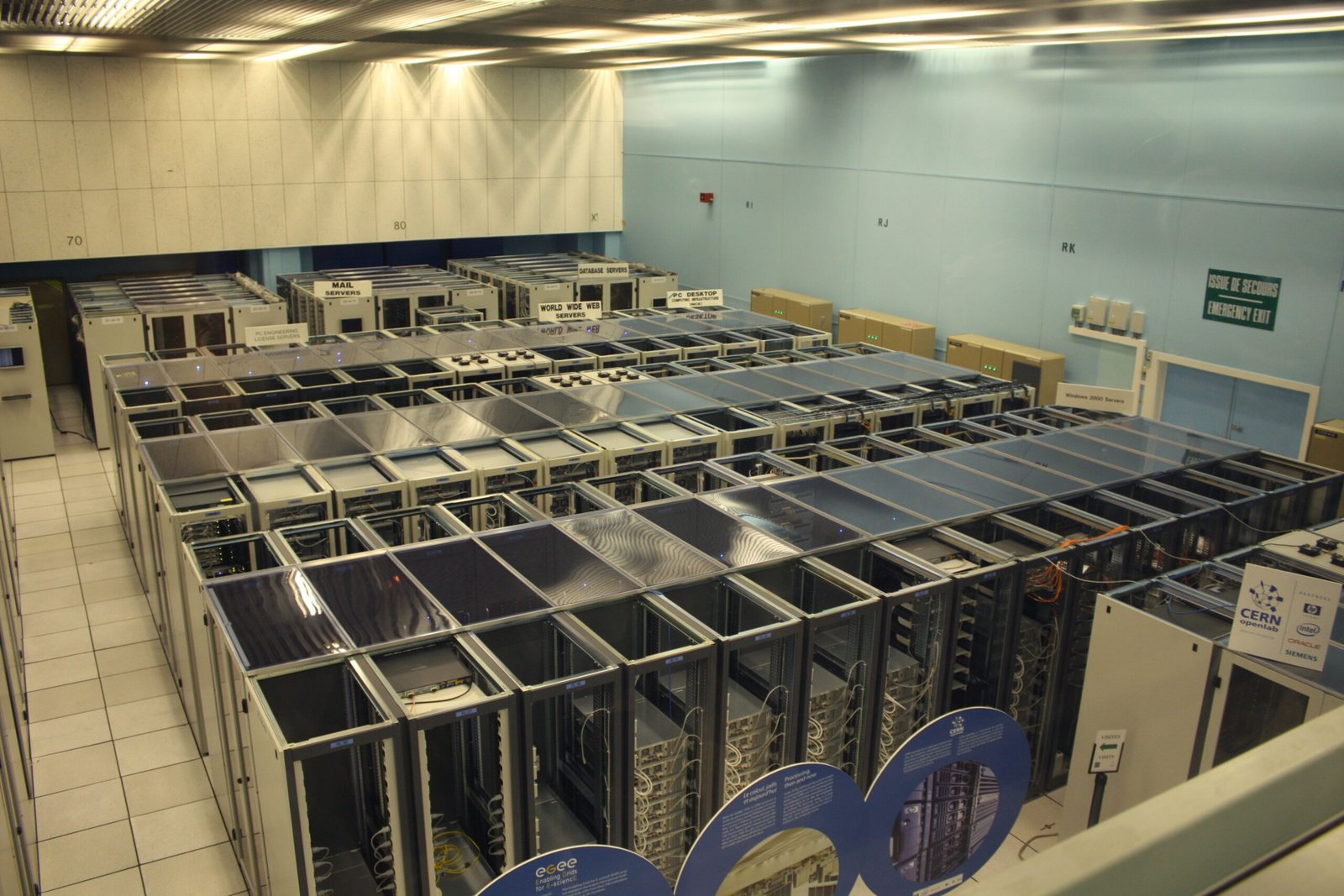
The agency announced the decision on Wednesday, clearing the company’s planned “Starmind” constellation to process vast amounts of data in space for use back on Earth. SpaceX says the solar-powered satellites, which it calls orbital compute modules, would help meet the rapidly growing demand for computing power driven by artificial intelligence.
The scale of the approval is without precedent. Around 17,000 satellites currently orbit the Earth, and SpaceX’s own Starlink broadband network, the largest ever assembled, accounts for just over 11,000 of them. A full Starmind constellation would increase the total number of satellites in orbit roughly fifty-fold.
FCC Chair Brendan Carr described the decision as a historic first, saying the constellation would bring humanity closer to harnessing “the full power of the sun” and help extend America’s lead in superintelligence. SpaceX first applied for permission to launch the network in January, and the FCC opened the proposal to public comment the following month.
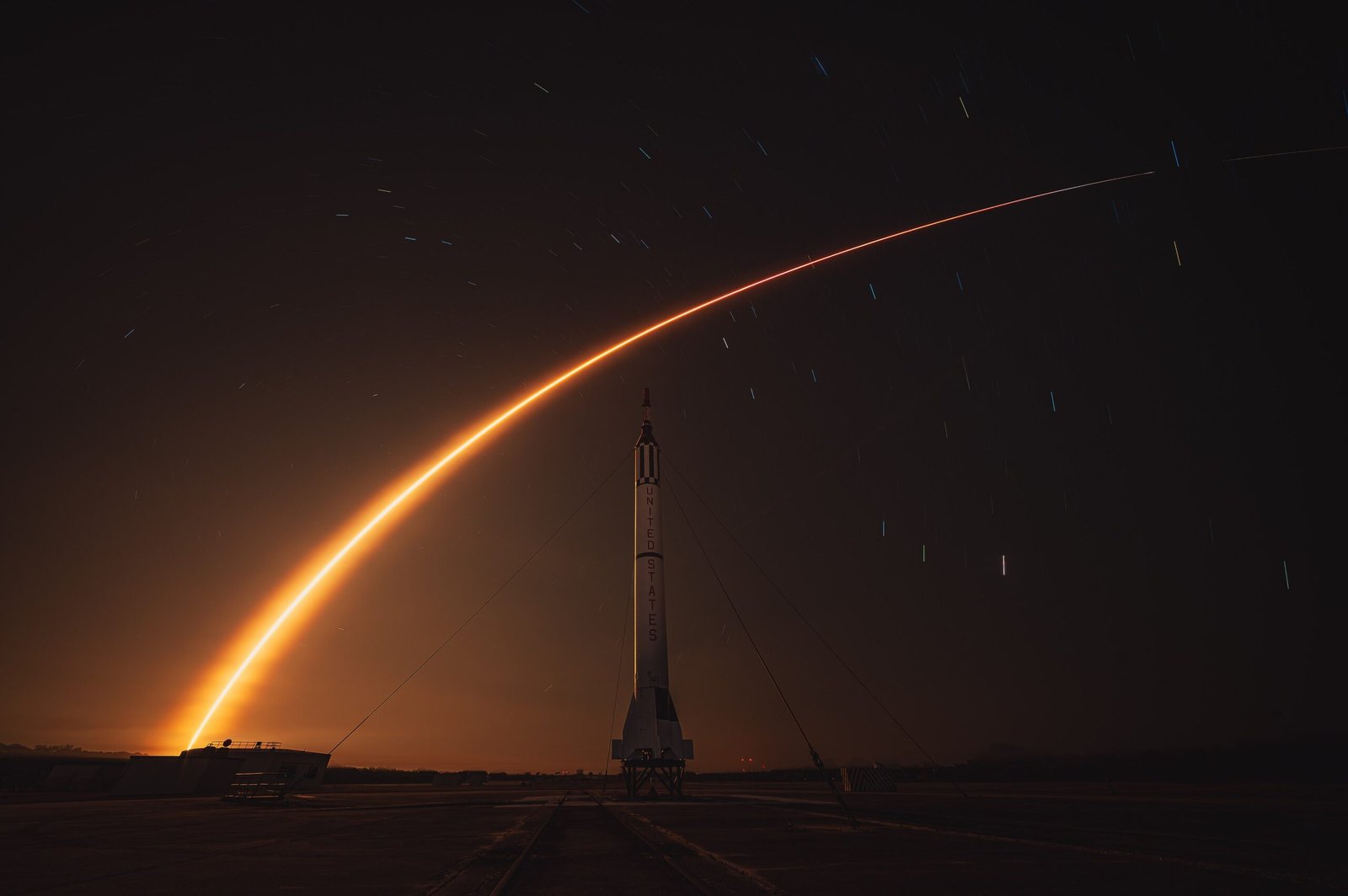
The authorisation comes with strict deployment deadlines. SpaceX must put its first operational Starmind satellite into orbit by November 2033, reach 100,000 satellites by November 2035 and 500,000 by November 2038, with the full constellation to be deployed by 2040. The satellites would fly in shells between 500 and 1,002 kilometres above the Earth, linked by laser communications.
The company has said it plans to launch its first space-based data centres in 2027 and expand through 2029. Other companies, including Google and Blue Origin, are pursuing similar orbital computing concepts.
Not every part of SpaceX’s proposal was approved. The FCC deferred a decision on the company’s request to move dead satellites into so-called graveyard orbits at the end of their lives, rather than bringing them down to burn up in the atmosphere, saying SpaceX had not provided enough information to assess whether its alternative disposal methods met the rules.
Scientists have reacted with scepticism and alarm. Astronomers warn that a constellation of that size would transform the night sky, while researchers have raised concerns about orbital debris and the atmospheric pollution caused by thousands of satellites burning up on re-entry. Whether the concept can live up to its ambitions remains an open question, and it is far from certain that SpaceX will ever launch anything close to a million satellites.
Sources: Reuters — “US authorizes SpaceX to deploy 1 million satellites for data centers in space” (https://www.reuters.com/business/media-telecom/us-authorizes-spacex-deploy-1-million-satellites-data-centers-space-2026-11-25/); USA Today — “FCC approves SpaceX plan for 1 million data center satellites in space” (https://www.usatoday.com/story/tech/space/2026/11/25/fcc-approves-spacex-data-center-satellites/92959168007/)