







Scientists at Rutgers Health have discovered a molecule produced by friendly gut bacteria that rapidly repairs damaged intestinal lining, offering a possible new route to treating inflammatory bowel disease and other chronic gut disorders.
The molecule, known as (amide-)N-methylnicotinamide, or N-MNA, works by topping up levels of a coenzyme called nicotinamide adenine dinucleotide, or NAD. NAD is essential to the way cells produce energy, and its levels fall with age — a decline widely thought to be one of the drivers of ageing itself. Human cells do not appear to make N-MNA, but some of the bacteria living in a healthy gut do.
In experiments published in the journal Science Advances, the researchers showed that N-MNA speeds the repair of damaged gut tissue by stimulating intestinal stem cells to regenerate. Mice with inflamed and damaged colons that received no treatment lost a fifth of their body weight and died, while those given N-MNA lost only 5 per cent and recovered. In fruit flies with damaged digestive tracts, the molecule raised seven-day survival from 43 per cent to 78 per cent.
The team also traced the molecule into human colon cells, where it supplied about 22 per cent of their NAD within 24 hours. And in stool samples from 54 patients with inflammatory bowel disease and 20 healthy volunteers, those with the lowest N-MNA levels had significantly higher markers of gut inflammation — a link that supports, but does not prove, a role for the molecule in human disease.
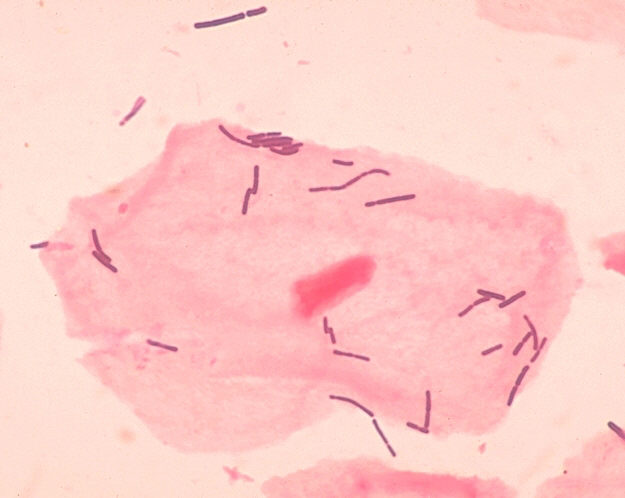
There are important limits to the findings. The researchers did not test N-MNA treatment in any patients, and they did not test whether eating probiotic strains that make N-MNA — including Lactobacilli found in yoghurt and oral supplements — raises NAD levels in people. Any treatment based on the discovery is years away: the team has received a five-year, $3.6 million grant from the US National Institutes of Health to identify the human enzymes that process N-MNA, and Rutgers has filed a provisional patent application covering its uses.
Even so, the study fills a long-standing gap in understanding how the body replenishes a coenzyme it cannot easily replace. If the mechanism holds up in people, a molecule already made inside the gut could become the basis for therapies that help the intestine heal itself — rather than simply suppressing the inflammation that damages it.
Sources: Rutgers University (https://www.rutgers.edu/news/microbe-made-molecule-linked-aging-reverses-gut-damage-mice-and-flies) and Science Advances.