







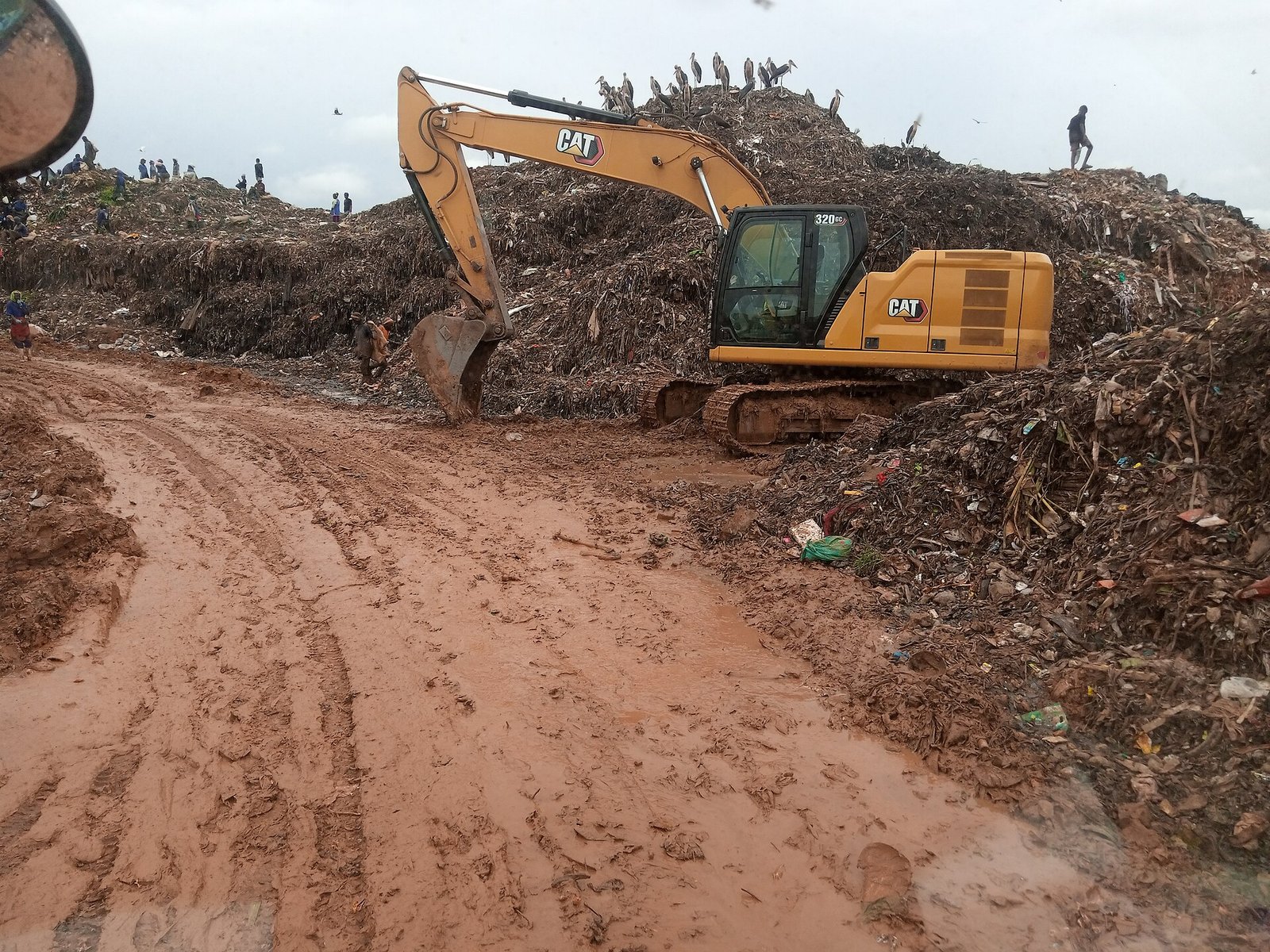
In the countryside west of Istanbul, trucks queue to tip household waste from a city of 16 million people onto a vast expanse of decomposing rubbish. Gas from the buried waste is captured and burned to generate electricity at a nearby plant. But high above the site, satellites have detected what the capture system misses: methane escaping at a rate that ranks the landfill among the largest recorded emitters of its kind in the world.
The findings come days before Turkey hosts COP31, the UN climate summit, in Antalya from 9 to 20 November, with methane reduction set as a priority for the talks. Methane is the biggest driver of climate change after carbon dioxide, and is more than 80 times as potent as CO2 over its first 20 years in the atmosphere. Sharp cuts could therefore slow warming relatively quickly.
Researchers at the University of California, Los Angeles, analysed public data from the Tanager-1 satellite collected by the emissions-monitoring non-profit Carbon Mapper between January 2025 and the end of May 2026. They identified 70 methane plumes from Turkey’s 10 highest-emitting waste sites, with average detected rates ranging from 841kg to 7.4 tonnes an hour. Three of the sites were around Istanbul, with others near Ankara, Izmir and Antalya itself.
The Seymen landfill west of Istanbul recorded the highest average rate, about 7.4 tonnes an hour — just below the highest-emitting landfill on a global list compiled in 2025. “What stands out is how big its emissions are and how persistently large they are,” said Tia Scarpelli, Carbon Mapper’s waste sector lead. She said tackling the largest landfills could deliver disproportionate gains, through better-designed collection systems and repairs to cracked covers or faulty gas wells.
Turkey is the world’s fifth-biggest emitter of methane from solid waste, behind China, the United States, Russia and Brazil, according to the non-profit tracker Climate TRACE. Methane emissions from waste in Turkey rose nearly 25% in the decade to 2024, against a global rise of 6.5%, according to World Bank data based on the European Commission’s EDGAR database. Waste emissions have held at around 21 million tonnes of CO2 equivalent a year since 2020.
The figures are contested. Turkey’s Environment Ministry said the satellite data were not from continuous measurements and could not be used to calculate annual emissions at Seymen. ISTAC, the municipal operator, said its own readings typically ranged between four and six tonnes an hour, and that a single reading of 12 tonnes an hour on one day — when about 30 hectares of the site lay uncovered during pipe work — had lifted the average. It said methane leaks at the site were usually around 25%.
Turkey has also stayed outside the Global Methane Pledge, launched at COP26 in 2021, under which more than 150 countries back a collective 30% cut in methane emissions from 2020 levels by 2030. Selim Yildirim, a climate policy researcher at the Ankara-based non-profit D84, said Turkey could still join during COP31, but warned that signing up would not guarantee results without regulation to push operators to capture and reuse the gas. For residents living near Seymen, the problem is more immediate: the smell of decomposing waste drifts into homes in the early hours, waking people before dawn.
Sources: Reuters — “As COP31 comes to Turkey, satellites reveal a landfill methane problem” (https://www.reuters.com/sustainability/cop/cop31-comes-turkey-satellites-reveal-landfill-methane-problem-2026-11-07/)