







Senegal’s parliament has voted against the government’s revised budget, deepening a political standoff that threatens the country’s efforts to secure a new support programme from the International Monetary Fund.
Lawmakers rejected the amended bill on Tuesday, with 109 of the 132 members who took part voting against it, 20 in support and three abstaining, according to the National Assembly’s first vice president.
The revised budget is seen as crucial to Senegal sealing a new programme with the IMF. Dakar has been seeking a 36-month programme worth $2.2 billion to steady its public finances, after reaching a staff-level agreement with the Fund in September that still requires approval from its executive board.
The vote deepens a standoff between the government, which wants the revised budget passed, and National Assembly President Ousmane Sonko, who leads the Pastef party. Sonko said last month that Pastef lawmakers would not vote for the bill in its existing form, and the Assembly’s finance committee had already rejected it.
Pastef has pointed to disagreements over spending choices, financing arrangements and the guarantees given to parliament. The government, by contrast, has argued that the revised budget is essential to restoring credibility with creditors and unlocking IMF support.
The dispute comes against a difficult fiscal backdrop. IMF figures put Senegal’s public debt at 132% of gross domestic product at the end of 2024, after the authorities uncovered billions of dollars in borrowing that had been misreported by the previous administration.
Reuters reported last month that the amended 2026 budget cuts projected real growth to 2.7%, from about 5% in the original plan, while widening the expected deficit to 7.6% of GDP from 5.4%. Energy subsidies account for much of the deterioration, rising sharply to cushion households from higher oil prices.
What happens next is not yet clear. The government could return with a revised text, seek further negotiations with Pastef, or attempt to press ahead without parliamentary backing for the amended figures — each route carrying political and financial risks. For now, the rejection leaves the timetable for an IMF board decision uncertain, and with it Senegal’s wider debt-restructuring plans.
Sources: Reuters, “Senegal parliament votes against revised budget bill” (https://www.reuters.com/world/africa/senegal-parliament-votes-against-revised-budget-bill-2026-11-03/).
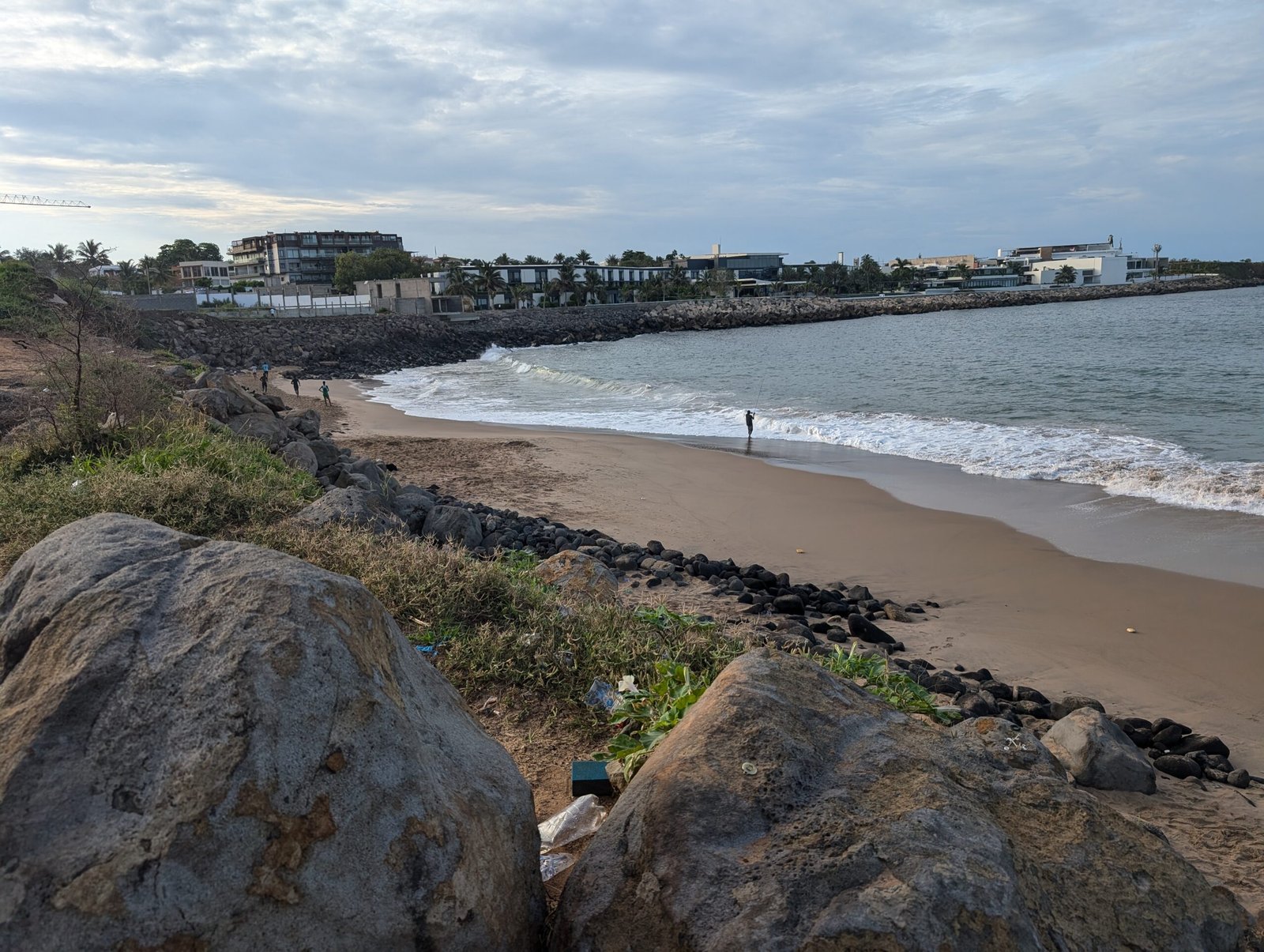
The featured image is a file photo of Dakar’s Mermoz district, taken in October 2024, not of Tuesday’s parliamentary vote.