







Uganda has begun withdrawing its troops from Somalia, bringing to a close the first stage of the end of a deployment that has lasted almost two decades.
The Uganda People’s Defence Forces (UPDF) said on Monday that it had started the drawdown of troops deployed under bilateral arrangements with Somalia’s federal government, with immediate effect. The first cohort of those troops had already returned home, the force’s spokesperson, Colonel Chris Magezi, said in a statement.
The bilateral withdrawal is only the opening phase. Uganda will gradually withdraw all of its forces from Somalia, including those serving under the African Union Support and Stabilization Mission in Somalia (AUSSOM), by the end of 2027, Magezi said.
Uganda has about 4,500 troops deployed under AUSSOM, according to state media cited by Reuters, although it is unclear how many additional forces are deployed under the separate bilateral arrangement. The UPDF did not give a detailed timetable for the AUSSOM contingent beyond the end-2027 date.
The withdrawal closes a long chapter. Uganda was the first African country to send troops to Somalia under the African Union Mission in Somalia (AMISOM), deploying its first contingent in March 2007 to support Somalia’s transitional government and fight al Shabaab. Its forces later served under AMISOM’s successor, the African Union Transition Mission in Somalia (ATMIS), and then under AUSSOM, which began operations in January 2025.
Al Shabaab, the al Qaeda-linked group at the centre of the deployment, has waged an insurgency against Somalia’s government for about two decades, seeking to seize power and impose its strict interpretation of Islamic law. It continues to carry out bombings and gun attacks against military and civilian targets.
The drawdown comes with a warning about what follows. In an October 31 letter to the UN Support Office in Somalia, verified by two diplomatic sources, AUSSOM warned that the withdrawal could leave parts of the Lower Shabelle region vulnerable to al Shabaab attacks. Ali Omar, Somalia’s state minister for foreign affairs, told Reuters: “Things are not dire now, but it could create problems if their troops suddenly pull out.”
The central question now is whether Somali forces can hold ground once one of the mission’s largest contributors has gone. The African Union presence has long been built around a transition to Somali-led security, and Uganda’s exit will test how far that handover has progressed in practice, particularly in Lower Shabelle and around Mogadishu.
Sources: Reuters, “Uganda says it has started withdrawing troops from Somalia” (https://www.reuters.com/world/africa/uganda-says-it-has-started-withdrawing-troops-somalia-2026-11-02/); SoftPower News, “UPDF Begin Withdrawal from Somalia after Two Decades of Peace and Stabilisation Support” (https://softpower.ug/updf-begin-withdrawal-from-somalia-after-two-decades-of-peace-and-stabilisation-support/).
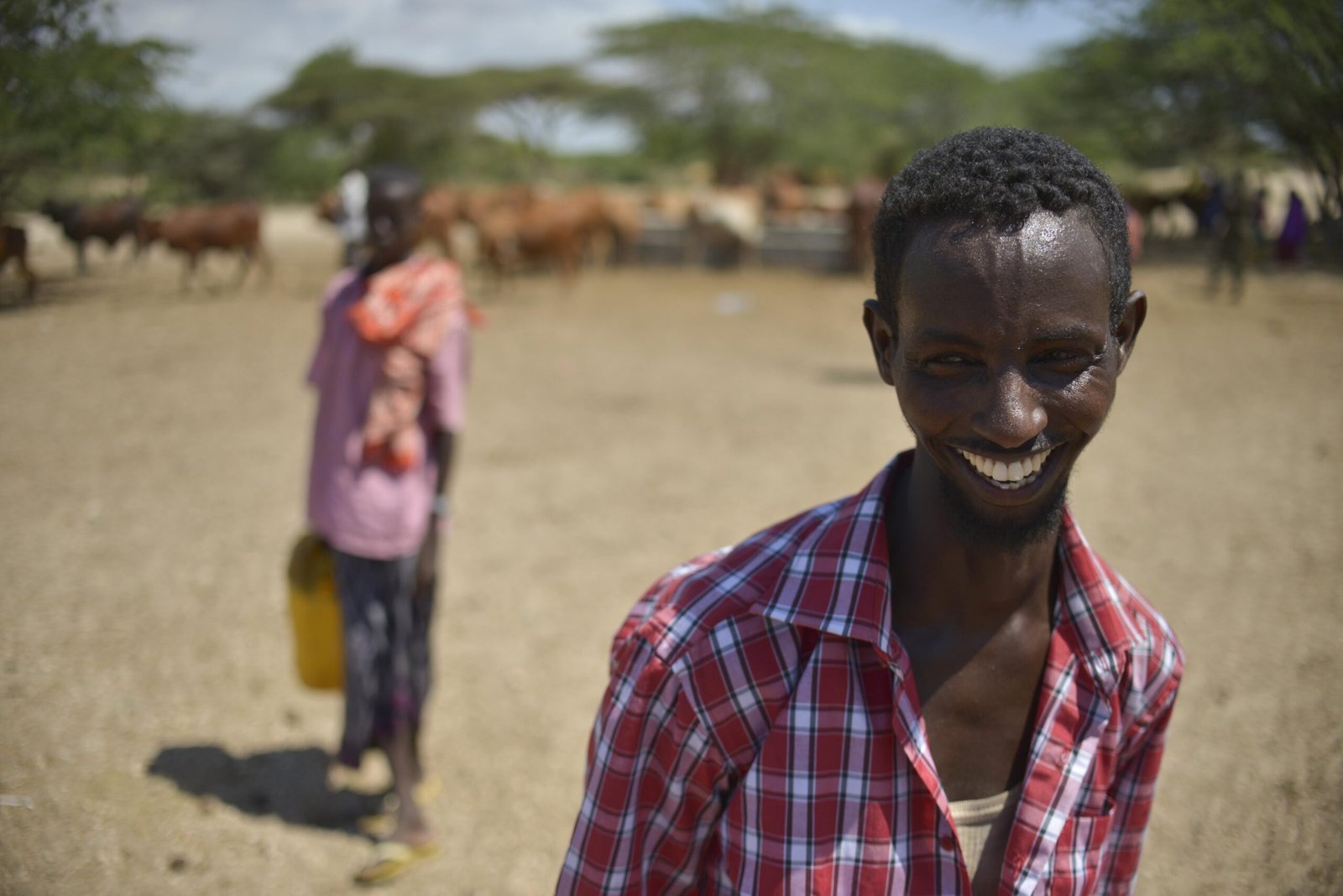
The featured image is a file photo of Ugandan troops in Lower Shabelle, Somalia, taken in January 2013, not of the current withdrawal.