









The United States economy grew faster than expected in the third quarter of 2026, expanding at an annual rate of 3.4 per cent, according to the advance estimate from the Bureau of Economic Analysis (BEA).
The figure marked a clear acceleration from growth of 2.2 per cent in the second quarter and came in above the 3.2 per cent pace economists polled by Reuters had forecast. It was the strongest quarterly showing in a year, and it arrived less than a week before voters head to the polls in the midterm elections on 3 November.
Consumer spending, which accounts for more than two-thirds of American economic output, rose at a 3.8 per cent pace for a second consecutive quarter. Households spent more on health care, food services and accommodation, and on goods including new cars, even as surveys showed consumer sentiment at record lows and affordability dominating the political debate.
Business investment provided the bigger surprise. Investment excluding housing jumped 12.7 per cent, with spending on equipment up 20.9 per cent and investment in information-processing equipment — the computers and hardware at the heart of the artificial intelligence build-out — surging 37.4 per cent. Software investment rose 9.6 per cent and research and development spending increased 7.5 per cent.
The BEA said inventories added 1.61 percentage points to growth, while government spending rose 5.3 per cent after falling 0.1 per cent in the second quarter. The drag came from trade: a wider deficit, driven in part by imports of chips and components for data centres, knocked 3.3 percentage points off growth.
Housing remained the weak spot. Residential investment fell 3.3 per cent, its sixth decline in seven quarters, as high mortgage rates continued to weigh on homebuilding and sales.
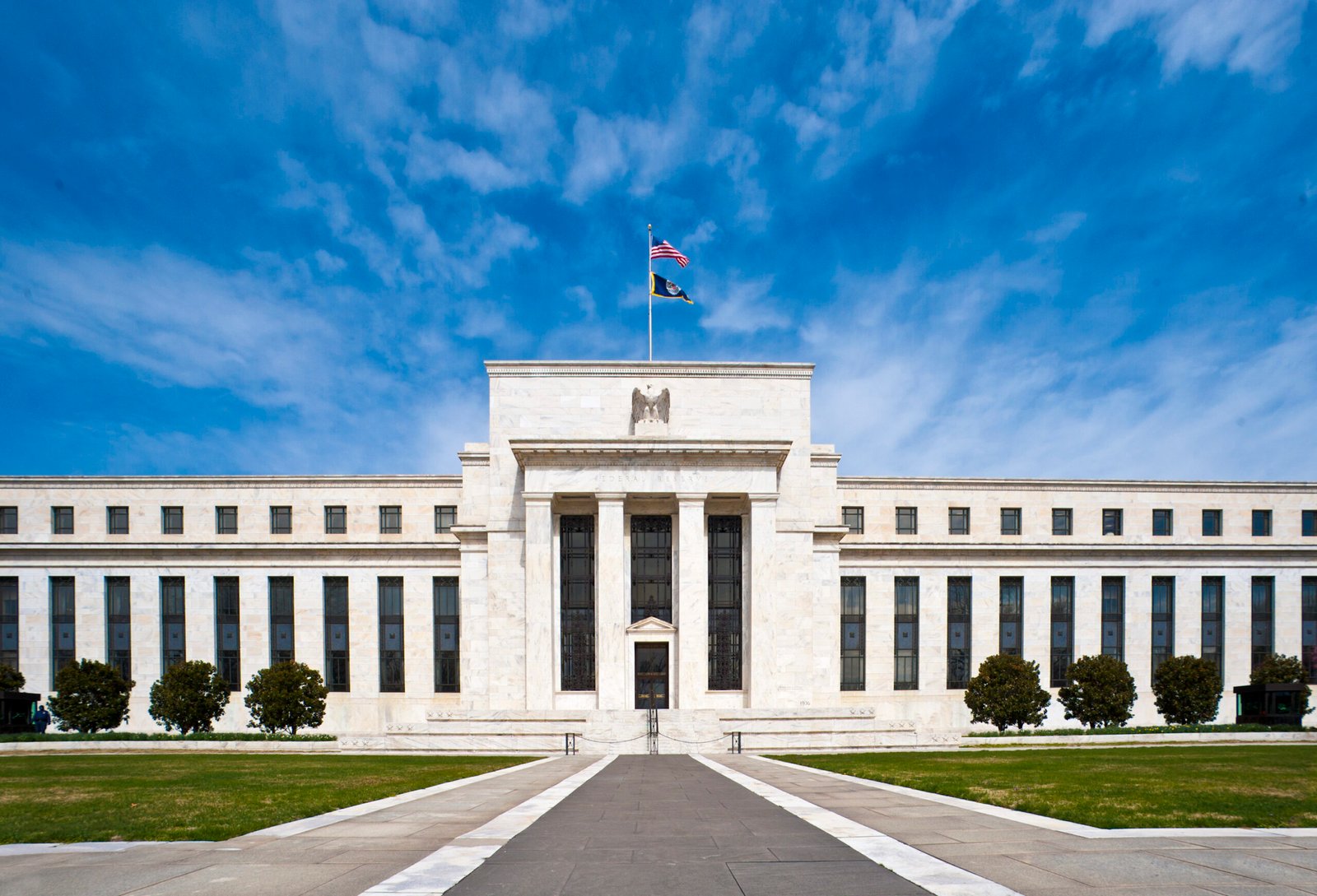
The report also showed inflation still running well above the Federal Reserve’s 2 per cent target, with the personal consumption expenditures price index up 3.6 per cent over the year to September. The Fed left its benchmark rate in the 3.75–4 per cent range at its October meeting, and some economists expect it to raise rates again in December.
Economists cautioned against reading too much into the headline figure. The advance estimate is the first of three and will be revised, and some analysts argue that the concentration of growth in AI-related spending — much of it debt-funded and dependent on imported components — may flatter the underlying health of the economy. What is not in doubt is the resilience of the American consumer, who kept spending even as higher oil prices, linked to the conflict in the Middle East, pushed up petrol costs.
Sources: Bureau of Economic Analysis, advance estimate of third-quarter 2026 GDP; Reuters via Business Day (https://www.businessday.co.za/world/americas/2026-10-29-us-economy-grows-34-as-consumers-keep-spending/); Associated Press via Transport Topics (https://www.ttnews.com/articles/gdp-q3-2026).