








Pakistan has issued a sharp new warning to Afghanistan’s Taliban government, declaring that terrorism is a red line and that the security of its citizens is non-negotiable.
In a statement on Saturday, Pakistan’s Ministry of Information and Broadcasting said Islamabad reserved the right under international law to take all necessary measures to protect its people from threats originating beyond its borders. It accused the Taliban leadership of shifting blame onto Pakistan instead of confronting what it called the central issue undermining relations: militant sanctuaries operating from Afghan territory.
The statement was a direct reply to remarks by Taliban spokesman Zabihullah Mujahid, who told Hurriyat Radio that Islamabad’s policies were obstructing a resolution of the dispute and that Pakistan lacked readiness for peaceful dialogue. Pakistan’s ministry rejected that argument, saying hollow assurances would neither resolve the crisis nor absolve the Taliban administration of its responsibilities, and warning that its resolve must never be mistaken for weakness.
Islamabad has long argued that militants who attack inside Pakistan plan and shelter across the border, and it has repeatedly demanded verifiable action against the banned Tehreek-e-Taliban Pakistan and other groups. In an earlier statement on 24 October, the ministry cited United Nations and United States assessments on militant groups operating in Afghanistan, including the Tehreek-e-Taliban Pakistan and the Balochistan Liberation Army, and called on the Taliban to take concrete action against them.
The warning comes against a backdrop of rising violence and border friction. On 27 October, Afghan security forces shelled border posts and residential areas in Angoor Adda, killing one resident and wounding five members of a single family, according to Dawn’s account of Pakistan’s reporting. Figures compiled by the Pakistan Institute for Conflict and Security Studies, cited by Geo, put militant attacks inside Pakistan at 225 in September 2026, the highest monthly tally in 12 years.
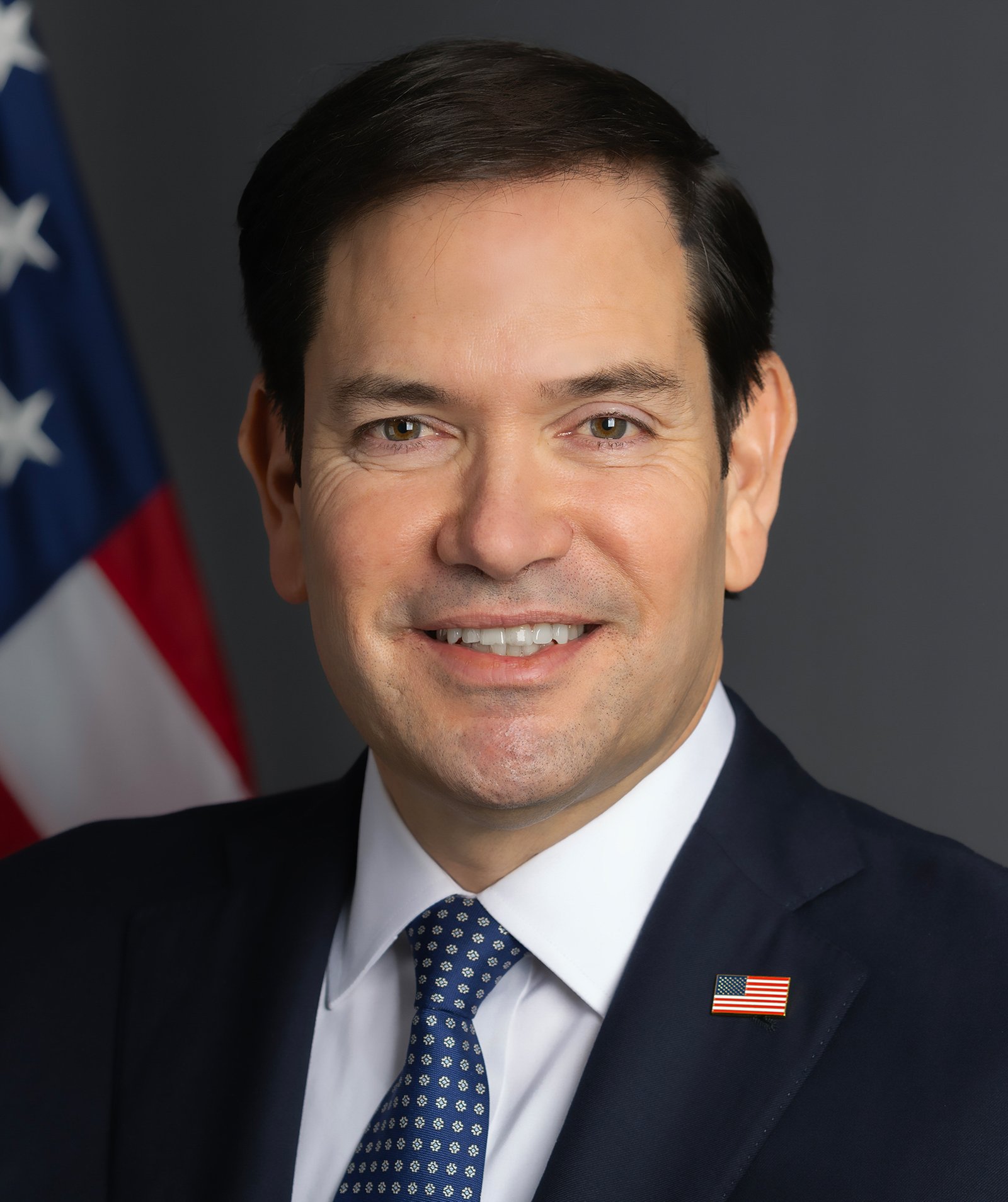
The United States has now publicly recognised Pakistan’s concerns. Speaking to reporters in Atlanta on Saturday after the G20 foreign ministers’ meeting, US Secretary of State Marco Rubio said Pakistan believed the Afghan Taliban were not doing enough to prevent attacks originating from their territory and had responded with action of its own. “Pakistan is concerned about terrorist attacks that are being sponsored from the territory of Afghanistan. They feel that the Taliban is not doing enough to constrain those attacks, and they’ve taken action against it,” he said. “We obviously have heard those concerns on their part. We obviously don’t want them to be targeted by terrorism,” he added.
The Taliban government has in the past rejected Pakistan’s charge, saying Afghanistan is not used as a base for attacks on neighbouring countries and that Pakistan should deal with its own security problems at home. Neither side offered new public evidence in the latest exchange, and no new schedule for talks was announced.
Note on sourcing: the Angoor Adda casualty account rests on Dawn’s reporting of Pakistan’s account, and the September attack tally rests on Pakistan Institute for Conflict and Security Studies figures as cited by Geo; neither has been independently verified in this report.
Sources: The News, “Taliban regime not doing enough to stop attacks on Pakistan from Afghan soil: Rubio”, 1 November 2026, https://www.thenews.pk/story/1446252-rubio-says-taliban-not-doing-enough-to-stop-attacks-on-pakistan-from-afghan-soil ; Dawn, as reported by QNC News, “Pakistan Warns Afghan Taliban That Terrorism Is a Red Line in Fresh Rebuke”, 1 November 2026, https://qncnews.com/2026/11/01/pakistan-warns-afghan-taliban-that-terrorism-is-a-red-line-in-fresh-rebuke/