







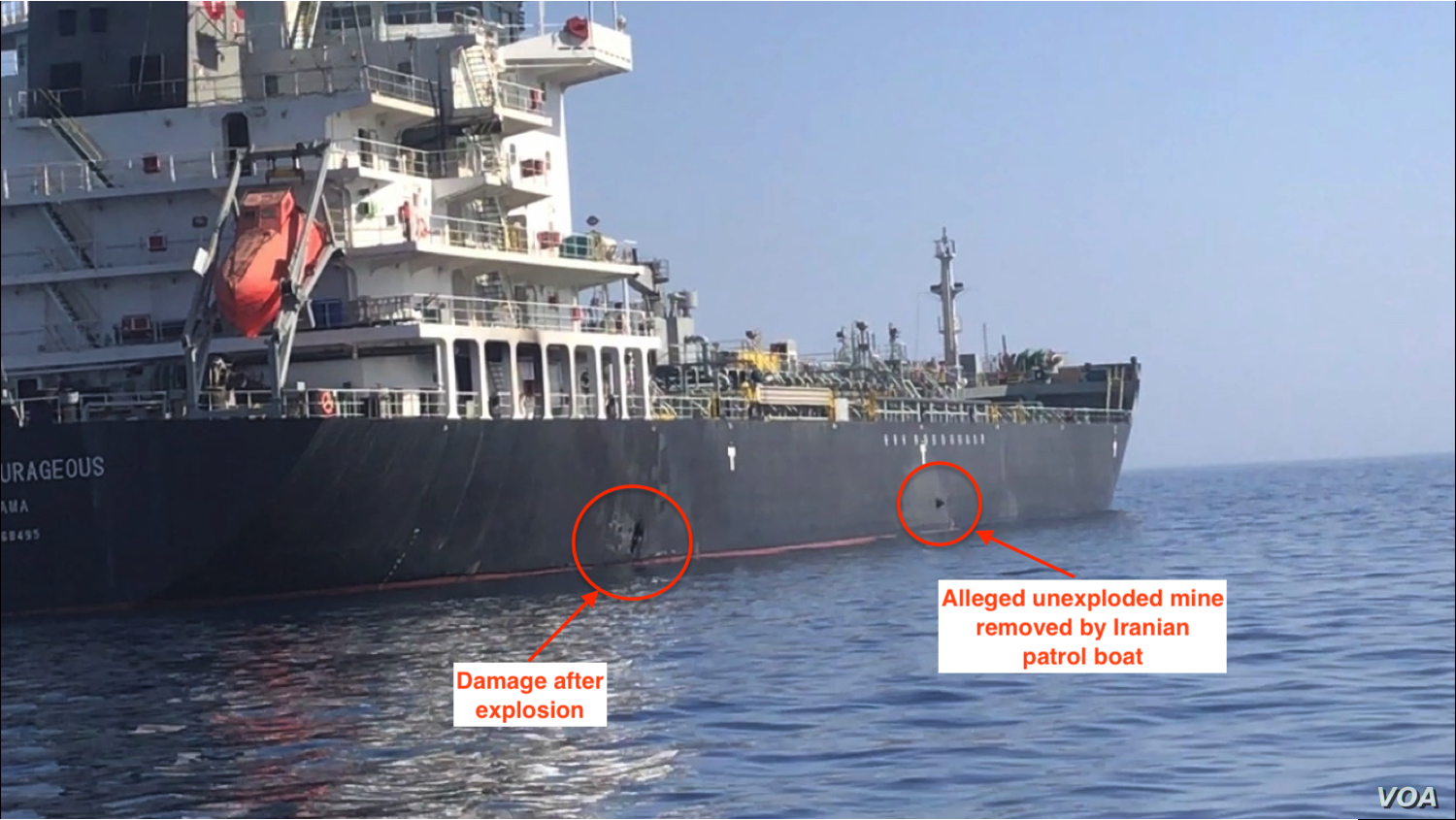
A small boat approached a tanker transiting the Strait of Hormuz on Thursday and fixed two limpet mines to its hull, setting off a fire in the engine room and leaving the vessel temporarily disabled, maritime sources said on Friday. It is the first known successful strike using such devices in the waterway since the war between the United States and Iran began in February.
The British navy-linked agency United Kingdom Maritime Trade Operations (UKMTO) said the crew was safe, there was no environmental damage, and the fire had been put out, with the vessel continuing to its next port of call. The incident took place about 25 nautical miles (46 kilometres) north-east of Khasab in Oman. UKMTO did not name the vessel.
Three maritime security sources identified the tanker to Reuters as the Panama-flagged Louise 1. The vessel’s Panama-based operator, listed in shipping databases as Aquarius Maritime Ventures, could not immediately be reached for comment.
The method of attack is what alarms shipping analysts. A small craft getting close enough to plant explosives on a moving tanker in one of the world’s busiest and most congested shipping lanes presents a significant security concern, according to Greece-based maritime risk group Marisks, which notes that limpet mines are cheap, low-tech and easily obtained.
It follows a failed attempt in September using similar devices that did not detonate. Commercial shipping in and around the strait has faced repeated attacks since February, as Iran has struck vessels it says breached its rules on passage through the waterway. The strait carries roughly a fifth of the world’s oil.
The Louise 1 has been attacked before. Ukrainian forces struck it with naval drones in the Black Sea in July, with Ukraine’s SBU security service saying it was carrying Russian oil and belonged to Moscow’s so-called shadow fleet of tankers.
Separately, Iran’s Revolutionary Guards Navy said on Friday that two oil tankers had been stopped in waters south of the strait after ignoring radio warnings and using what Tehran called an unauthorised route, and that it had destroyed a US unmanned vessel in the eastern strait. There was no immediate confirmation from the US military, and it remains unclear whether those claims relate to the Louise 1 incident.
Note on sourcing: who carried out the limpet-mine attack is not known, and the vessel’s identity rests on the assessments of three maritime security sources rather than an official naming by UKMTO. The Iranian claims described above have not been independently verified.
Sources: Reuters, “Tanker in Strait of Hormuz hit by limpet mines, security sources say”, https://www.reuters.com/world/tanker-strait-hormuz-hit-by-limpet-mines-security-sources-say-2026-10-30/ ; Reuters, “Iran’s IRGC navy says two tankers stopped south of Hormuz after incidents”, https://www.reuters.com/world/middle-east/irans-irgc-navy-says-two-tankers-stopped-south-hormuz-after-incidents-2026-10-30/